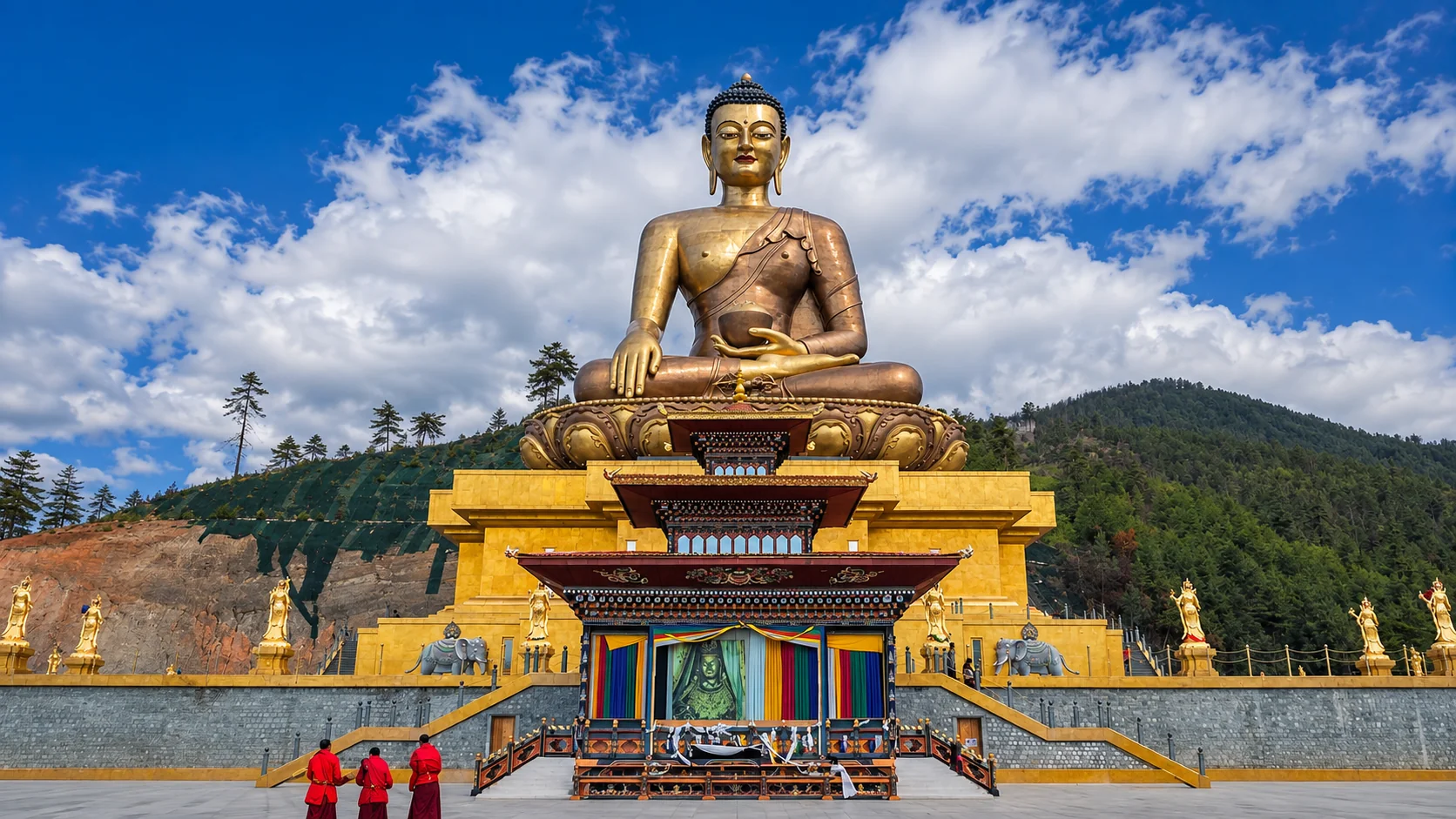
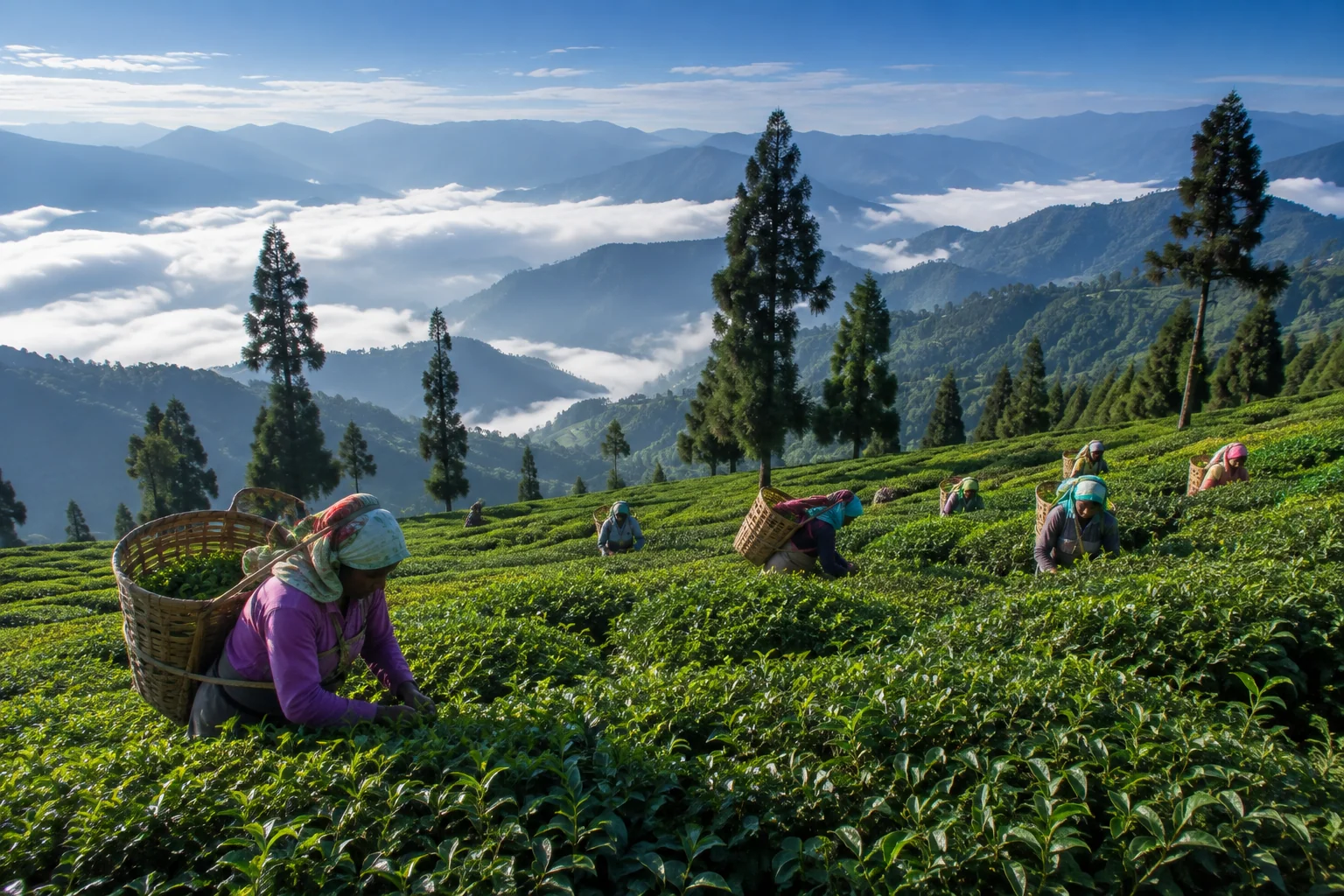
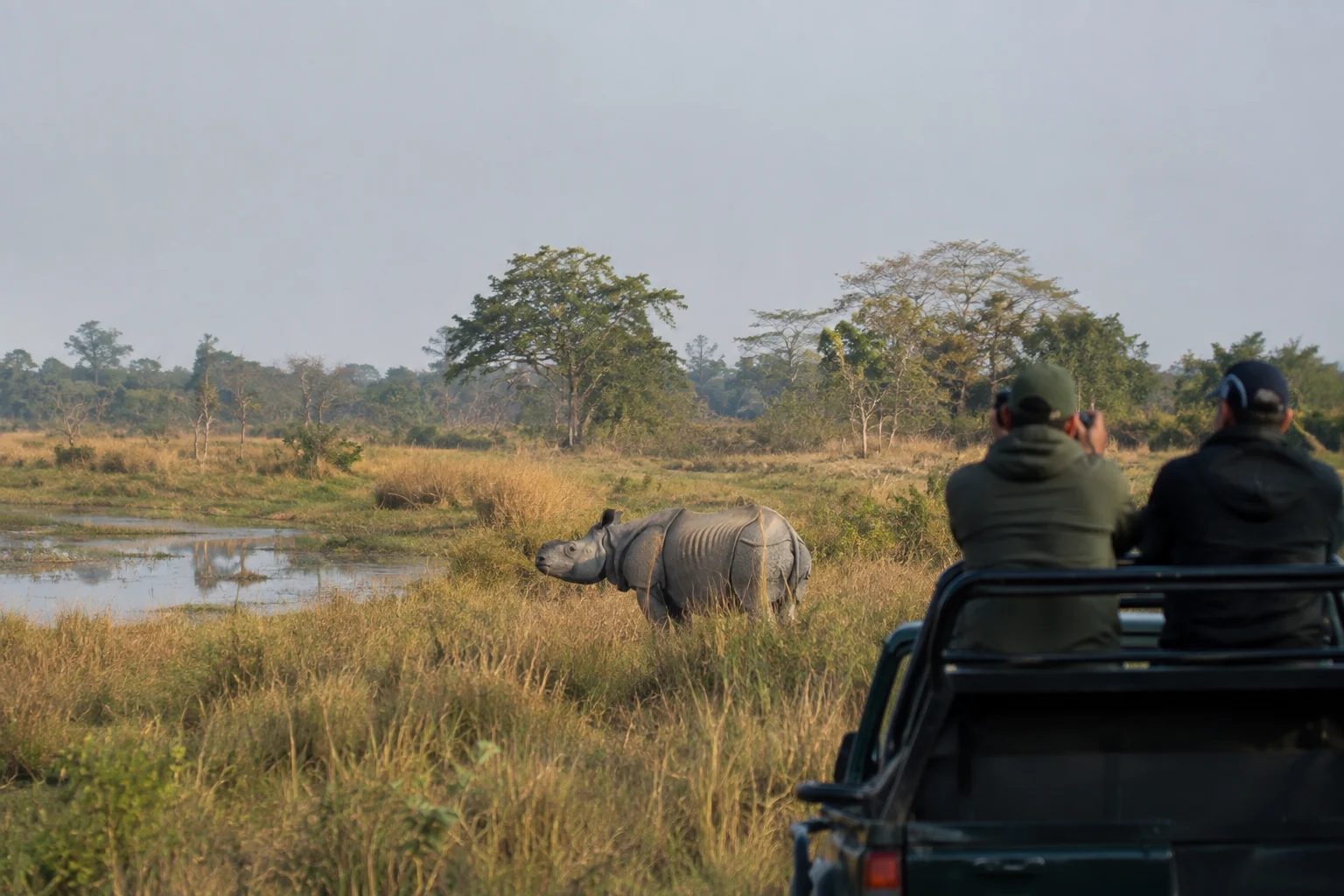
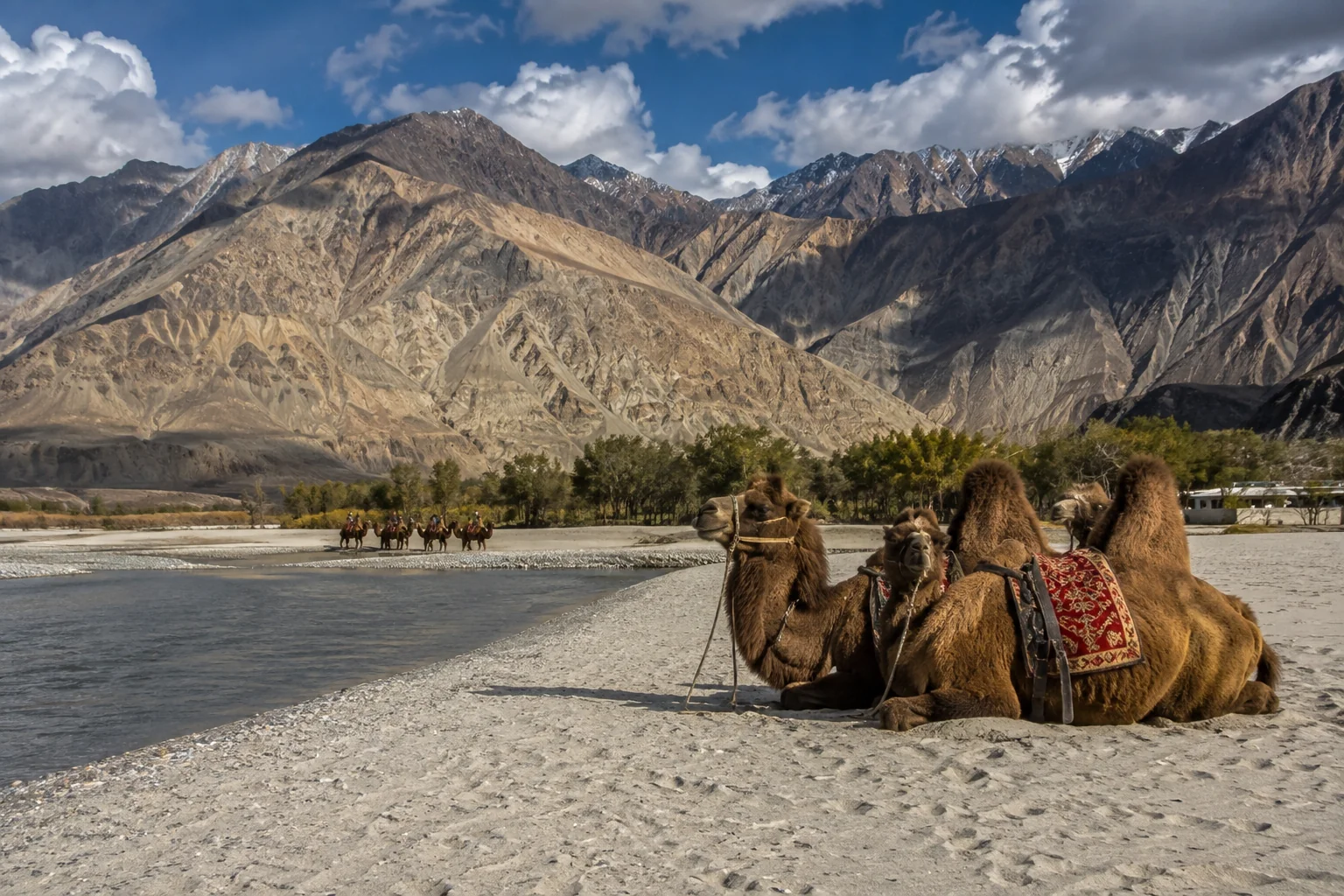
Sikkim looks compact on a map and is not. Gangtok to Lachen is seven hours, the road is rebuilt after every monsoon, and the places most people come for sit inside protected zones near the Chinese border.
Which means the trip is shaped by permits. Tsomgo, Nathula, Yumthang and Gurudongmar each require one, applied for in advance with original ID and photographs, and the applications have to come through a registered operator.
Why go to Sikkim
Kanchenjunga without walking
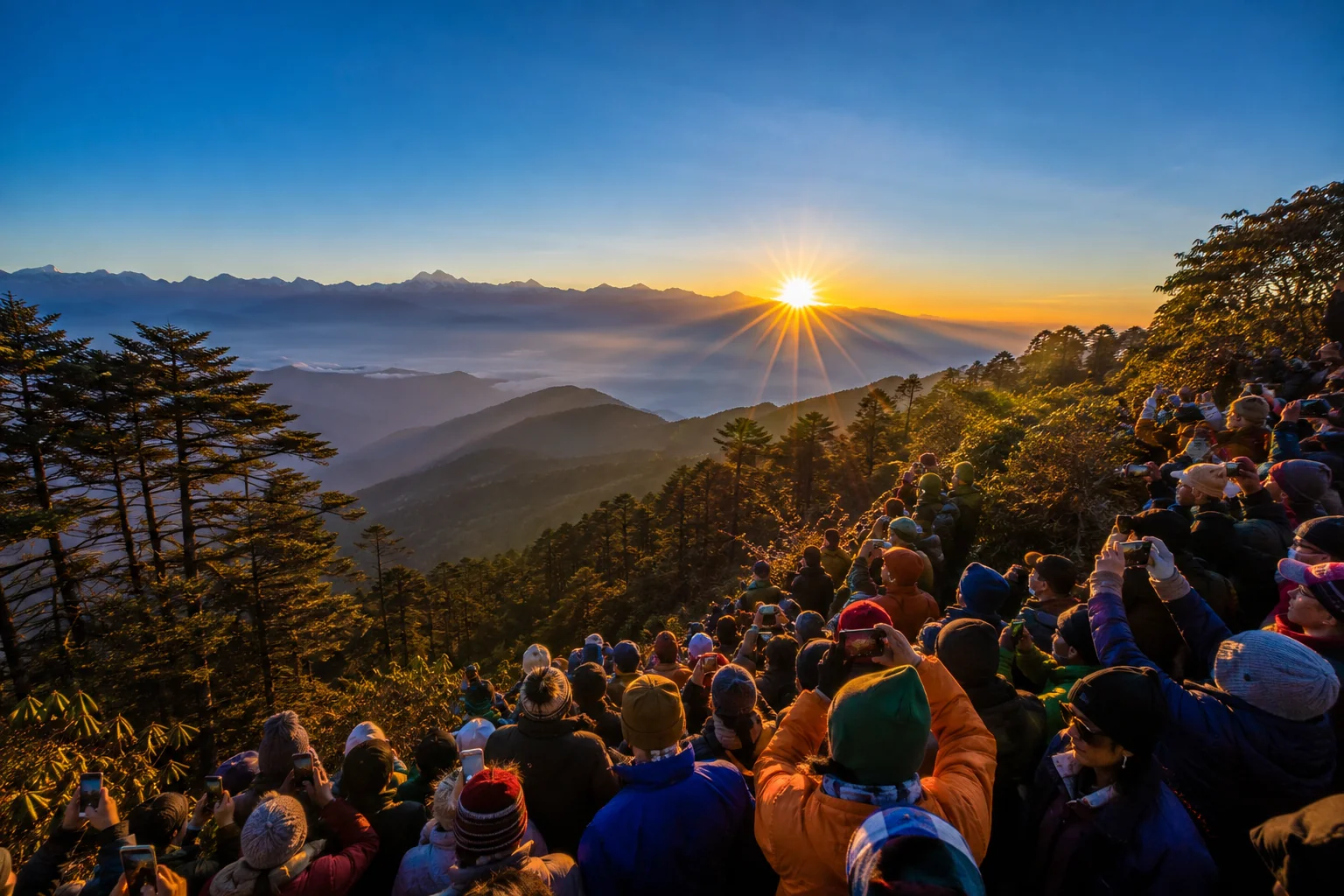
From Pelling the third-highest mountain on earth fills the window of most hotels at dawn. No trek required.
Genuine high altitude, reachable by road
Gurudongmar at 5,430m and Nathula at 4,310m are both drivable, which is unusual anywhere.
Clean and orderly
Sikkim was India's first fully organic state and it shows. MG Marg in Gangtok has no cars, no litter and no spitting, all enforced.
Short driving days in the east
The Gangtok, Tsomgo and Nathula circuit is gentle. It is only the north Sikkim run that demands stamina.
What people come for
-
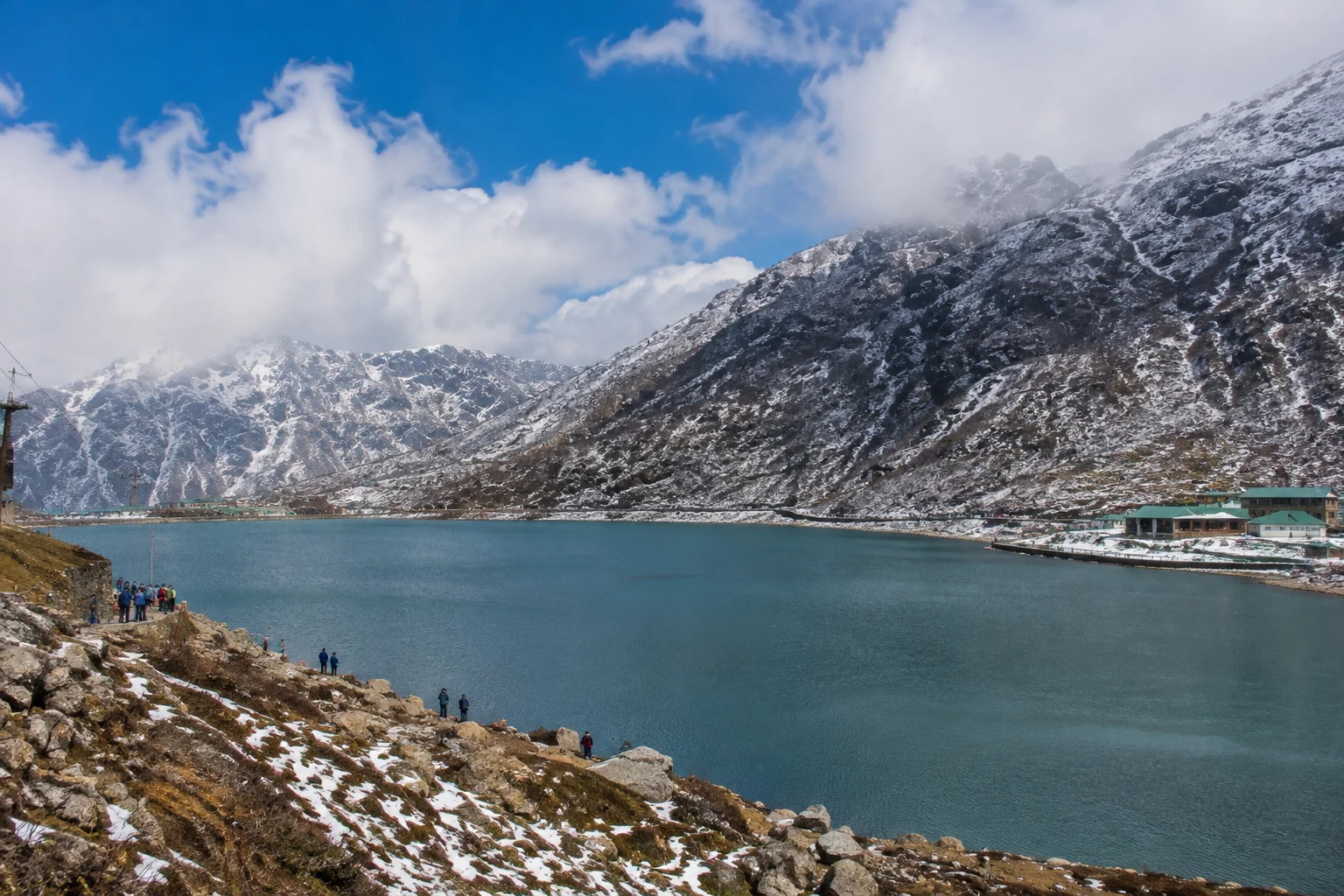
Tsomgo Lake
A glacial lake at 3,780m, frozen December to March, 40km from Gangtok.
-
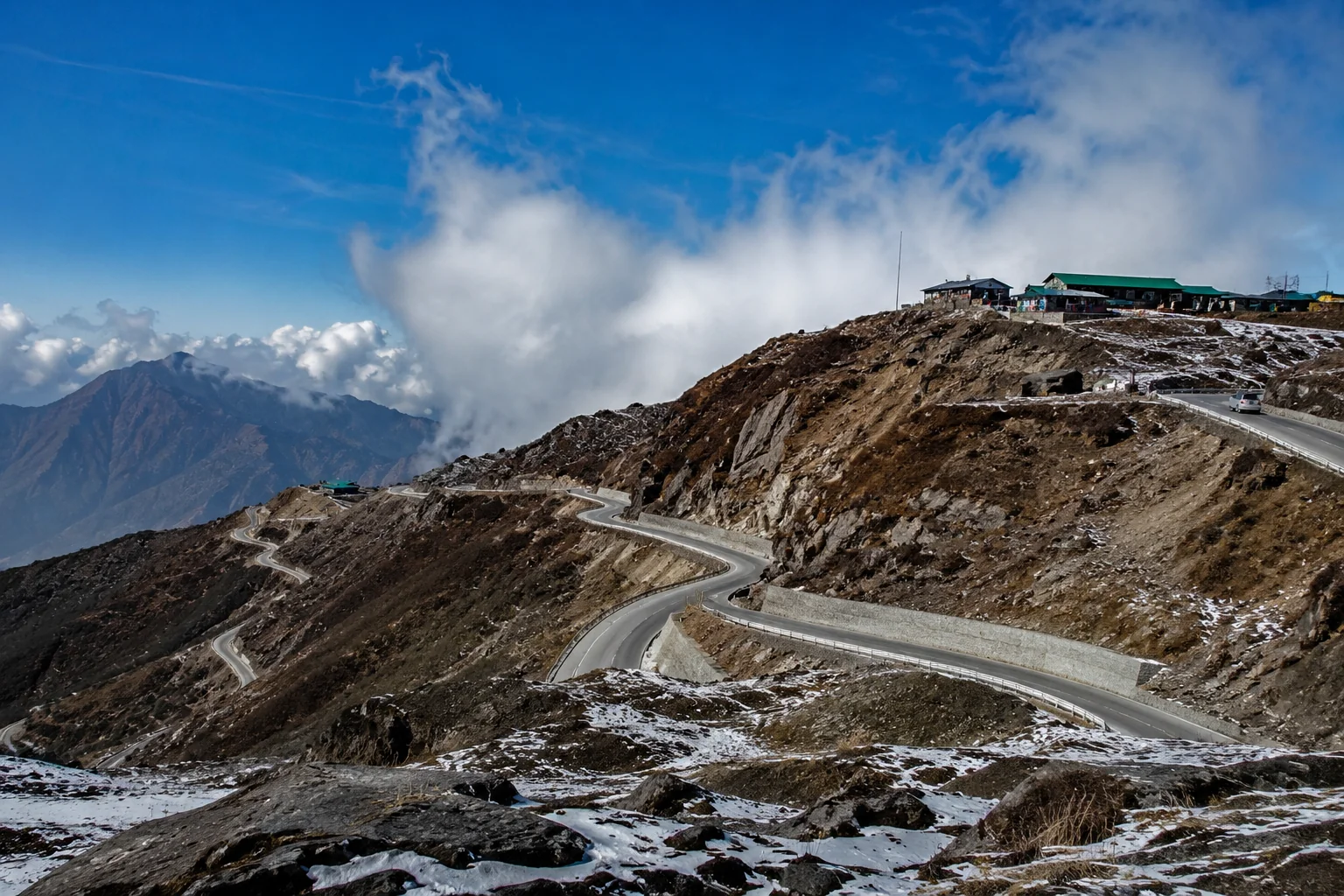
Nathula Pass
The Tibet border at 4,310m on the old Silk Route. Indian nationals only.
-
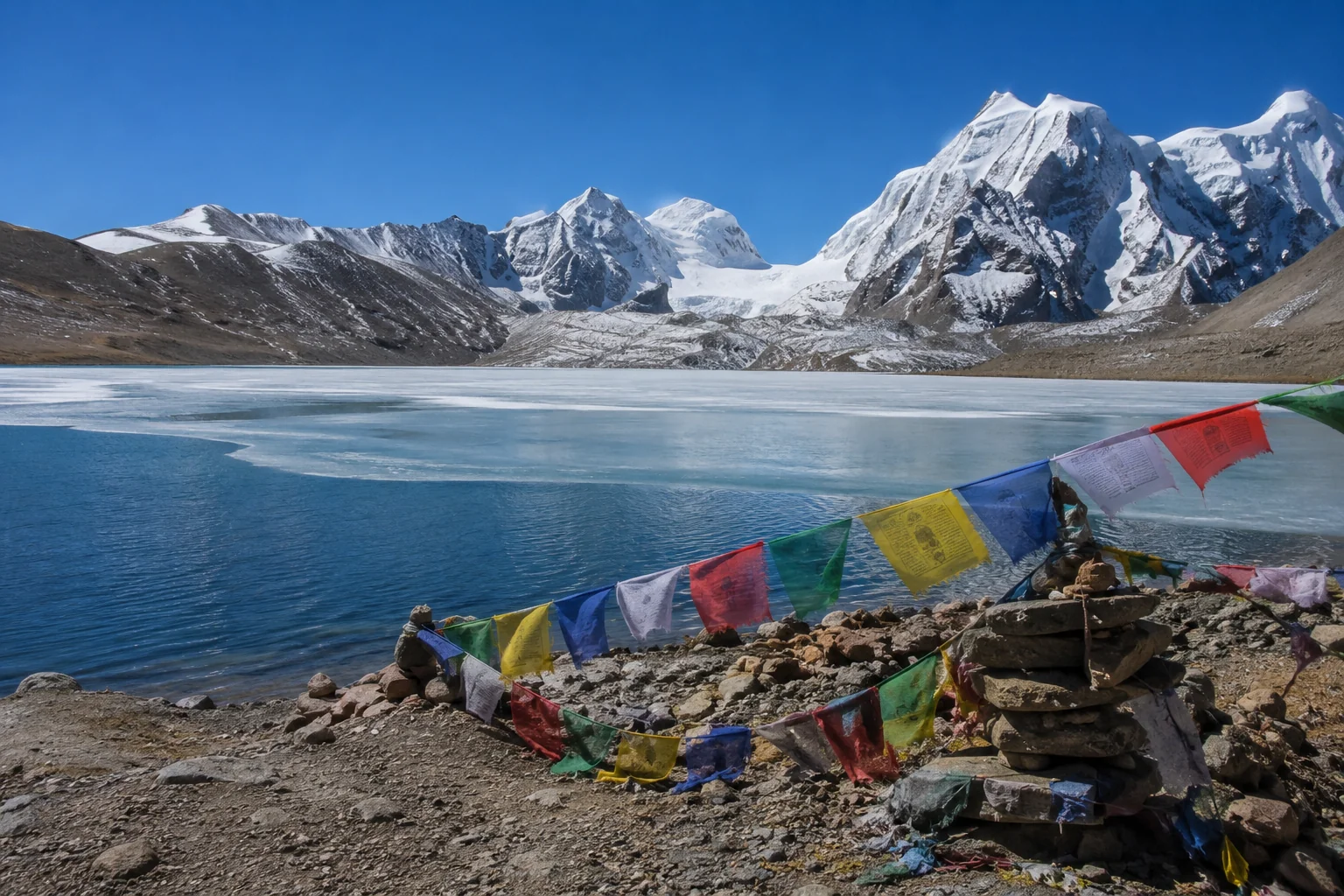
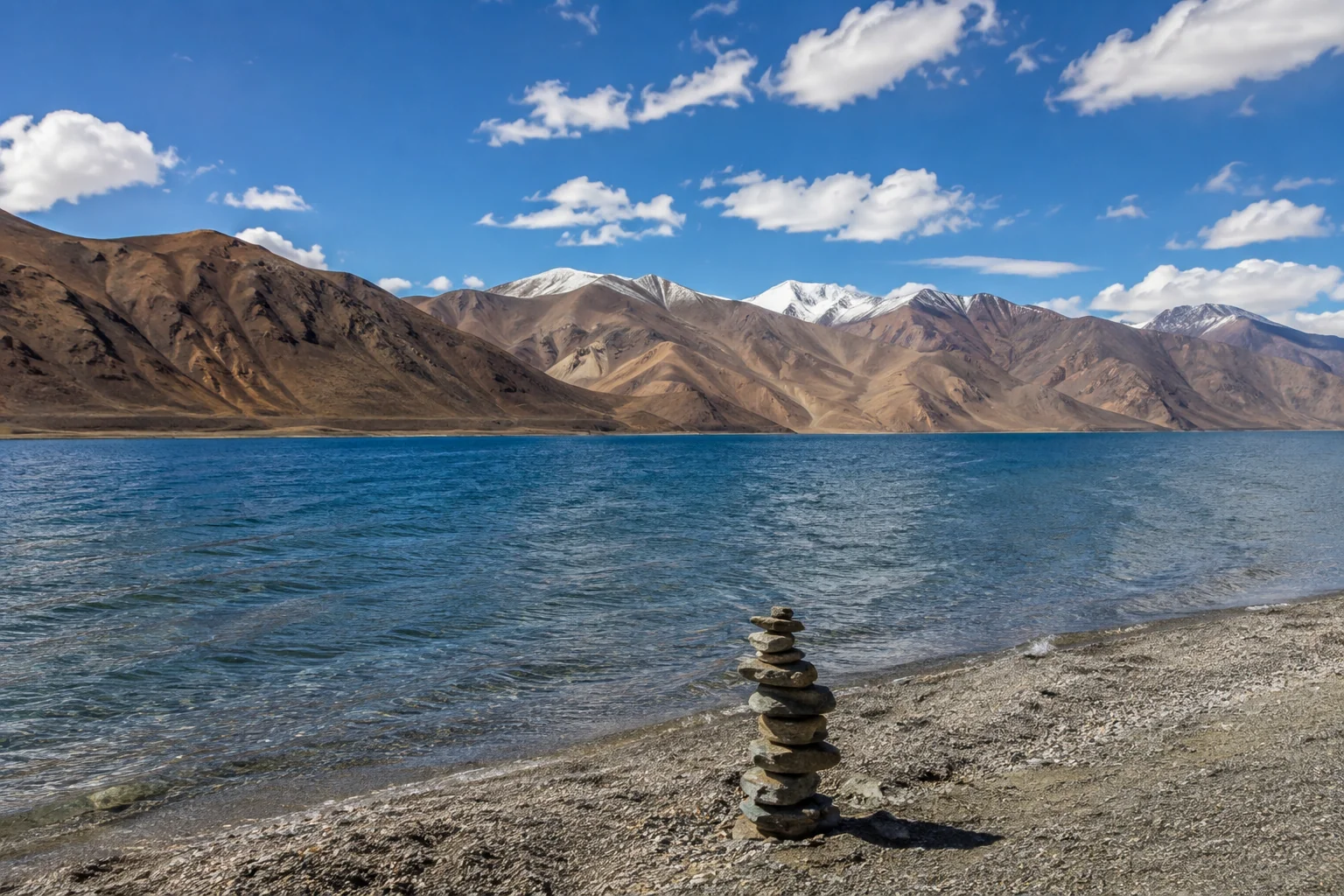
Gurudongmar Lake
One of the highest lakes in the world at 5,430m, near the Tibetan border.
-
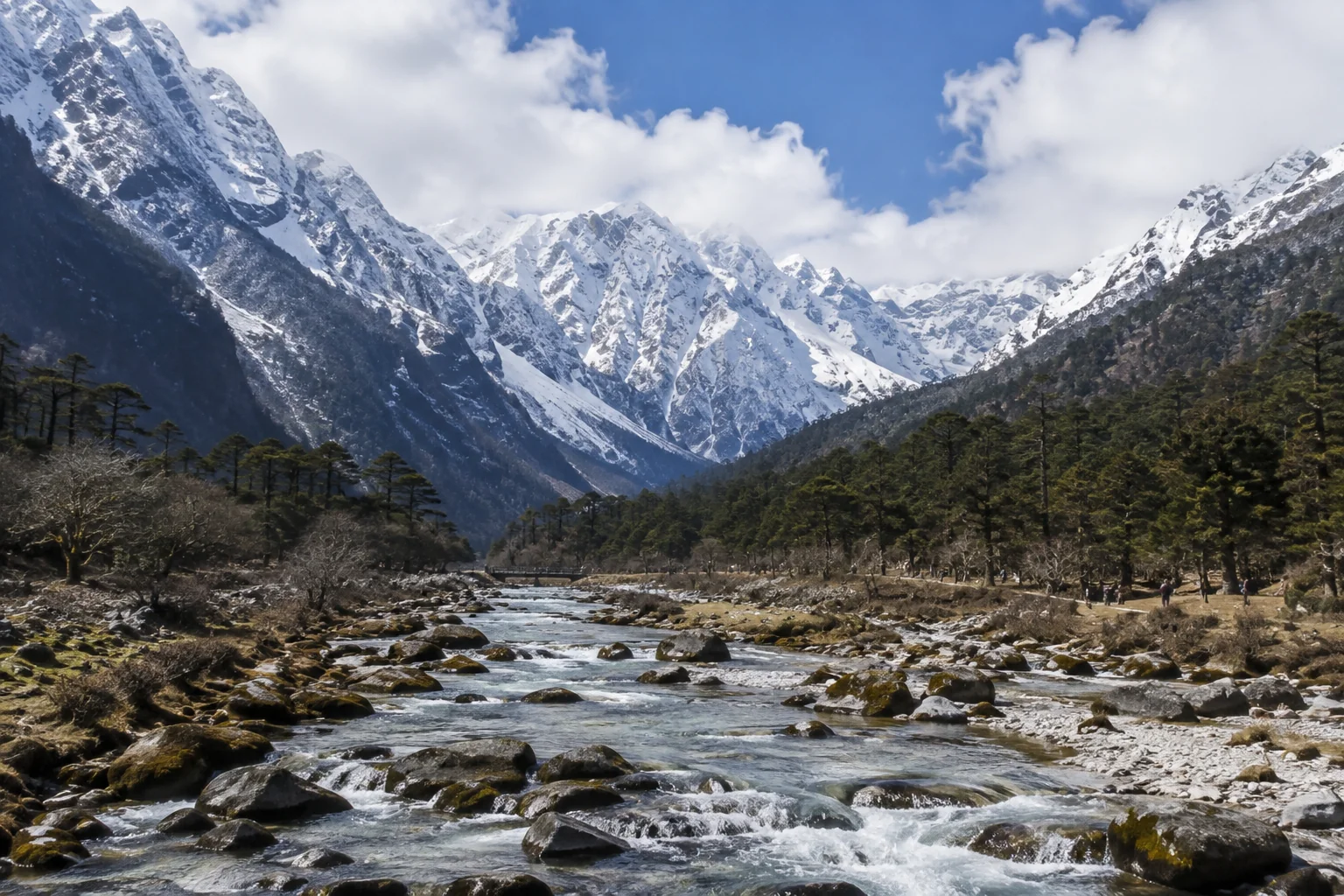
Yumthang Valley
The Valley of Flowers at 3,564m. Rhododendrons late April to June.
-
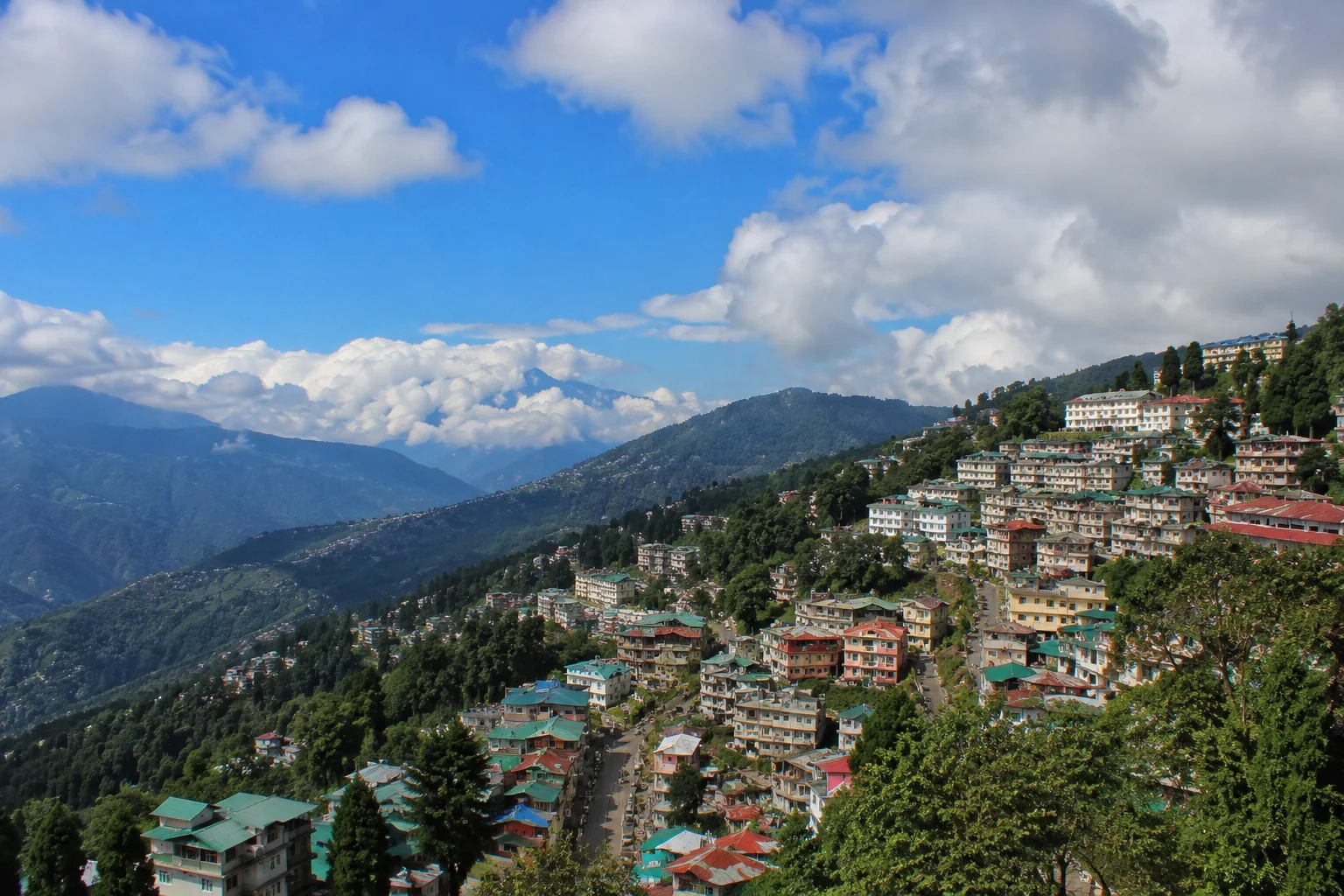
Gangtok
The hill capital at 1,650m, and where every permit is processed.
-
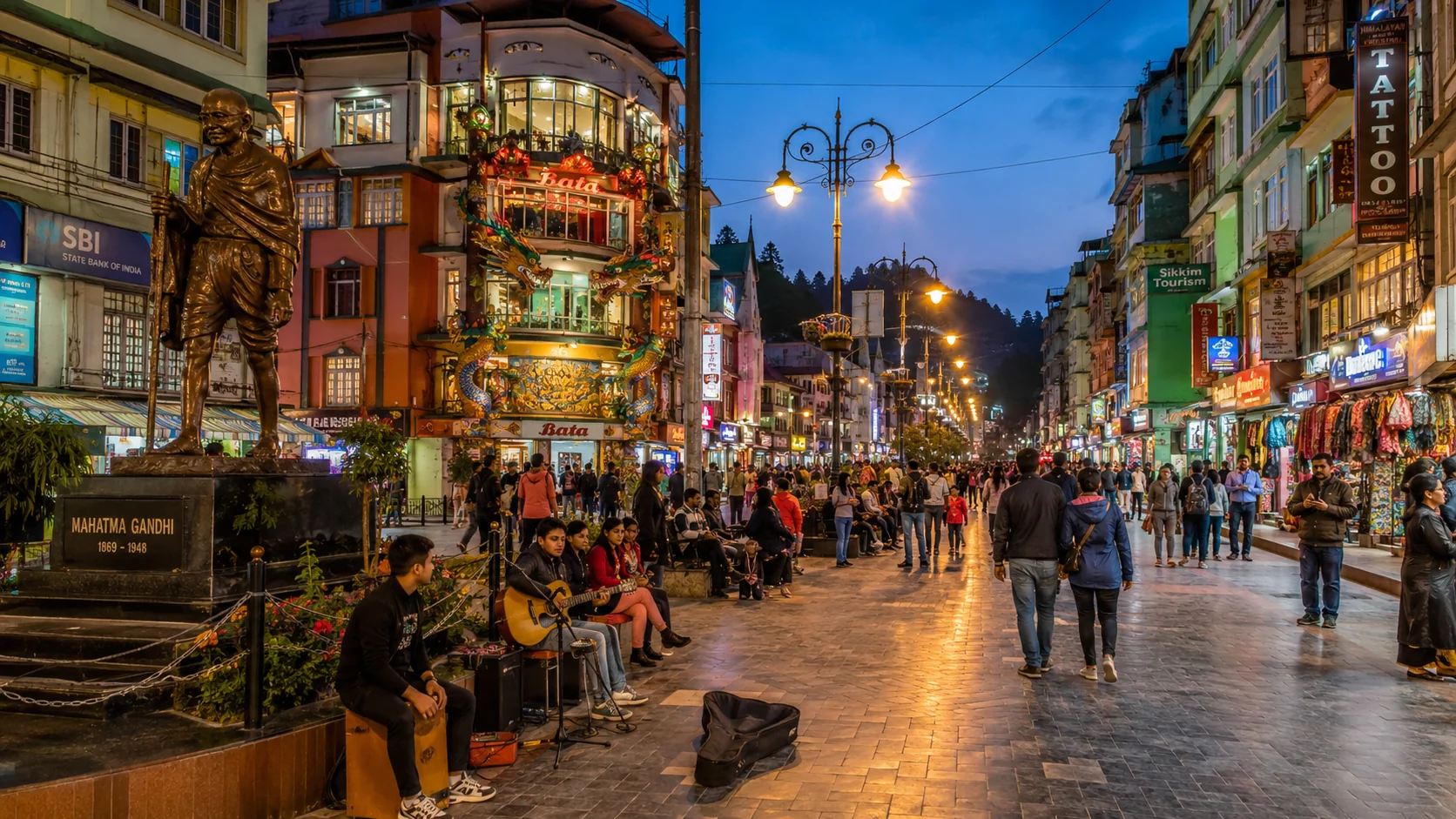
MG Marg
A car-free boulevard through the middle of Gangtok, best after five.
Full guide: the best places to visit in Sikkim →
Before you book
How long you need
Four nights covers Gangtok, Tsomgo, Nathula and a day in the south or west. North Sikkim for Yumthang and Gurudongmar needs three more nights, because Lachen and Lachung are both compulsory overnight stops.
Who it suits
The east Sikkim circuit suits families and first-timers. North Sikkim, with a 2,600m altitude gain in one morning to Gurudongmar, does not suit young children, older travellers or anyone with heart or lung conditions.
What to watch for
Nathula is closed to tourists on Mondays and Tuesdays. Foreign nationals cannot visit Nathula or Gurudongmar at all. Monsoon landslides regularly cut the north Sikkim road for days.
Sikkim — Gangtok, Tsomgo & Nathula
Gangtok, Tsomgo Lake and the Nathula road, with Pelling and the Kanchenjunga view if you have the days. Protected-area permits arranged, gentle altitude gain and short driving days.
From₹16,499
See the full itineraryBest time to visit Sikkim
| When | What it is like | Verdict |
|---|---|---|
| March – May | Rhododendrons in Yumthang from late April. Roads open. Clear most mornings. | Best overall |
| June – September | Monsoon. Landslides close the north Sikkim road repeatedly. Views gone. | Avoid |
| October – December | The clearest skies and the most reliable Kanchenjunga views of the year. | Best for views |
| January – February | Deep snow at Tsomgo and Yumthang. Nathula and Gurudongmar close without warning. | Snow, with risk |
Getting to Sikkim
By air. Bagdogra near Siliguri is the reliable option, about 4.5 hours by road to Gangtok. Pakyong, 30km from Gangtok, has limited and weather-dependent services.
By rail. New Jalpaiguri is the nearest major railhead, roughly 4 hours from Gangtok, with shared and private vehicles running all morning.
Permits and entry rules
Indian nationals need no permit for Gangtok, Pelling or Ravangla, but do need a protected area permit for Tsomgo Lake, Nathula Pass and all of north Sikkim including Yumthang and Gurudongmar. Applications go through a registered operator with ID copies and photographs, at least a day ahead. Foreign nationals need an Inner Line Permit simply to enter Sikkim, plus separate clearance for protected areas, and are barred from Nathula and Gurudongmar entirely.