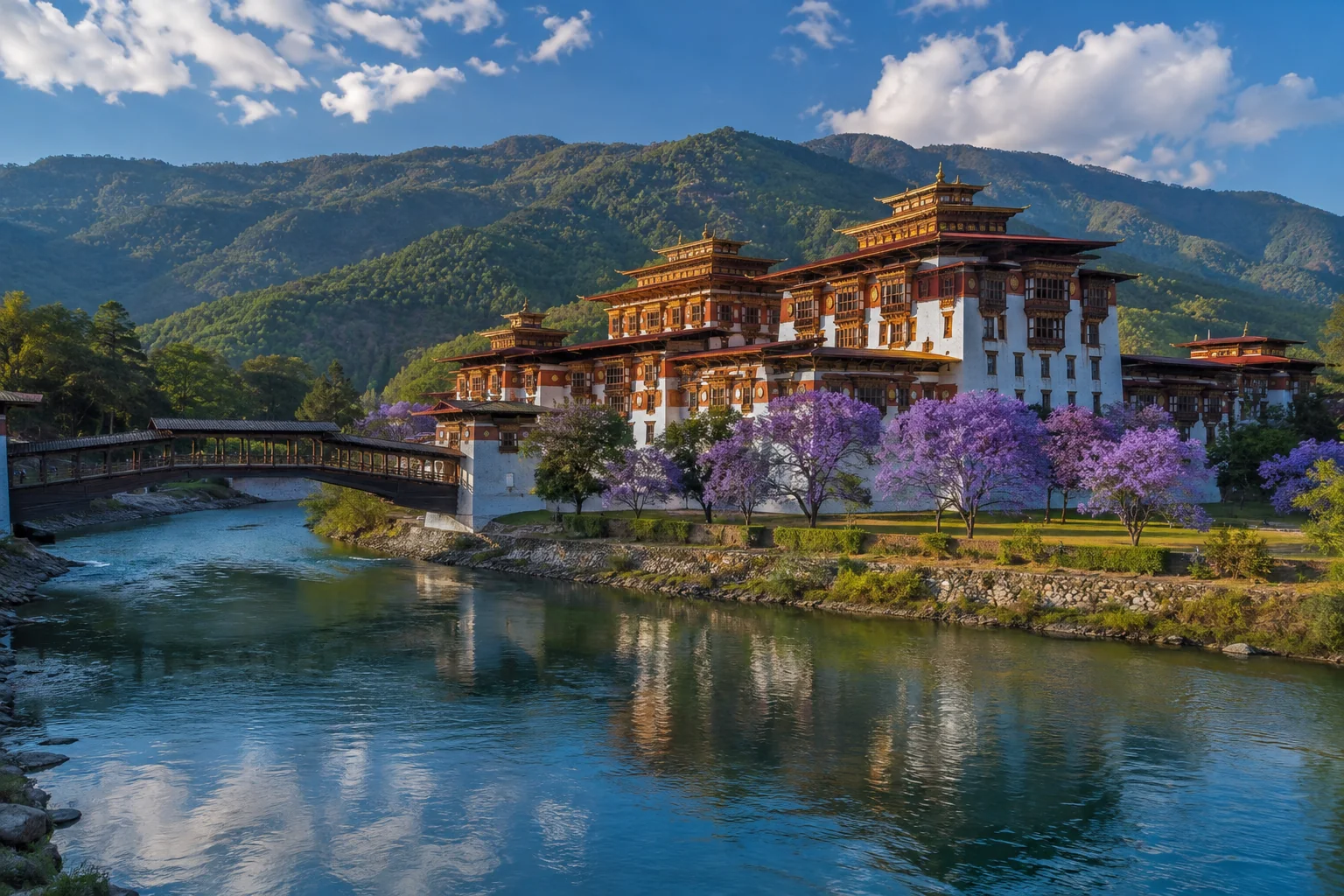
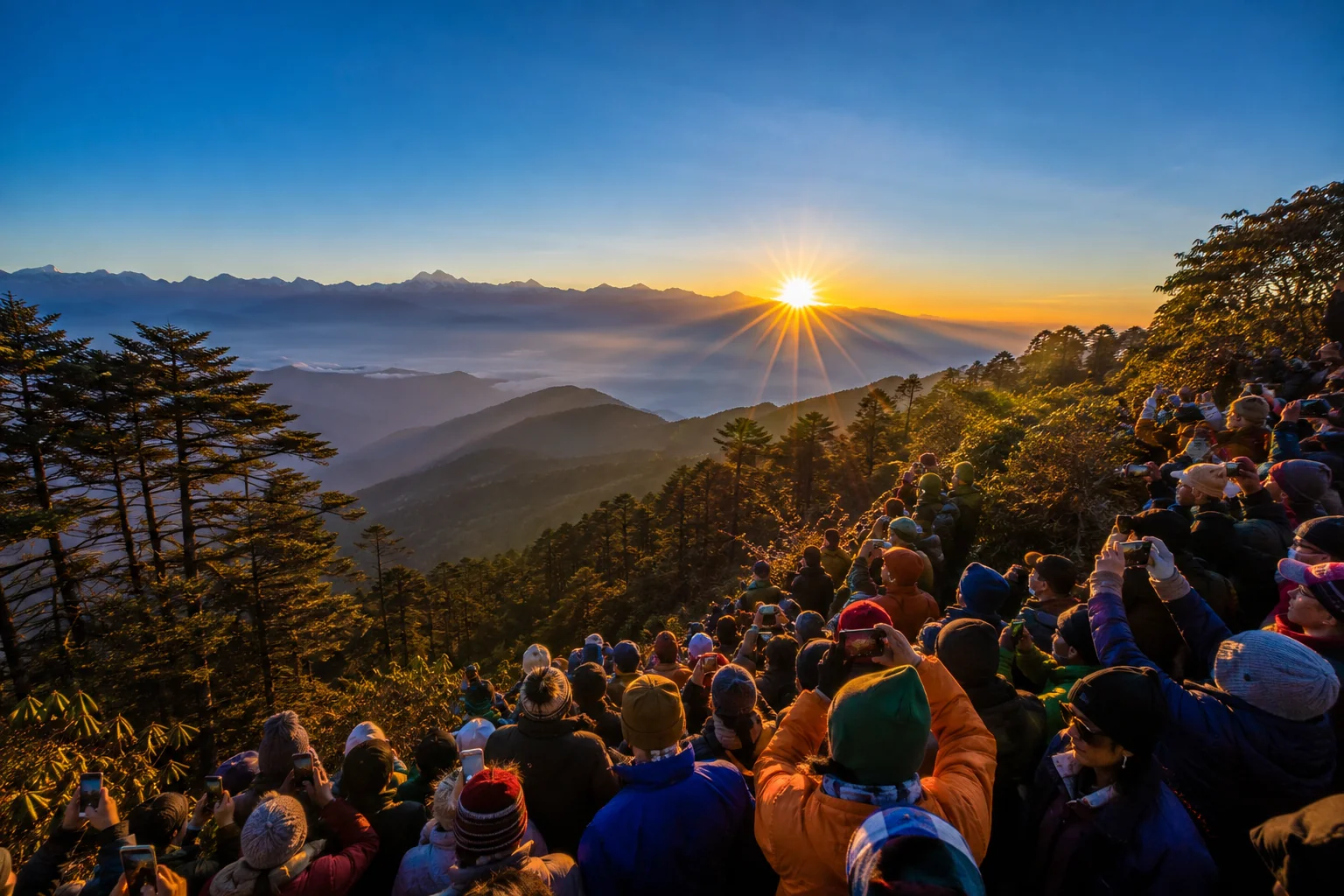
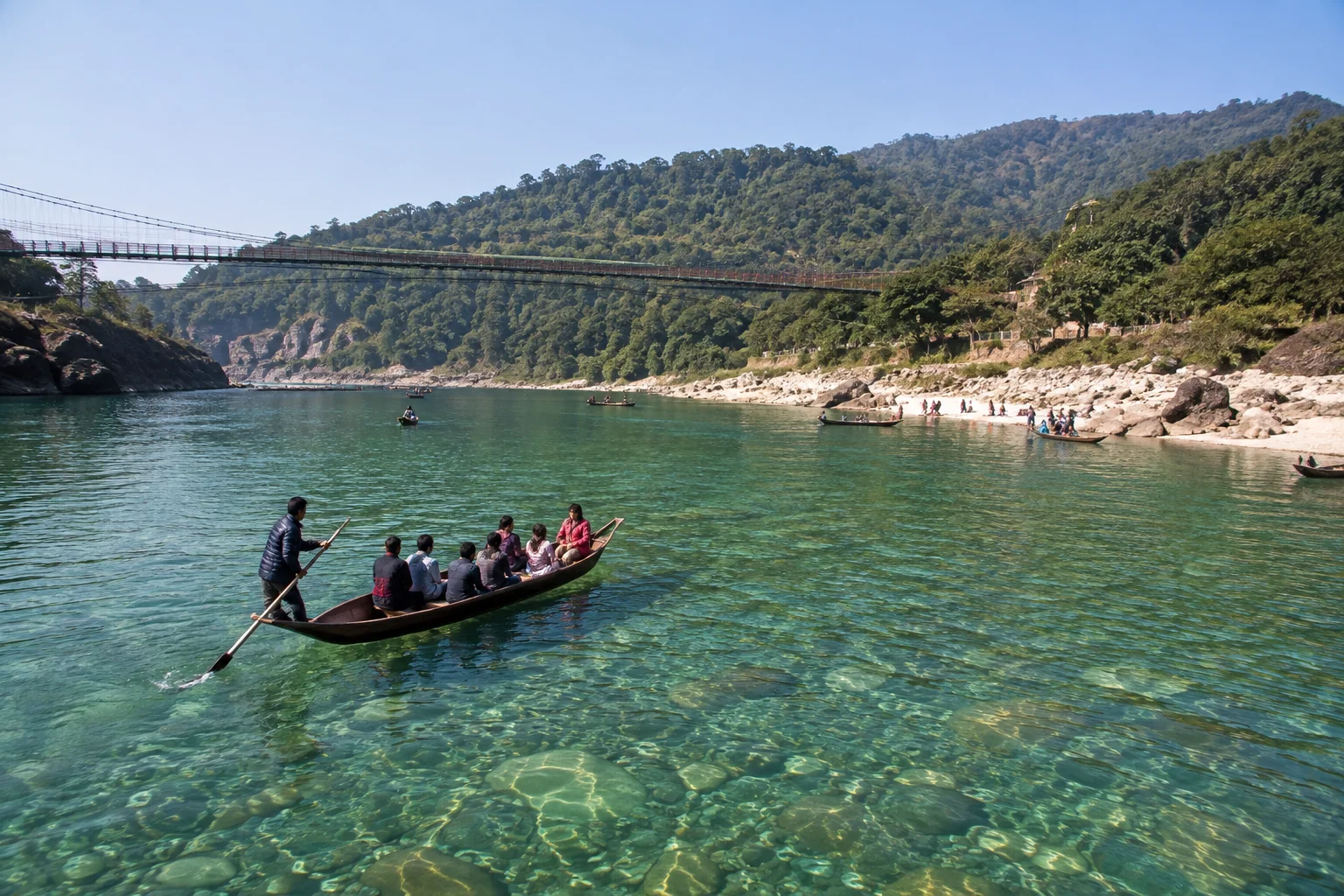

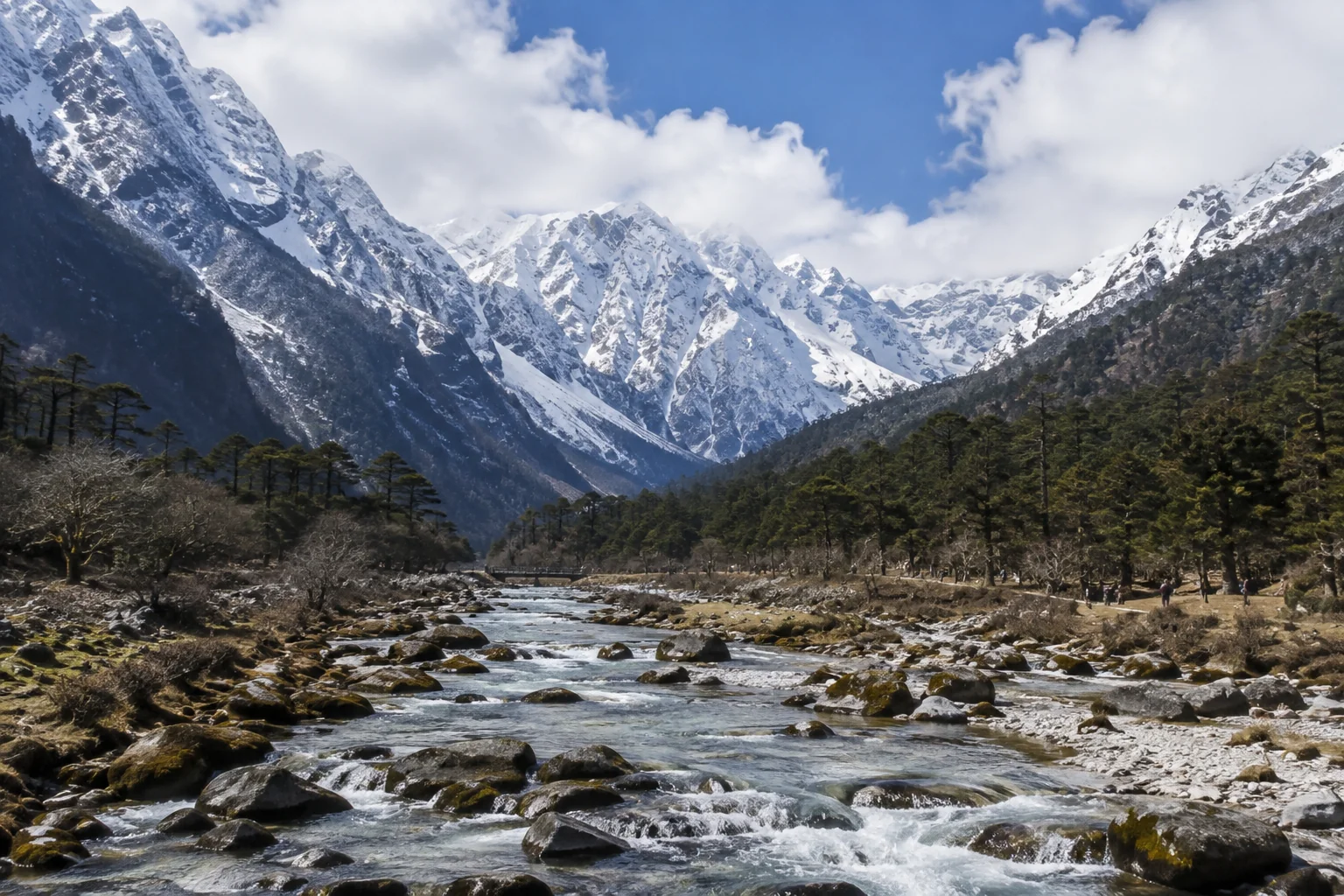
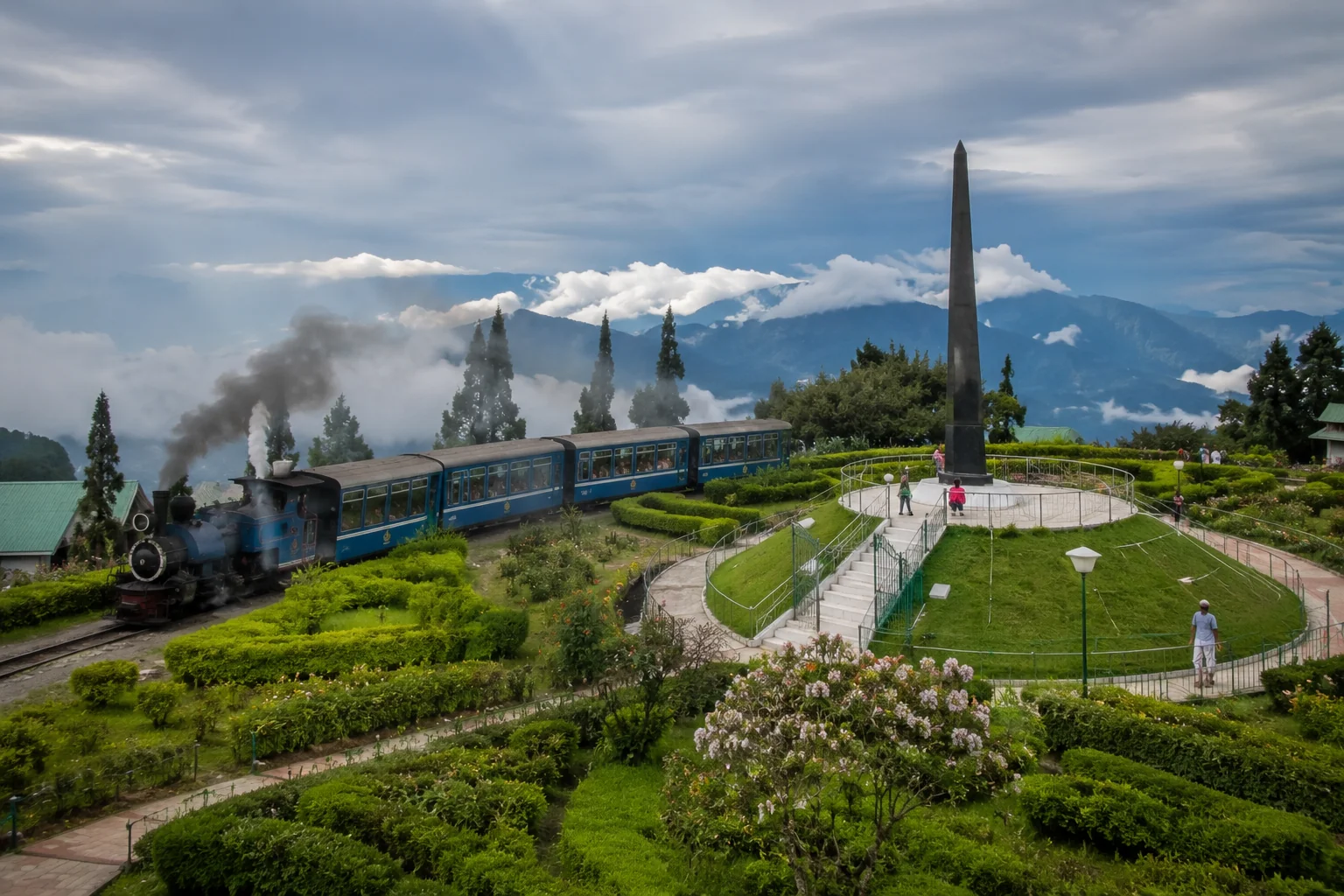
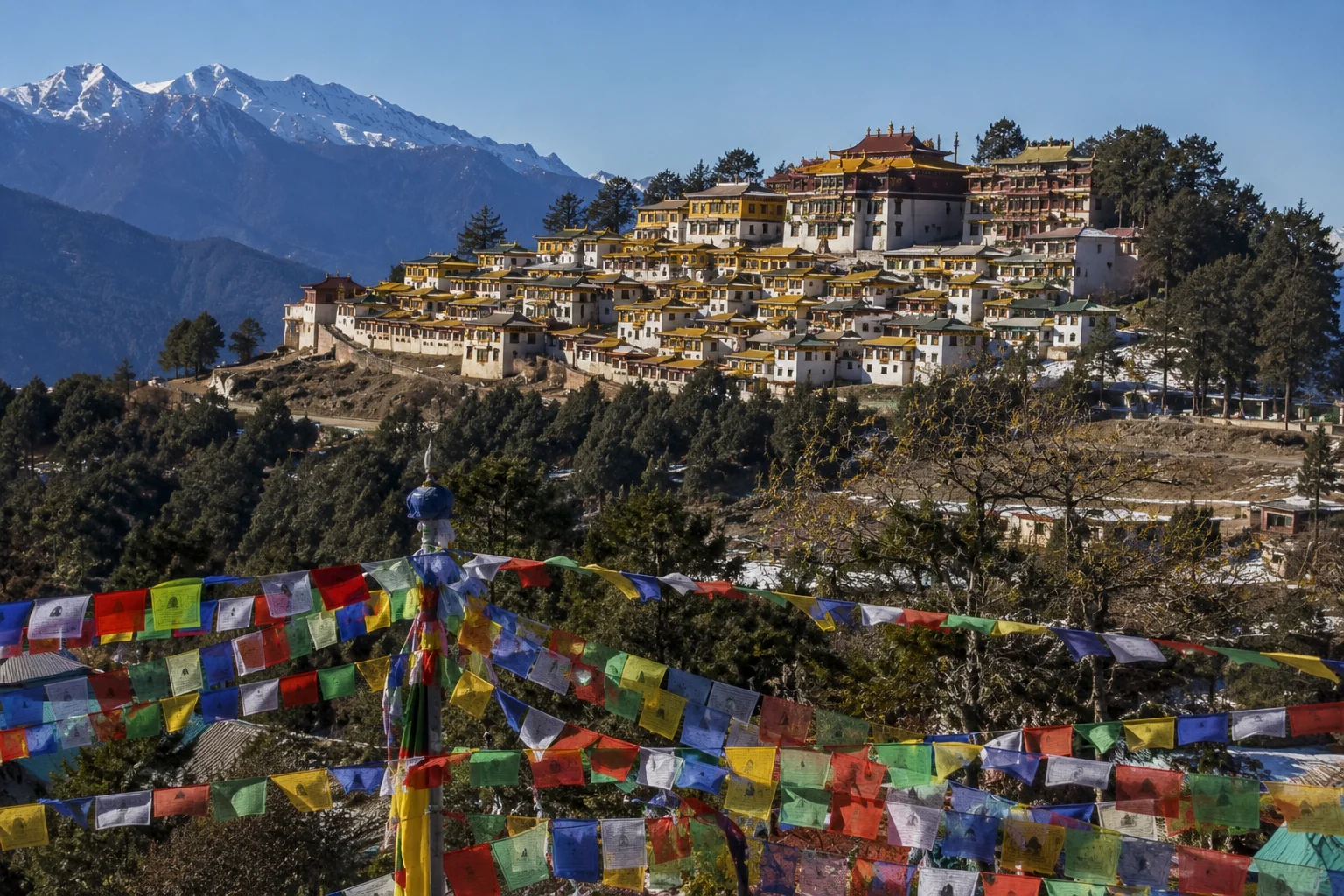
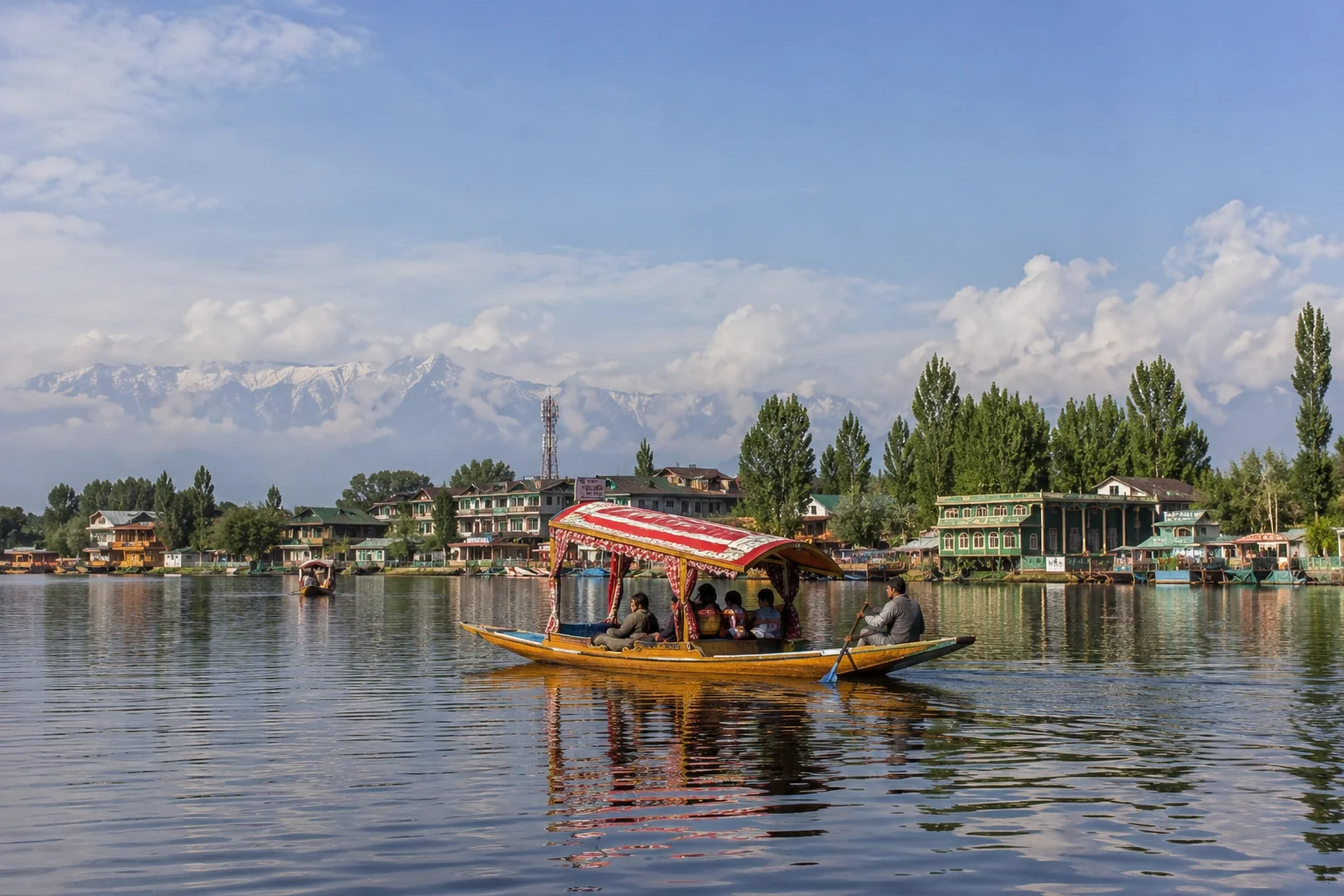

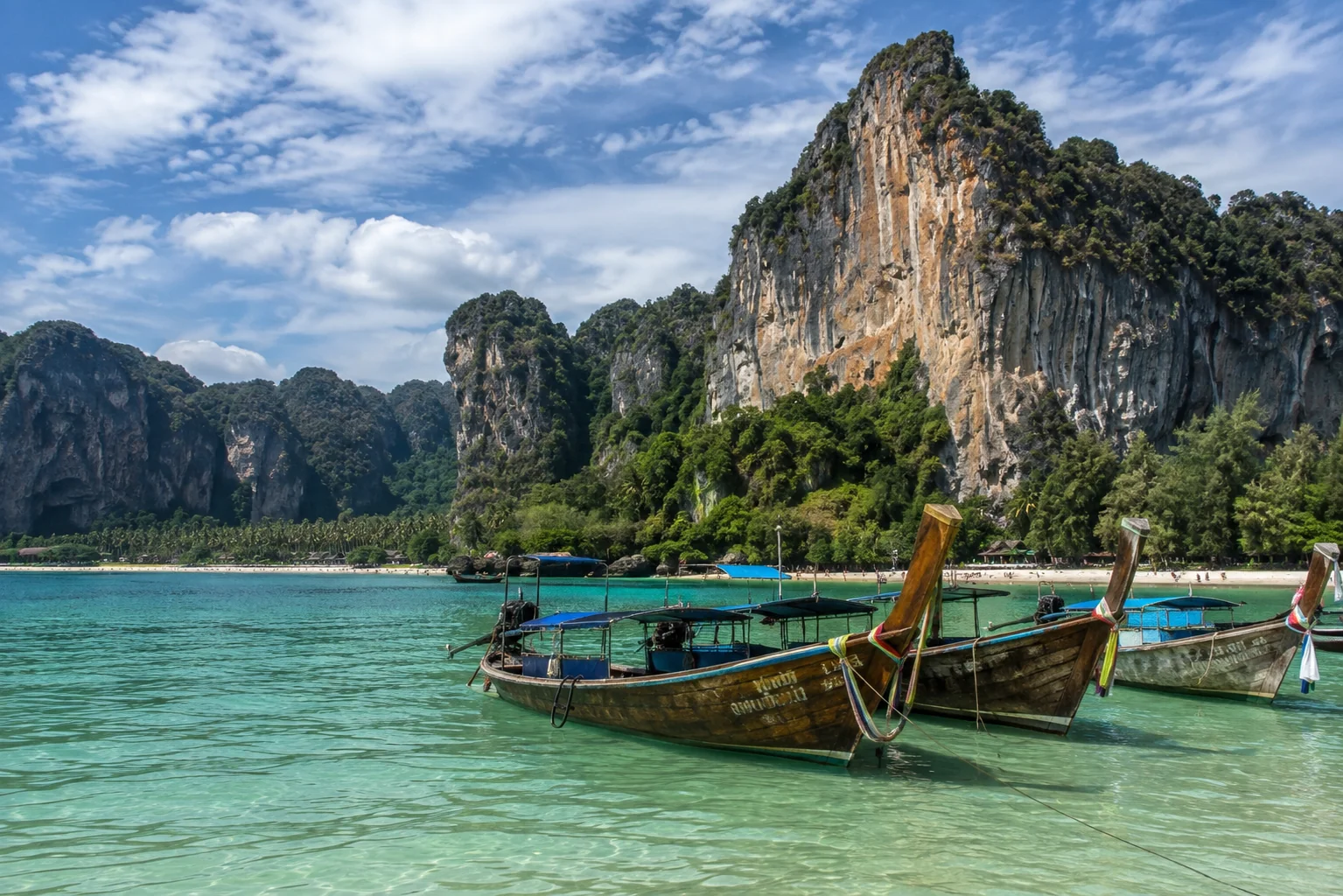
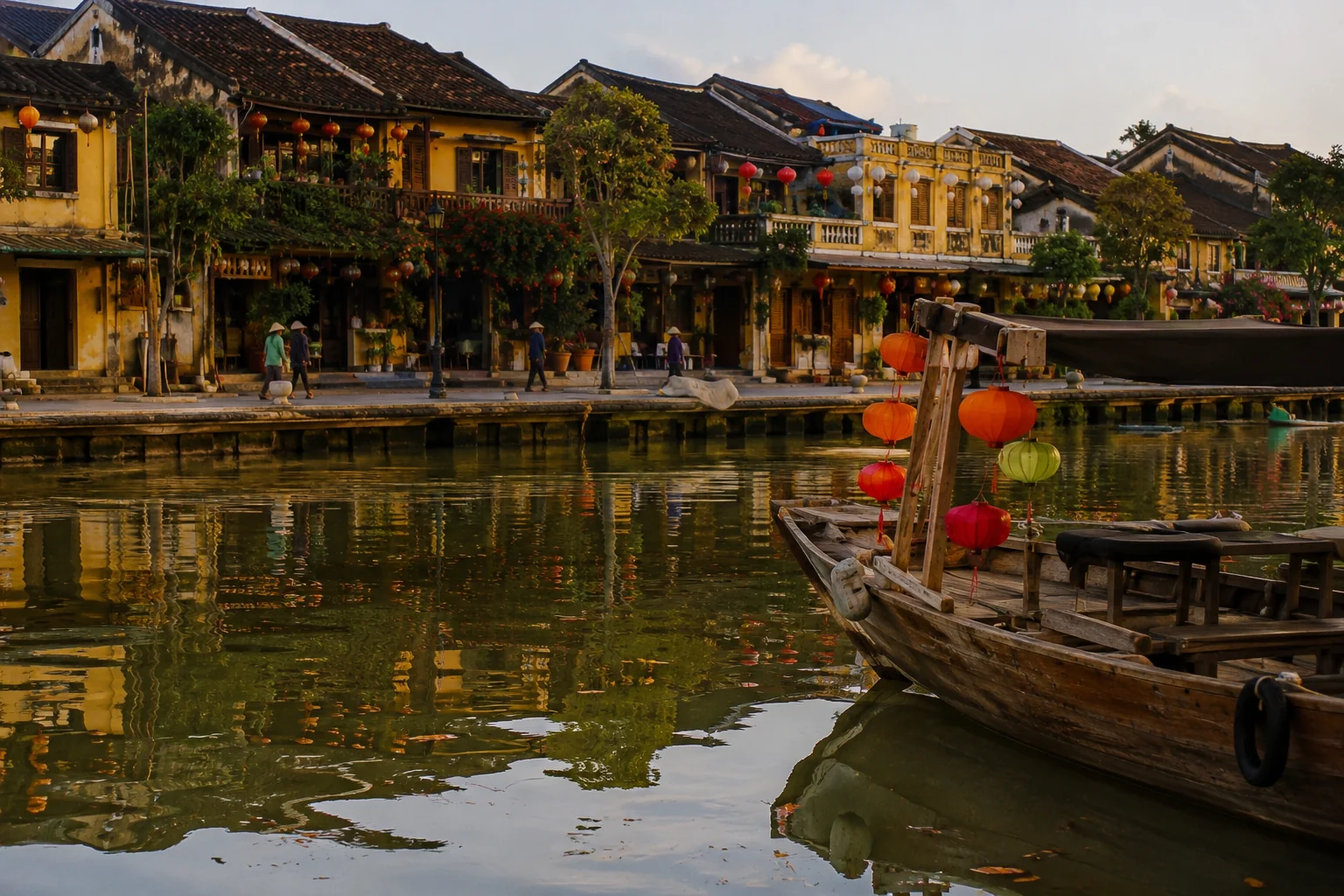
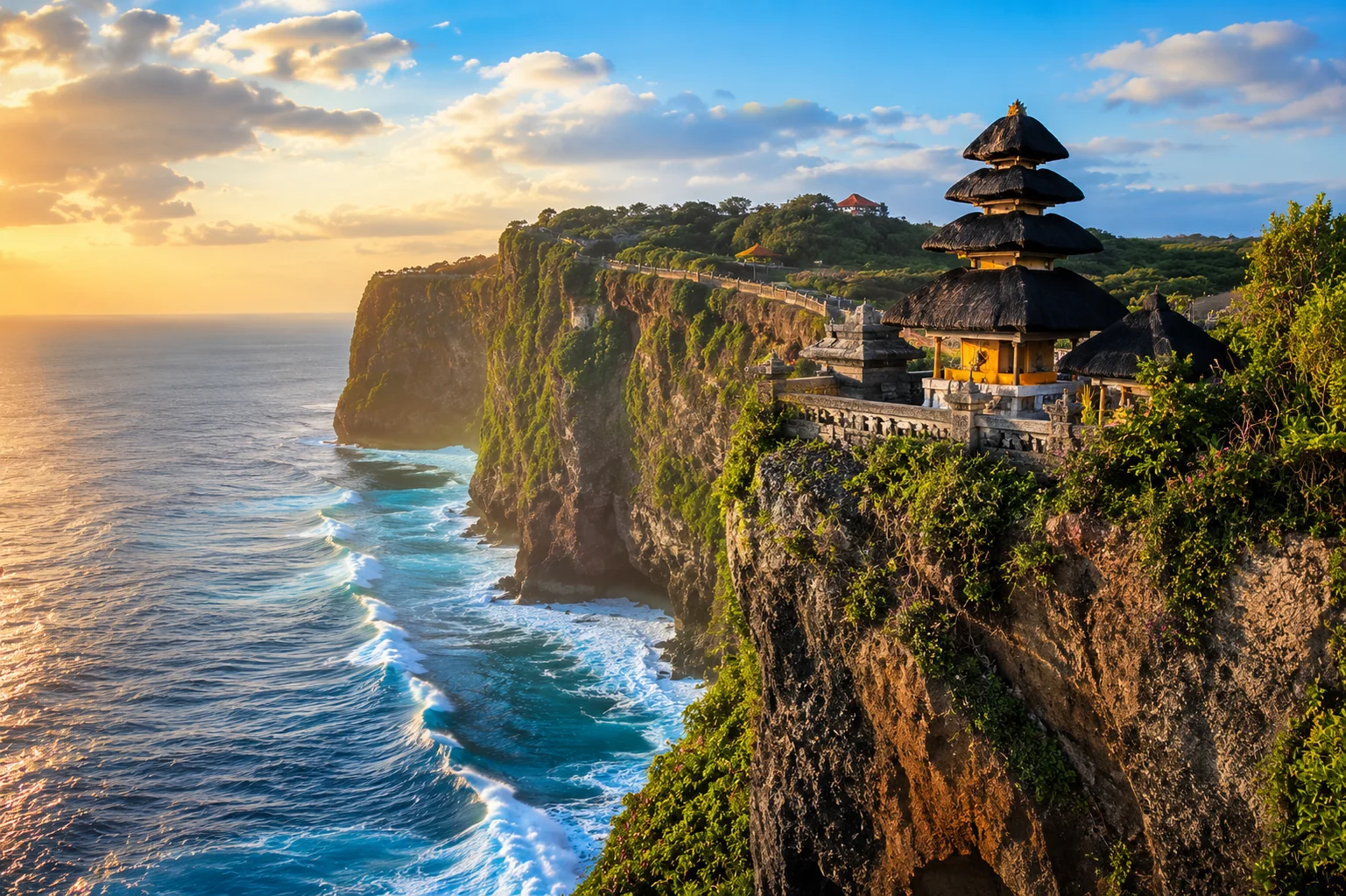
These get sold together and they could hardly be less alike. Kashmir is a green valley at 1,585m with lakes, gardens and meadows. Ladakh is high desert starting at 3,500m, where the air carries about two-thirds the oxygen you are used to.
One rule governs whether the trip works: two full nights in Leh before gaining any more altitude. Every itinerary we build has that in it. The trips that go wrong are the ones that cut it, and altitude sickness is indifferent to how fit you are.
Why go to Ladakh and Kashmir
Landscape unlike anywhere else in India
Ladakh is Tibetan plateau: bare rock, 5,000m passes and lakes the colour of nothing else.
Kashmir is genuinely easy
At 1,585m with gardens, houseboats and meadows, it needs no acclimatisation and suits any age.
Roads that are the destination
Khardung La at 5,359m, Chang La at 5,360m and the Zoji La crossing are the trip, not the transfer.
Two seasons, so something always works
Kashmir is at its best in April and May; Ladakh's window is June to September. Together they cover half the year.
What people come for
-
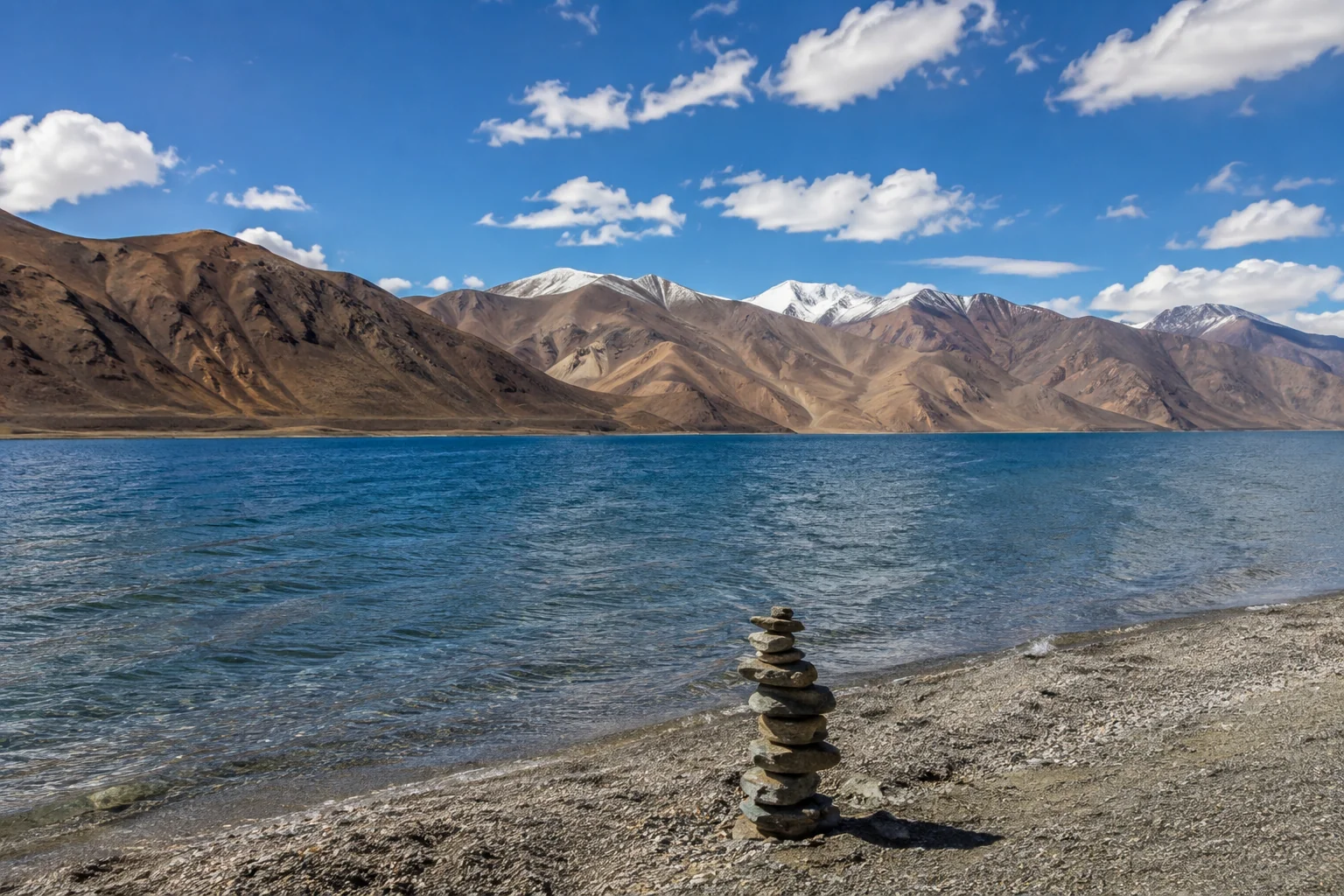
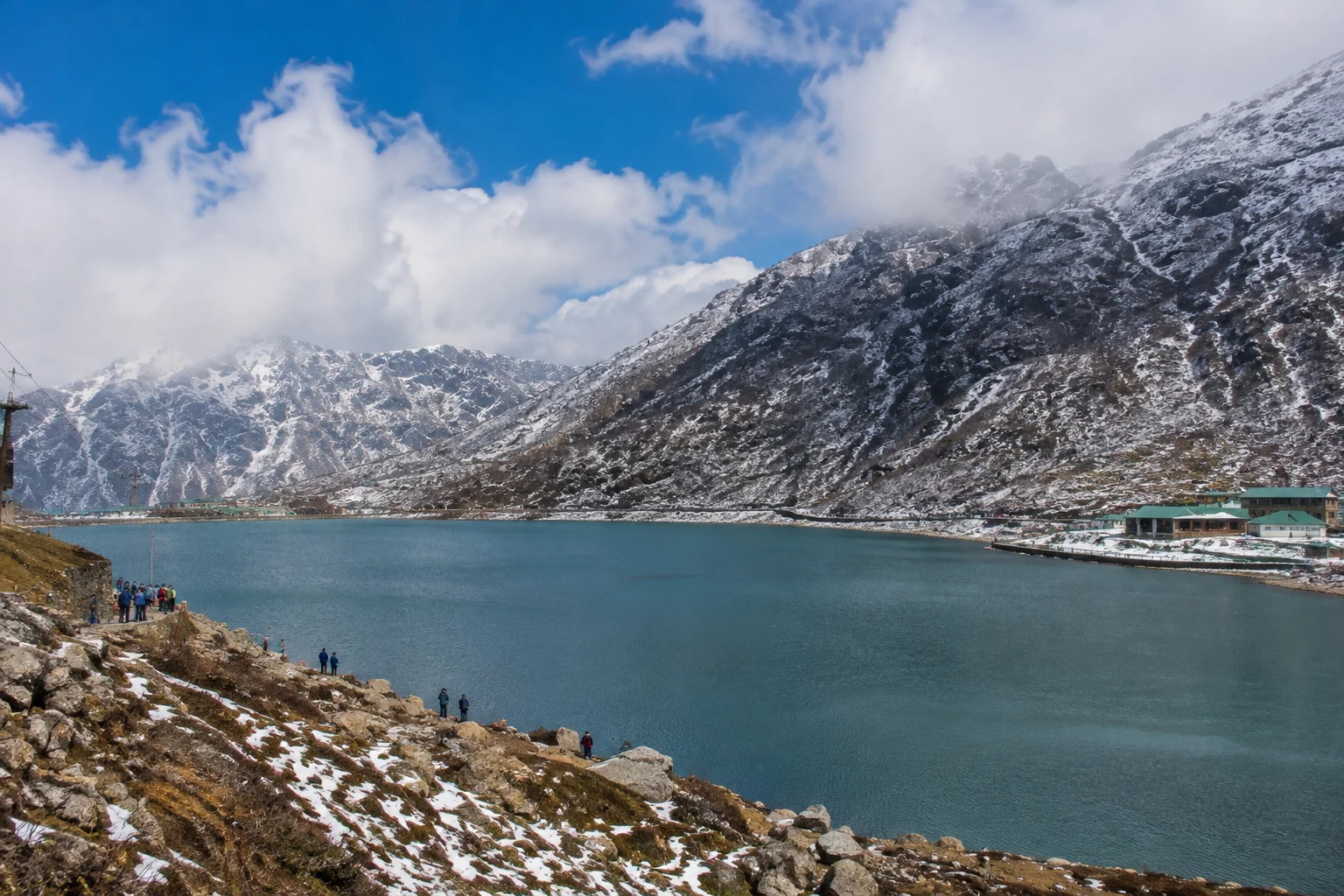
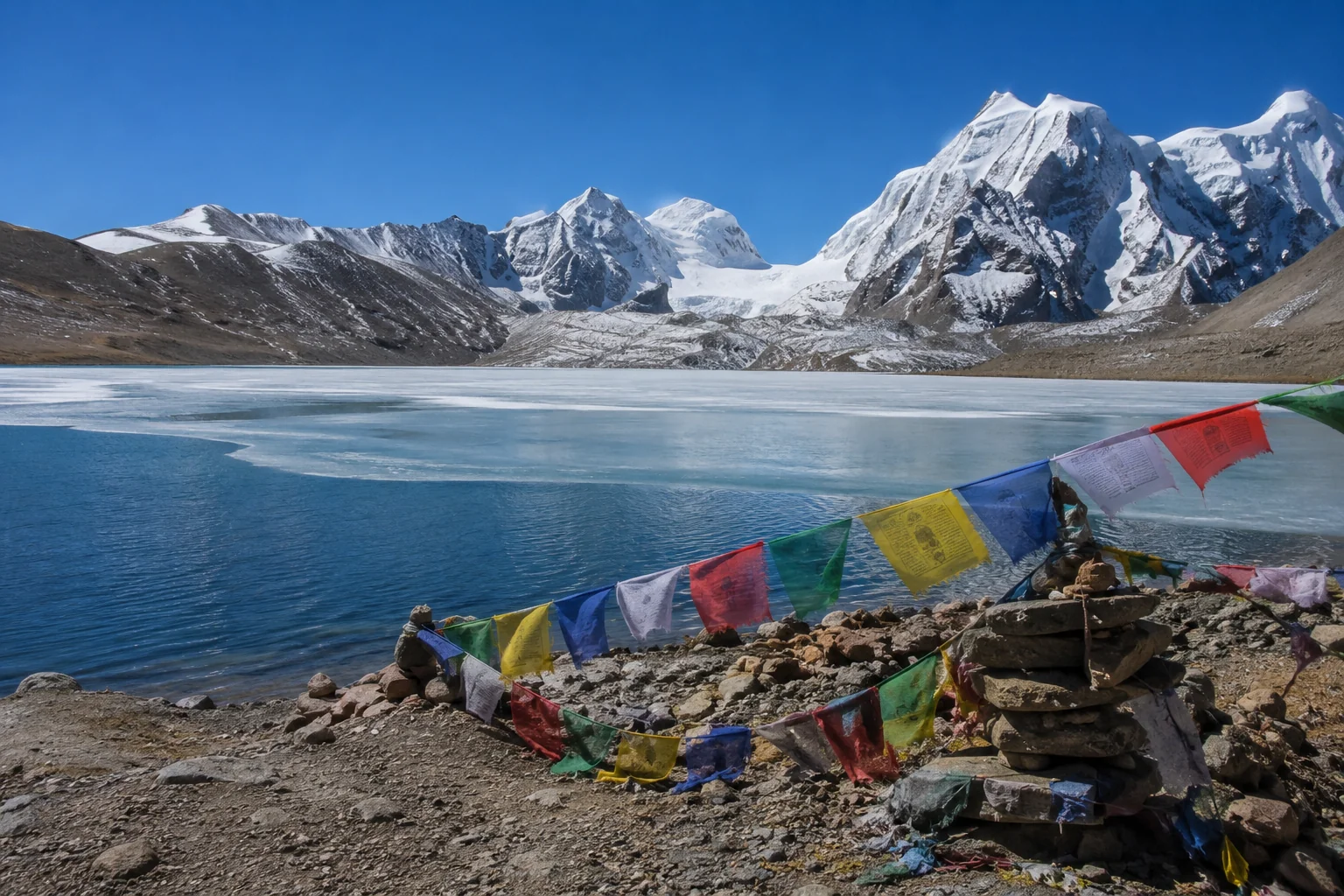
Pangong Tso
A 134km lake at 4,350m whose colour shifts through the day. Frozen December to March.
-
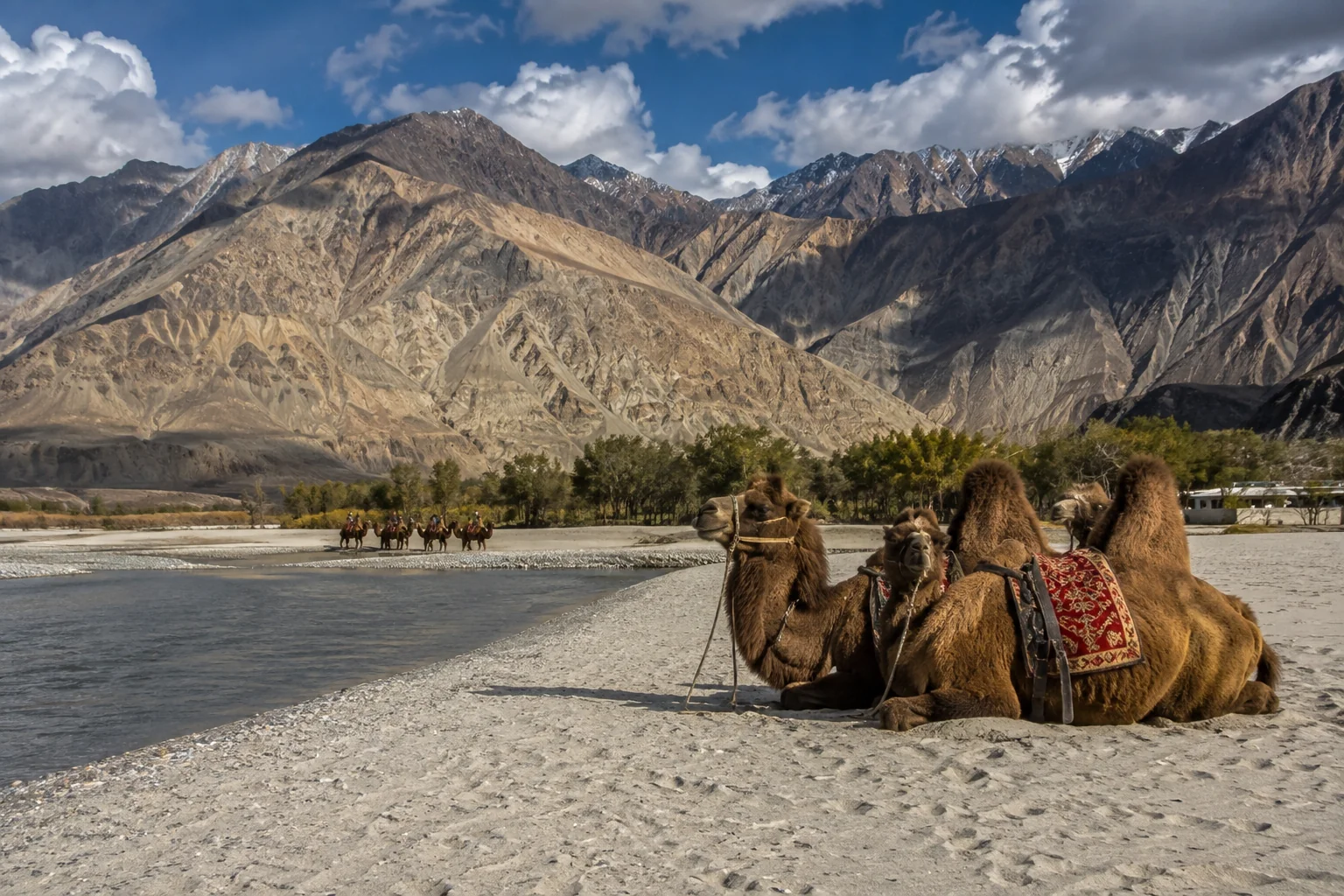
Nubra Valley
Over Khardung La and down to 3,000m: dunes, Bactrian camels and green oases.
-
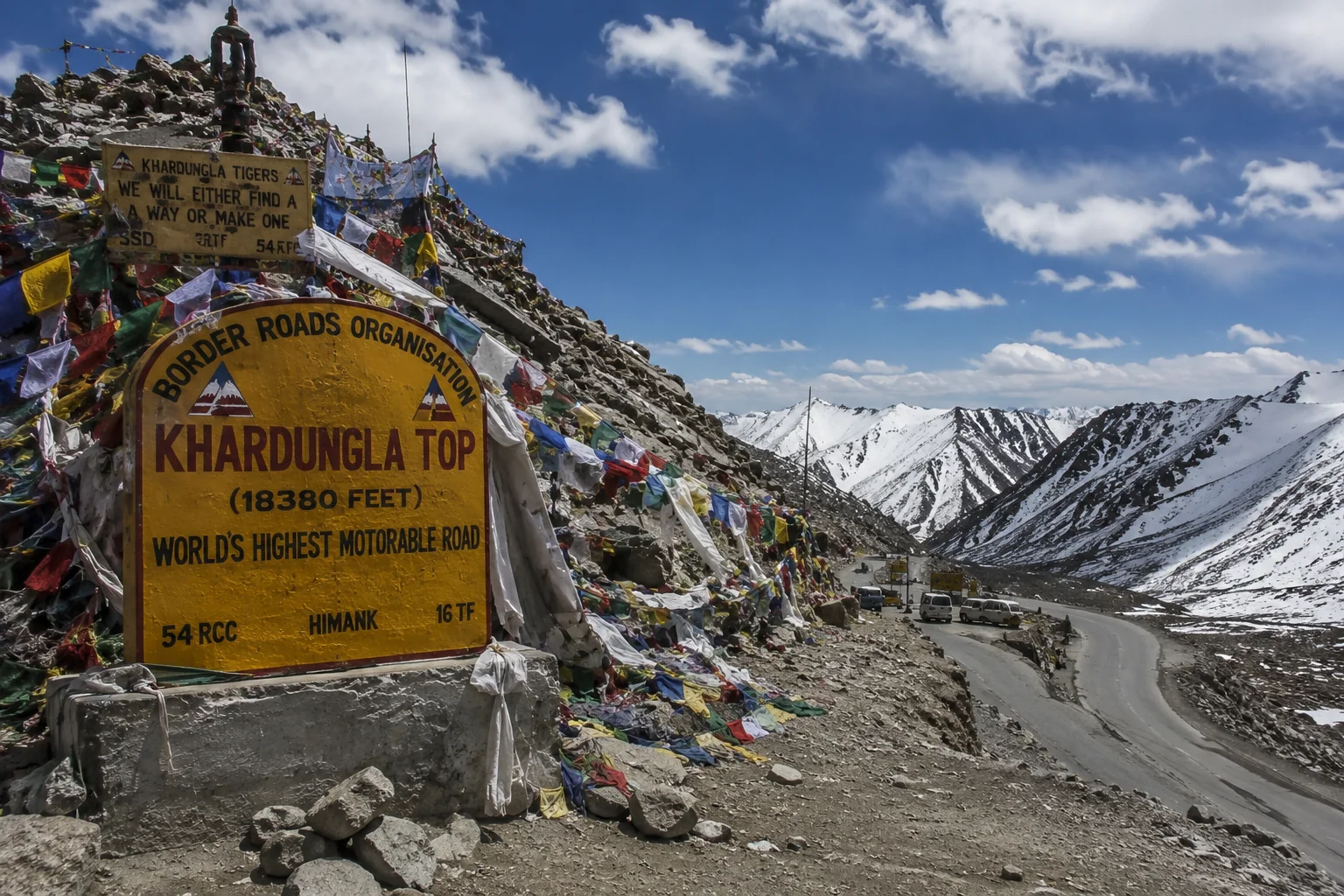
Khardung La
5,359m, and the gateway north from Leh. Twenty minutes at the top is plenty.
-
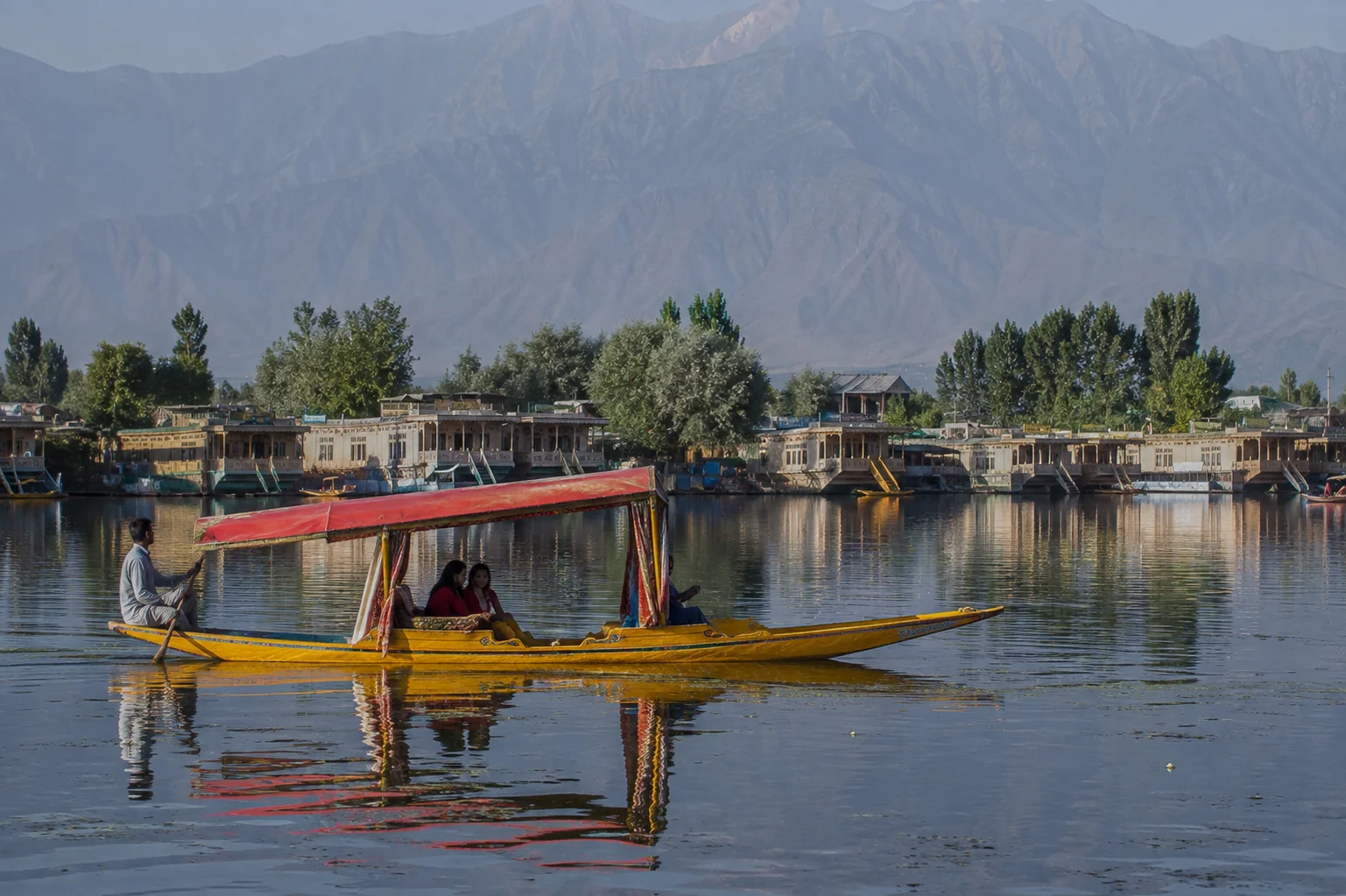
Dal Lake, Srinagar
Houseboats, shikaras and a floating vegetable market trading from five in the morning.
-
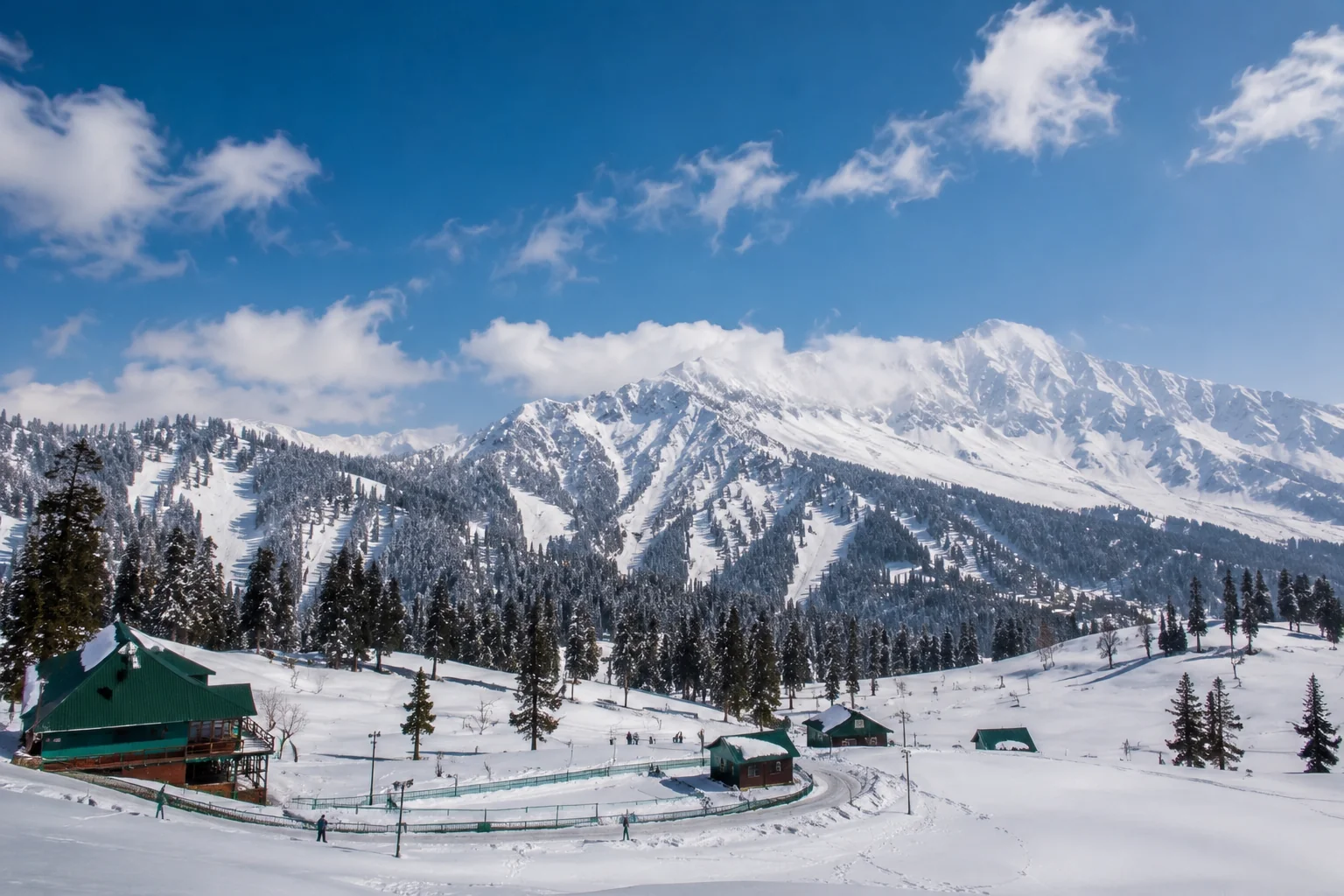
Gulmarg
A meadow at 2,650m with a gondola climbing to 3,979m at Apharwat.
-
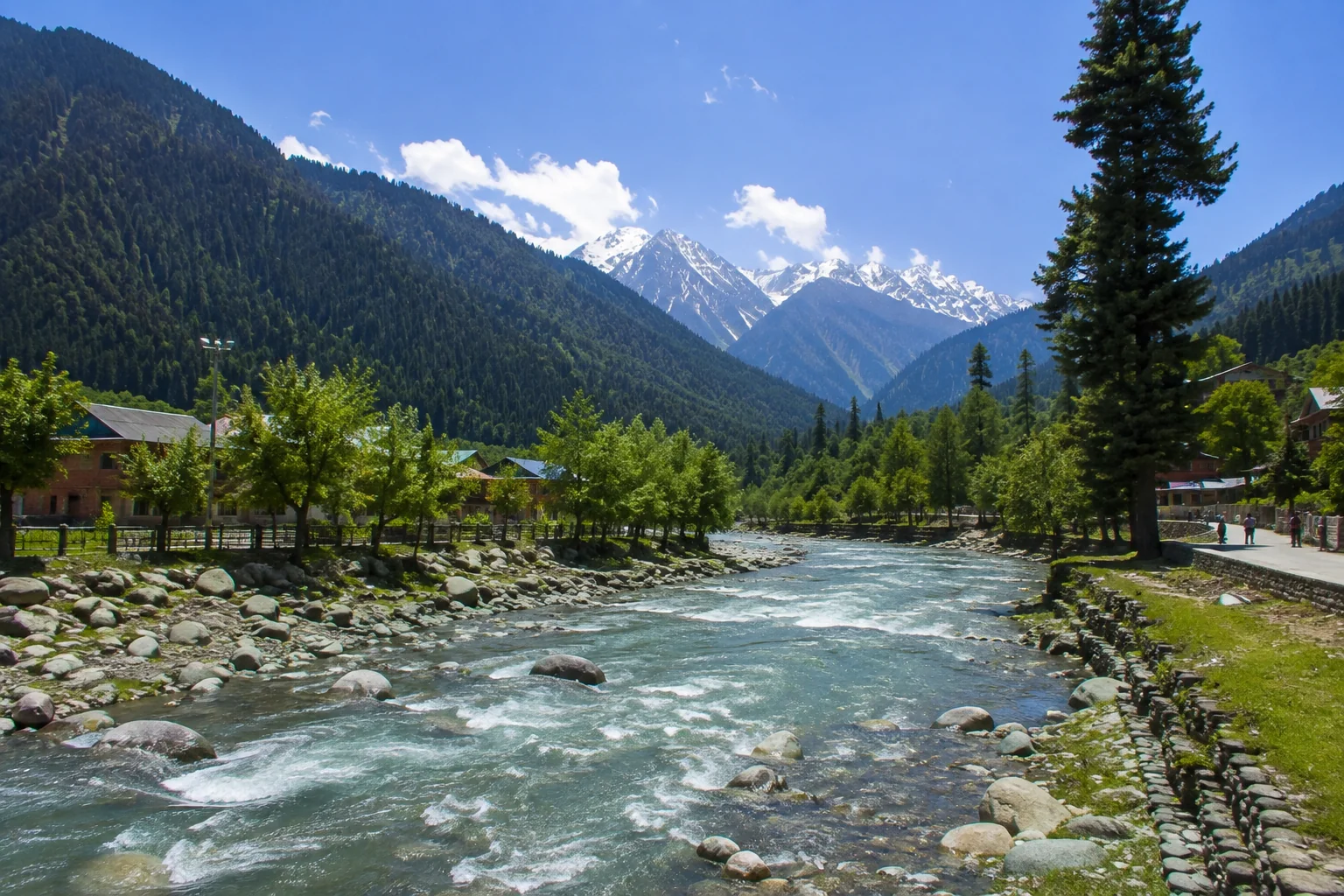
Pahalgam and Sonamarg
Valley towns at 2,200m and 2,730m, the second being the last stop before Zoji La.
Full guide: the best places to visit in Ladakh and Kashmir →
Before you book
How long you need
Seven nights covers Srinagar, a Kashmir valley town, then Leh, Nubra and Pangong with acclimatisation built in. Under six nights means either dropping Pangong or skipping acclimatisation, and only one of those is a real option.
Who it suits
Kashmir suits everyone. Ladakh does not: 5,000m passes and nights at 4,350m rule it out for anyone with heart or lung conditions, and it is hard on very young children.
What to watch for
Flying into Leh means 3,300m of altitude gain in ninety minutes. Driving up from Srinagar through Kargil is gentler and better, when the season allows it.
Ladakh & Kashmir — Leh, Pangong & Srinagar
Two full days in Leh before you gain any altitude, because the trip is only good if you feel well. Khardung La and a night beside Pangong Tso, then down to a Srinagar houseboat on the Dal.
From₹36,499
See the full itineraryBest time to visit Ladakh and Kashmir
| When | What it is like | Verdict |
|---|---|---|
| April – May | Kashmir at its best: tulips, blossom, green meadows. Ladakh roads still opening. | Best for Kashmir |
| June – September | The Ladakh season. All passes open, Pangong and Nubra accessible. | Best for Ladakh |
| October – November | Chinar turning in Kashmir, clear and cold in Ladakh, high roads closing. | Good, narrowing |
| December – March | Gulmarg skiing and Srinagar under snow. Ladakh by air only; Pangong frozen. | Kashmir only |
Getting to Ladakh and Kashmir
By air. Leh and Srinagar both have direct flights from Delhi. Flying into Leh puts you at 3,500m in ninety minutes, which is precisely why the acclimatisation rule exists.
By road. Srinagar to Leh is 420km over Zoji La and Fotu La, two days with a night at Kargil, open roughly May to November. The Manali–Leh road opens later, usually June to October.
The sensible order. Srinagar first at 1,585m, then drive up through Kargil, so you acclimatise as you climb rather than arriving at altitude cold.
Permits and entry rules
Leh town needs no permit. Indian nationals need an Inner Line Permit for Nubra, Pangong, Tso Moriri, Turtuk and the Changthang region, issued in Leh and normally arranged by the operator. Foreign nationals need a Protected Area Permit for the same areas. Kashmir requires no permit, though the security situation should be checked close to your dates.