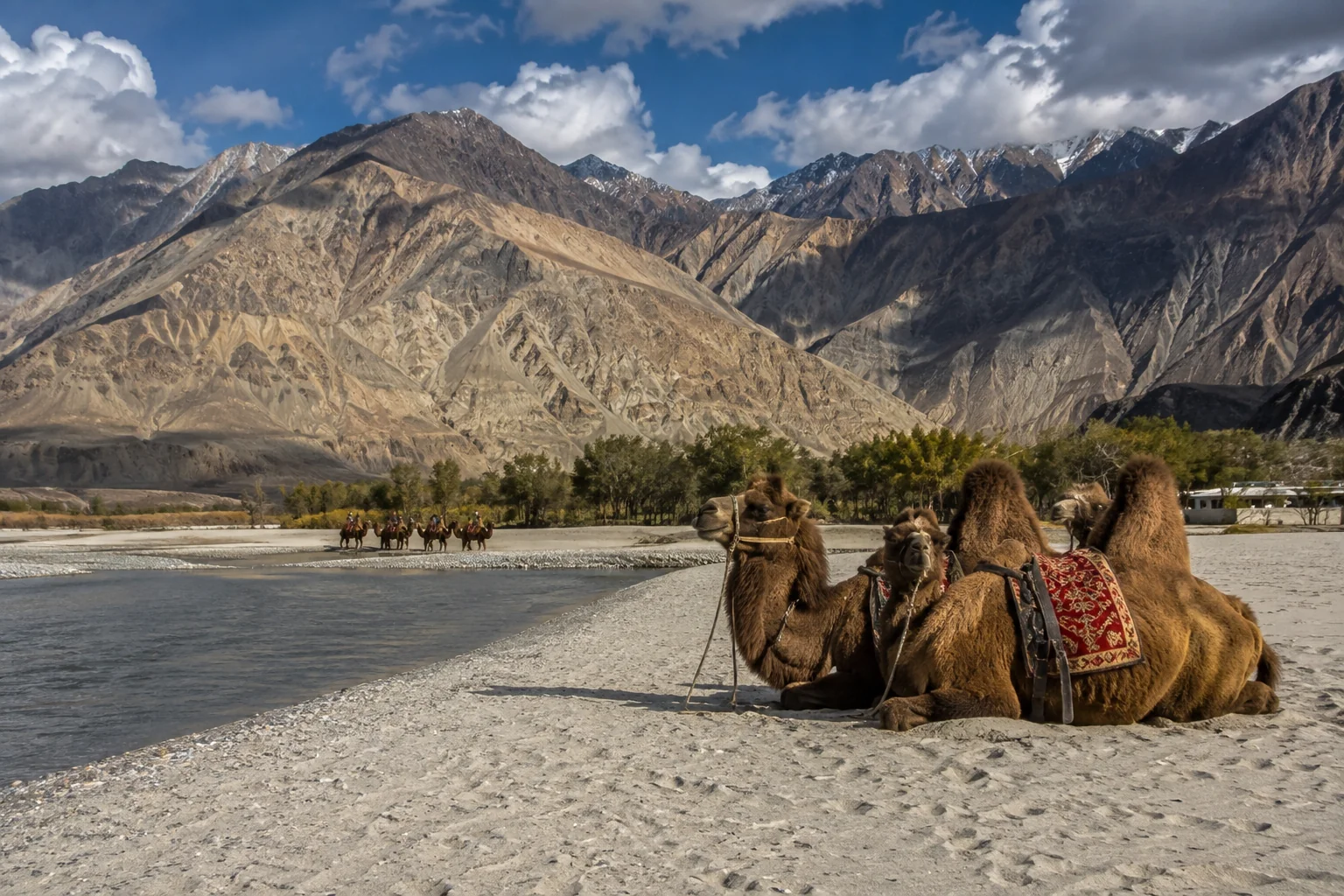
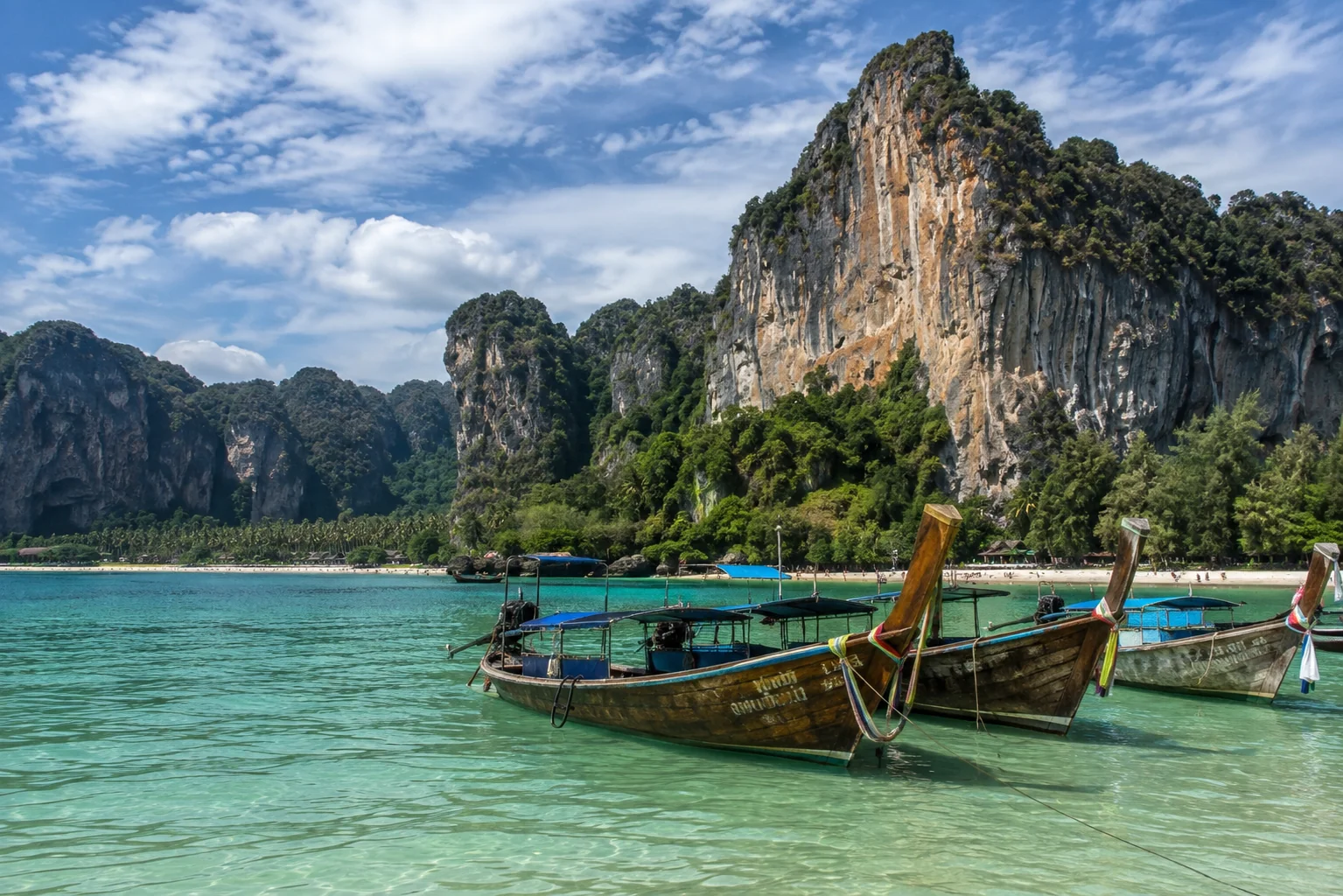
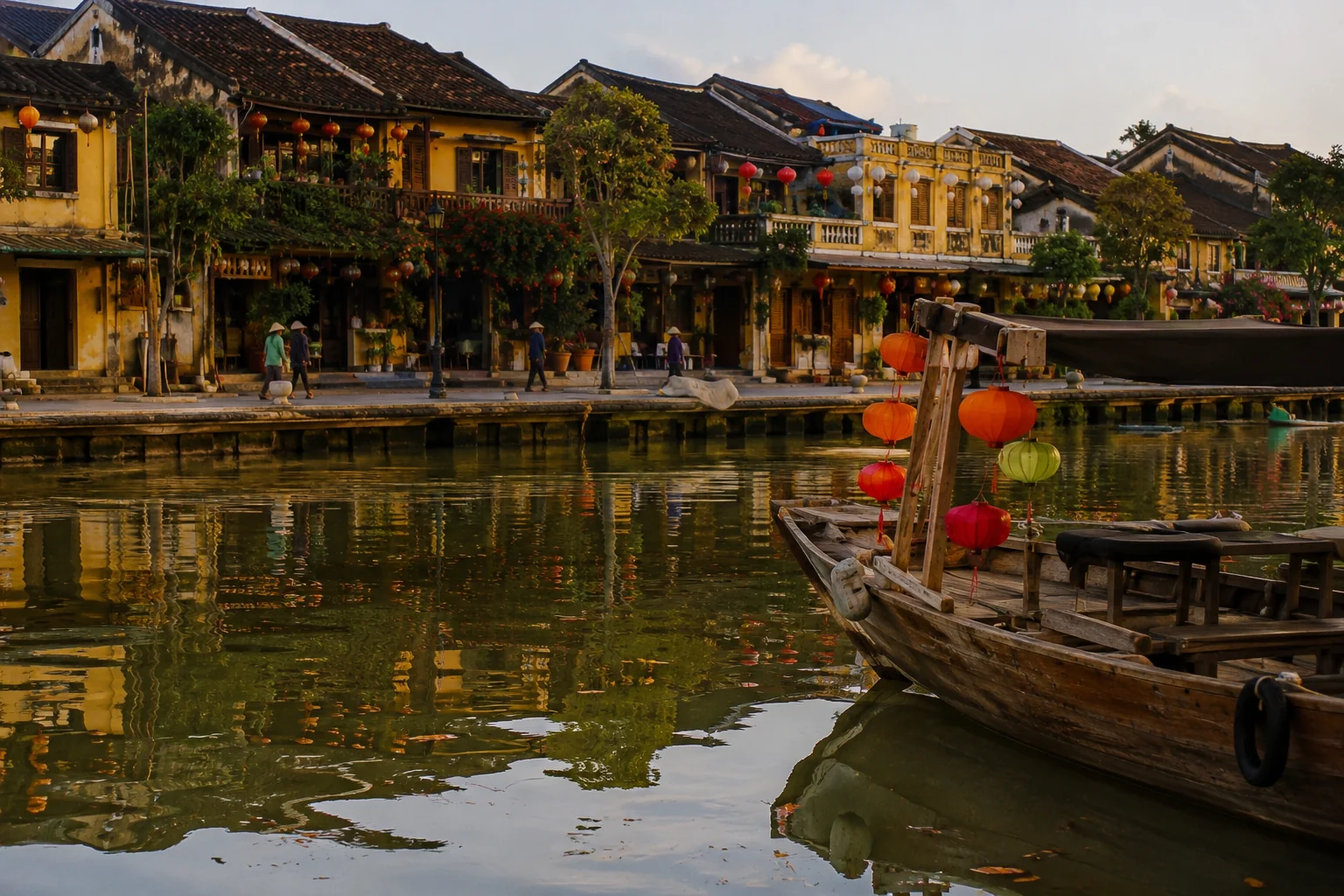
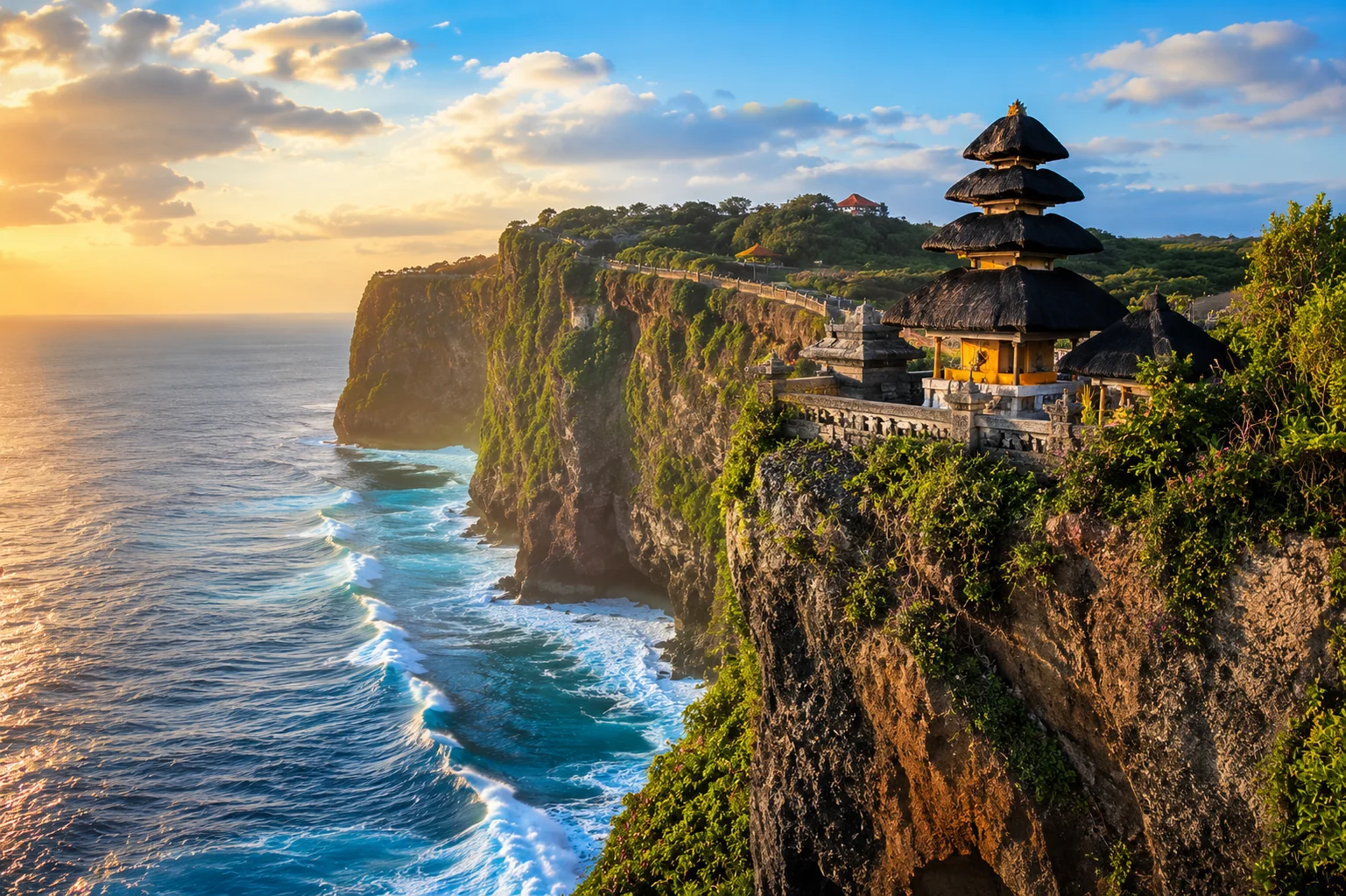
No visa, no permit at the border, and a Voter ID card accepted in place of a passport. Nepal removes the paperwork problem that shapes every Bhutan and Sikkim itinerary.
What it replaces it with is distance. Kathmandu, Pokhara and the Terai are three very different zones, and six or seven nights covers two of them well. Attempting all three plus a trek is where Nepal trips fall apart.
Why go to Nepal
No visa for Indian nationals
Entry is straightforward. The one catch is that Aadhaar and driving licences are not accepted; you need a passport or Voter ID.
Eight of the world's ten highest mountains
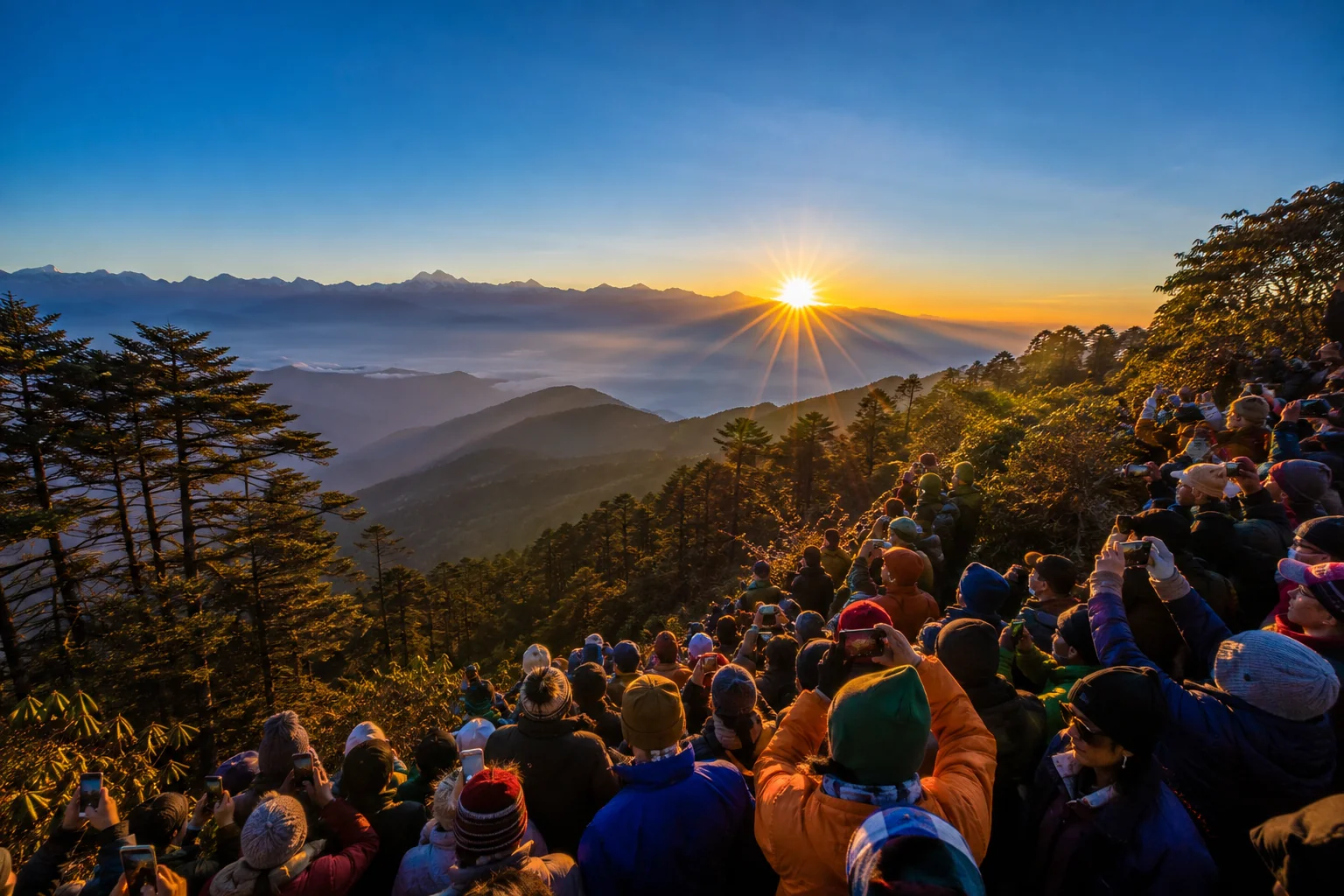
Including Everest. Sunrise from Nagarkot or Sarangkot gets you the panorama without walking.
Trekking that needs no camping gear
The teahouse system on the Annapurna and Everest routes is why so many people start trekking here.
Cheaper than it looks
Accommodation and food cost noticeably less than comparable trips in India, and there is no visa fee.
What people come for
-
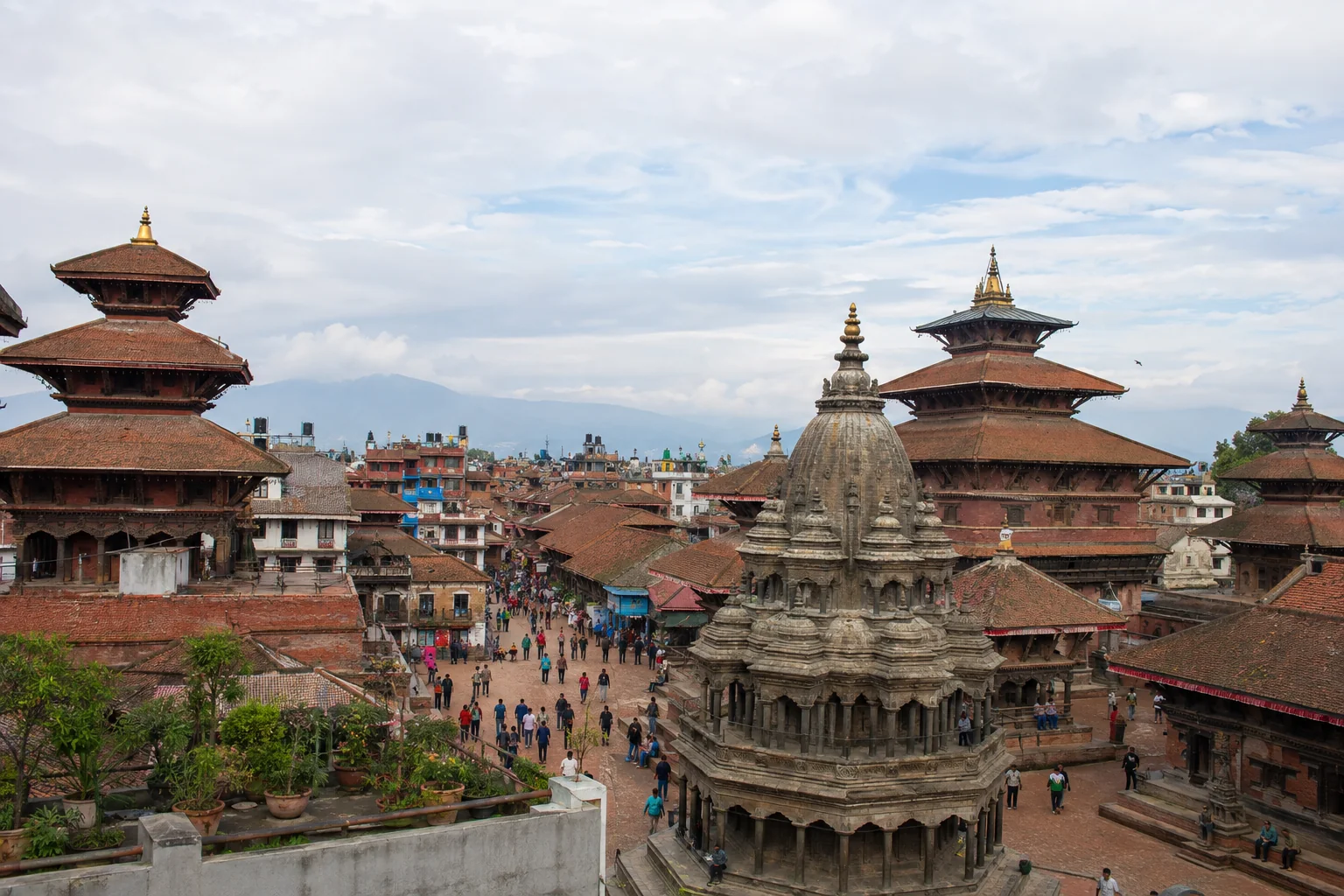
Kathmandu valley
Three Durbar Squares, Pashupatinath and Boudhanath, much of it rebuilt since 2015.
-
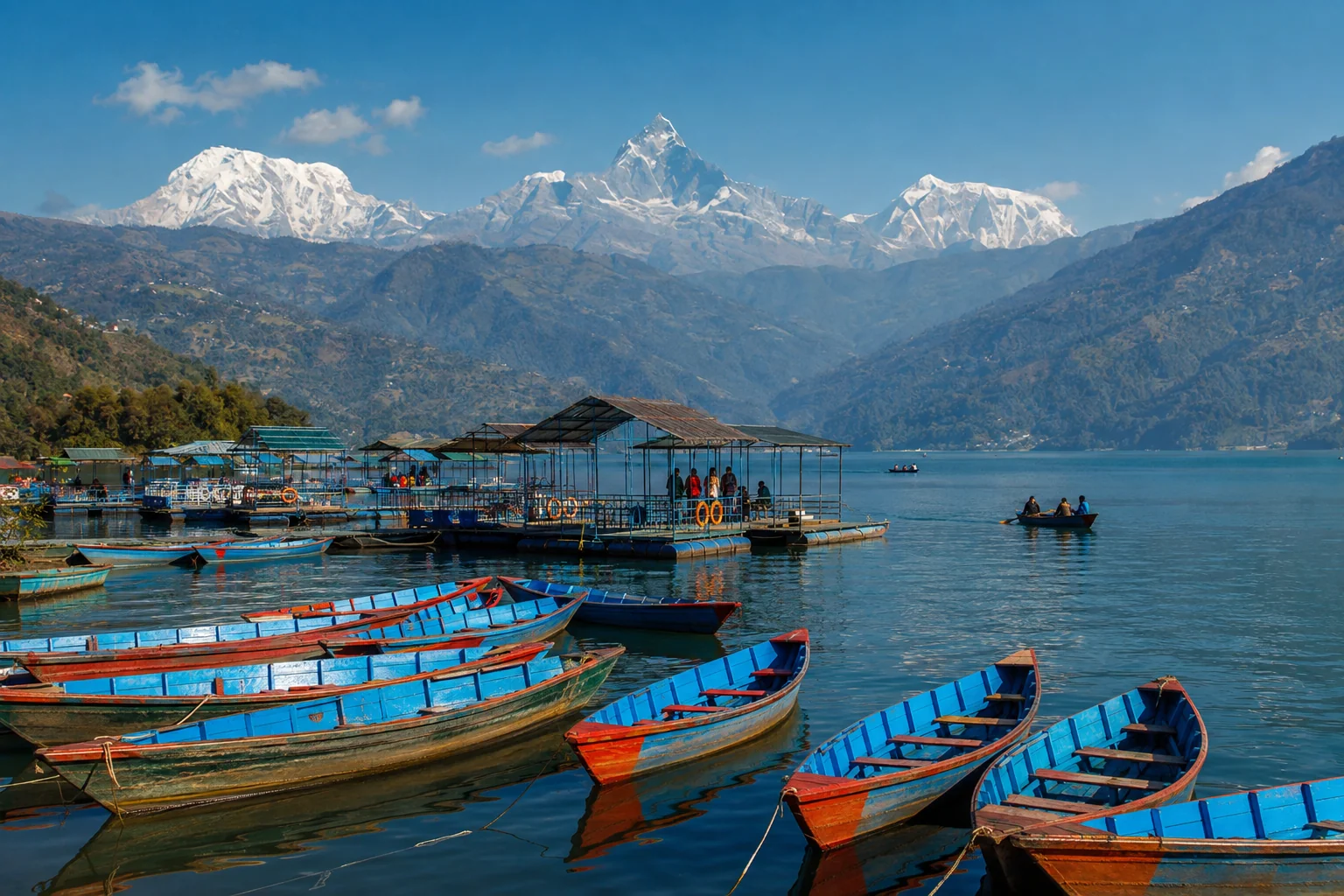
Pokhara and Phewa Lake
A lake at 820m with the Annapurna massif rising 7,000m behind it.
-
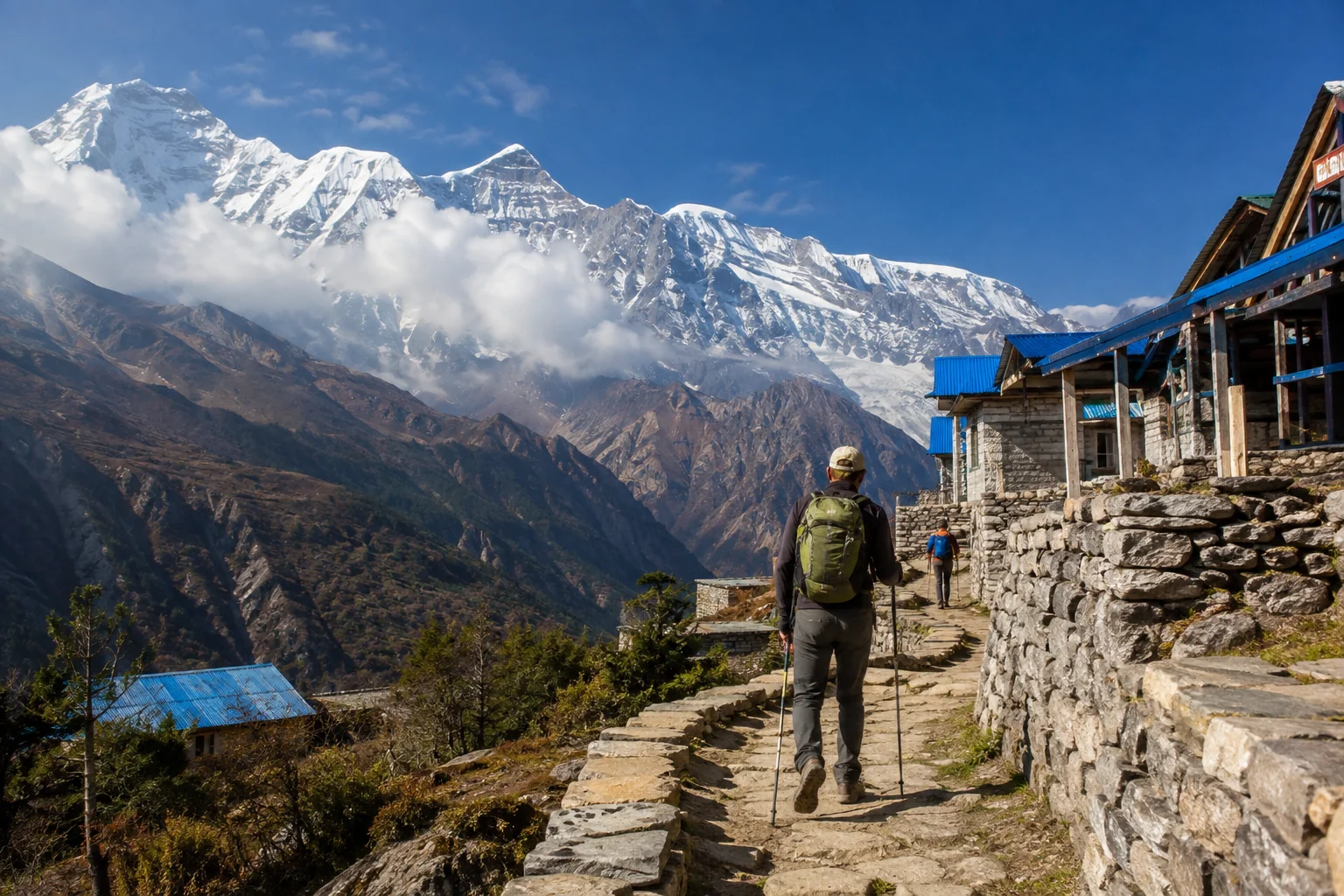
The Annapurna region
Poon Hill at four days, Base Camp at ten, the full circuit at twelve to eighteen.
-
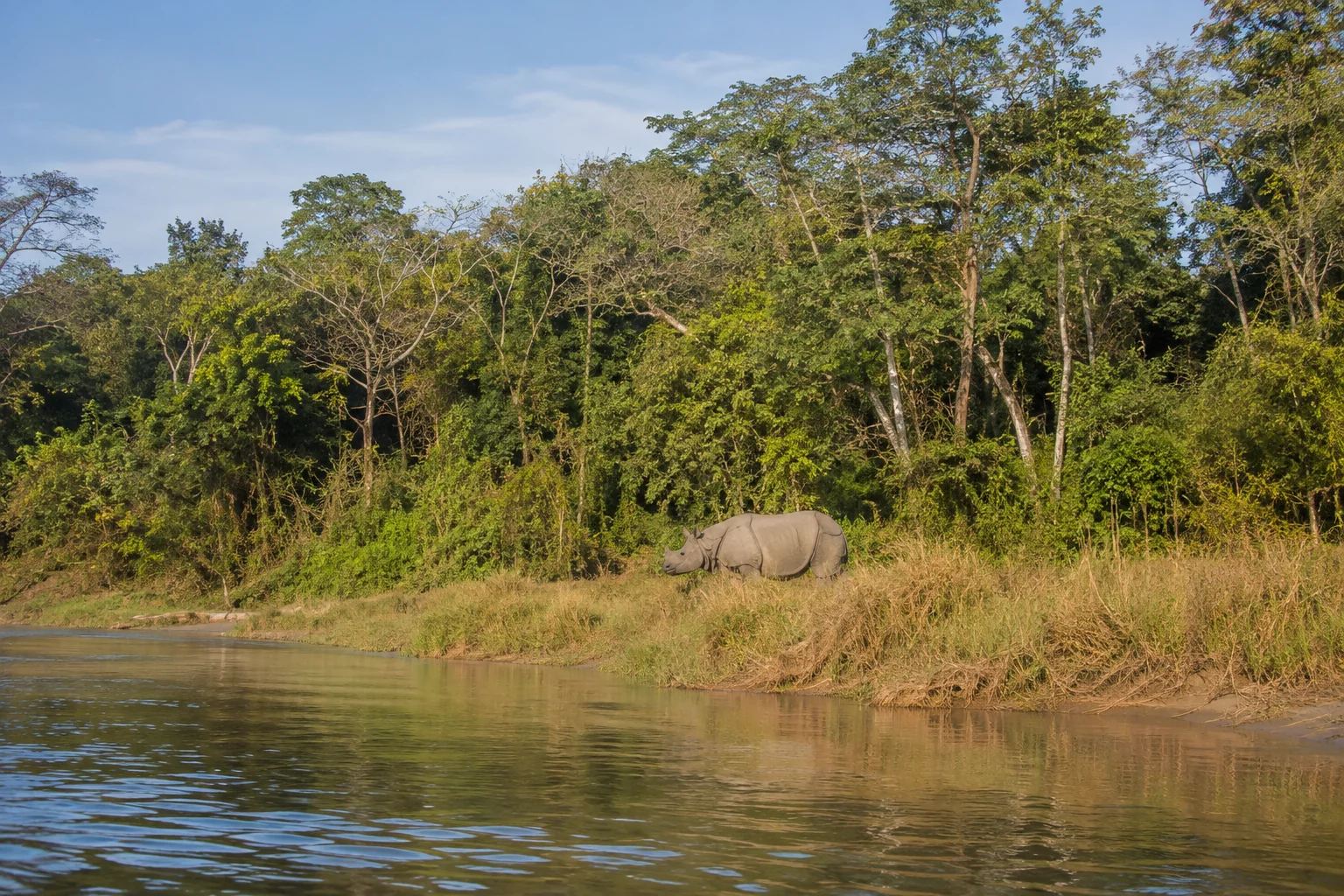
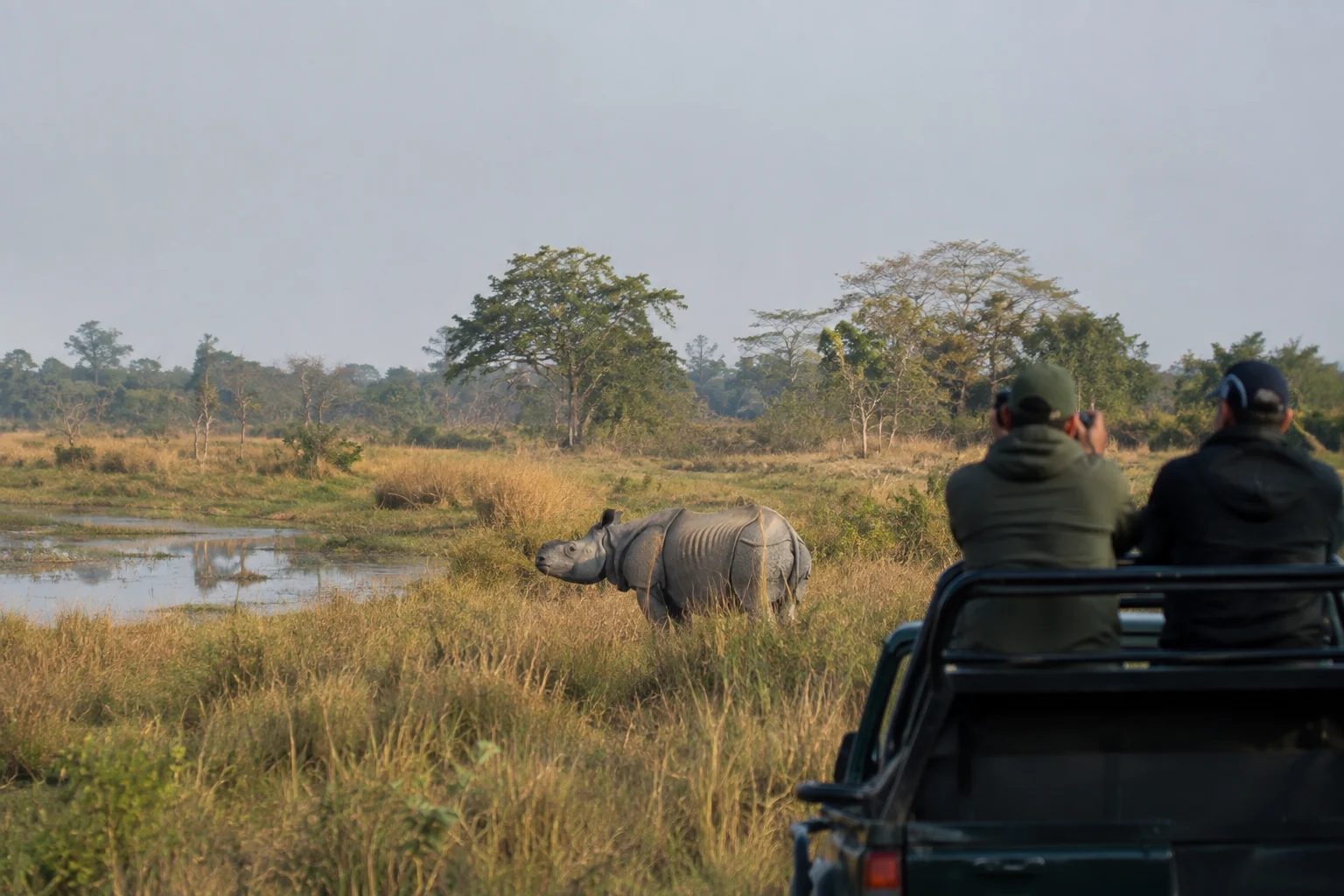
Chitwan National Park
Terai grassland at 150m holding rhino, gaur, sloth bear and tiger.
-
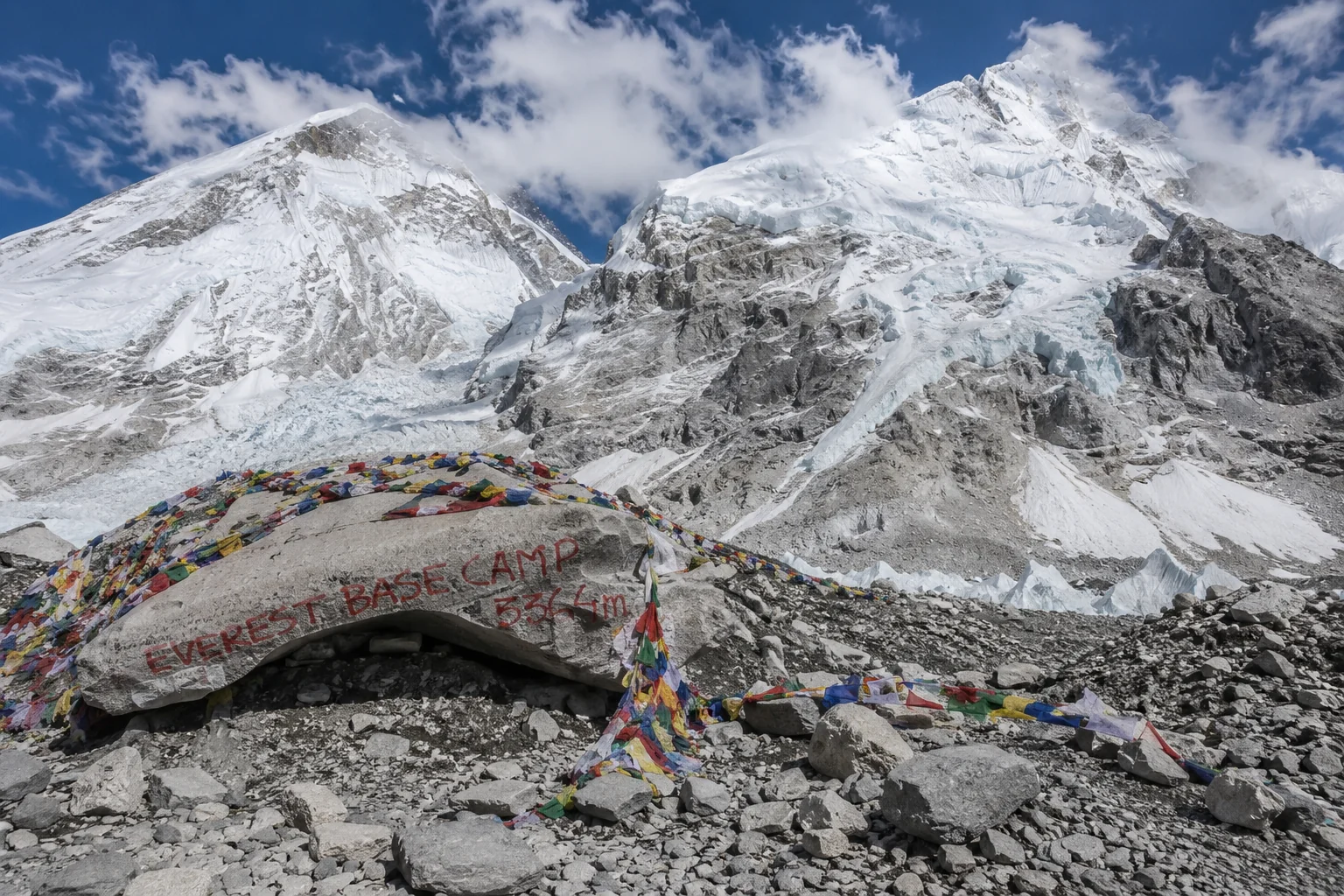
The Khumbu
Everest Base Camp in twelve to fourteen days, with Lukla's weather as the wildcard.
Full guide: the best places to visit in Nepal →
Before you book
How long you need
Six nights covers Kathmandu, Pokhara and a sunrise viewpoint. Chitwan adds two. Any trek beyond Poon Hill deserves its own trip rather than being wedged into a sightseeing itinerary.
Who it suits
Everyone, in its non-trekking form. Kathmandu and Pokhara are low altitude and easy. Trekking routes are a different proposition and need honest fitness assessment.
What to watch for
The Kathmandu to Pokhara road takes six to eight hours and is unpredictable. The 25-minute flight is worth the money. Lukla flights for Everest treks are weather-dependent, so build in spare days.
Nepal — Kathmandu, Pokhara & Nagarkot
Temple mornings in Kathmandu, a lakeside slow-down in Pokhara, and a Nagarkot sunrise over the Annapurna range. No visa required for Indian nationals.
From₹21,999
See the full itineraryBest time to visit Nepal
| When | What it is like | Verdict |
|---|---|---|
| March – May | Warm, rhododendrons on the trails, good early visibility. Haze builds by late spring. | Best for trekking |
| June – August | Monsoon. Leeches on the trails, mountain flights cancelled, no views. | Avoid |
| September – November | The clearest air of the year and the main trekking season. Dashain and Tihar fall here. | Best overall |
| December – February | Cold at altitude with high passes snowbound, but Kathmandu, Pokhara and Chitwan are pleasant and empty. | Best for Chitwan |
Getting to Nepal
By air. Tribhuvan International in Kathmandu takes direct flights from Delhi, Kolkata, Mumbai, Bengaluru and Varanasi. Pokhara and Bhairahawa also have international terminals.
Overland. The main crossings from India are Sunauli near Gorakhpur, Raxaul near Birgunj, Kakarbhitta in the east near Siliguri, and Banbasa in Uttarakhand. Kakarbhitta is the relevant one for anyone already in north Bengal.
Permits and entry rules
No visa is required for Indian nationals. You must carry a valid passport or a Voter ID card issued by the Election Commission of India; Aadhaar cards and driving licences are not accepted, and air arrivals face stricter checks than overland crossings. Trekking requires a TIMS card and area permits such as ACAP, obtained in Kathmandu or Pokhara before you start walking.