These two get sold as one trip and they are not one place. Kashmir is a green valley at 1,600 metres with lakes, gardens and meadows. Ladakh is high desert at 3,500 metres and above, where the air holds about two-thirds the oxygen you are used to. The best places to visit in Ladakh and Kashmir are listed below in two blocks, because that is how you should travel them.
One rule decides whether a Ladakh trip works: two full nights in Leh before you gain any more altitude. Every itinerary we build has that in it, and the ones that go wrong are the ones that skipped it. Altitude sickness does not care how fit you are.
What are the best places to visit in Ladakh and Kashmir?
The best places to visit in Ladakh and Kashmir are Pangong Lake, Nubra Valley, Khardung La and Leh in Ladakh, and Dal Lake in Srinagar, Gulmarg, Pahalgam and Sonamarg in Kashmir. Ladakh sits above 3,500 metres, so two acclimatisation nights in Leh are essential.
- Leh
- Thiksey Monastery
- Hemis Monastery
- Shanti Stupa
- Khardung La
- Nubra Valley
- Diskit Monastery
- Turtuk
- Pangong Tso
- Tso Moriri
- Magnetic Hill and the Sangam
- Lamayuru
- Zanskar and the Chadar trek
- Srinagar and Dal Lake
- The Mughal Gardens
- Gulmarg
- Pahalgam
- Sonamarg
- Doodhpathri and Yusmarg
- Dachigam National Park
1.Leh
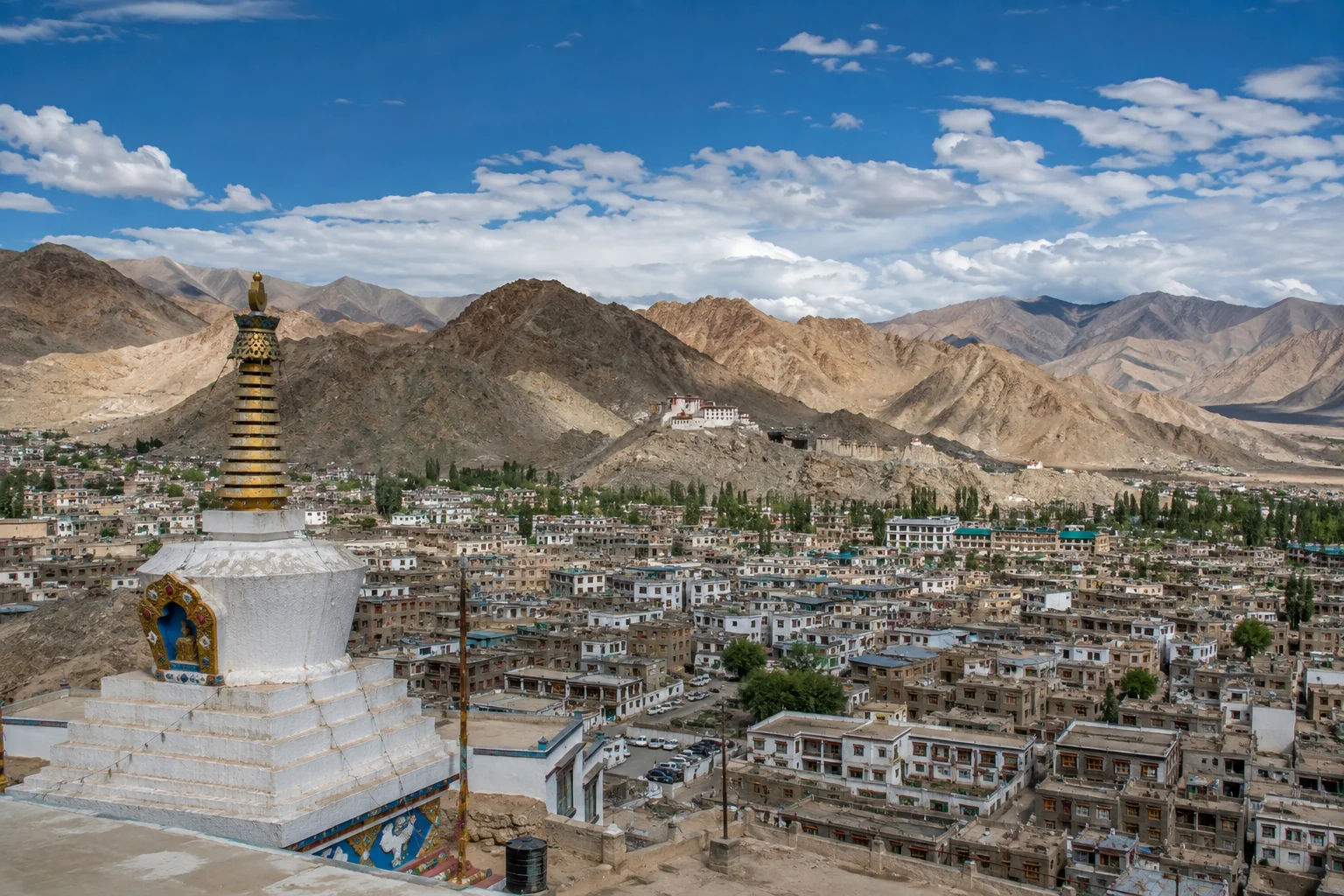
The Ladakhi capital at 3,500 metres, built below a nine-storey palace modelled on the Potala. It is where every trip begins, and where you sit still for two days whether you feel like it or not.
The old town below the palace has been restored in mud brick and is worth an unhurried afternoon. Which is convenient, because unhurried is all you should attempt.
Acclimatisation: spend two full nights in Leh before travelling higher. No exertion, no alcohol, and drink more water than feels reasonable. Flying in from Delhi takes you from 200m to 3,500m in 90 minutes, which is why the rule exists.
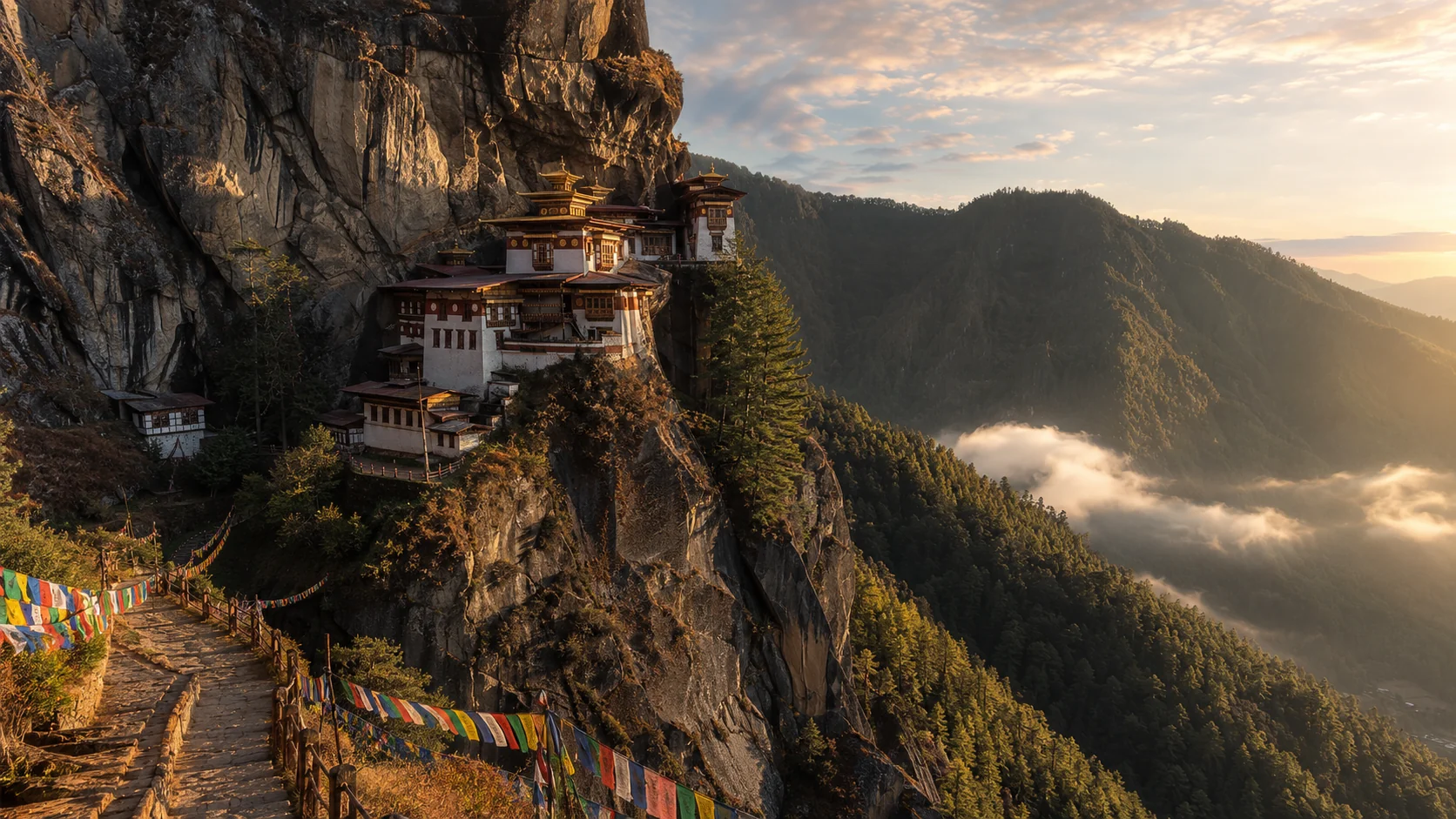
2.Thiksey Monastery
A twelve-storey complex stacked up a hill 19 km from Leh, the closest thing in Ladakh to the Potala in Lhasa. The Maitreya temple holds a 15-metre seated Buddha spanning two floors.
Morning prayers start around 6am with conch shells and horns from the roof. It is open to visitors and nobody minds you being there.
Timing: arrive by 6am for the prayers, or after 9am for the temples in daylight. Small entry fee. Combine with Shey and Stakna on the same road.
3.Hemis Monastery
The wealthiest and largest gompa in Ladakh, tucked into a gorge 45 km from Leh so it stayed hidden from raiders. Its museum holds the best collection of thangkas in the region.
The Hemis Festival in June or July, marking Guru Padmasambhava's birth, brings masked Cham dances into the courtyard.
Festival dates move: Hemis Tsechu follows the Tibetan lunar calendar, usually falling in June or July. Check the date before building a trip around it.
4.Shanti Stupa
A white dome above Leh built by Japanese monks in 1991, reachable by 500 steps or a road around the back.
Sunset from here covers the whole Indus valley and the Stok range opposite. It is the standard first-evening activity, and it earns that.
Take the road: on your first day in Leh, do not climb the 500 steps. Drive up. The altitude makes stairs harder than they look.
5.Khardung La
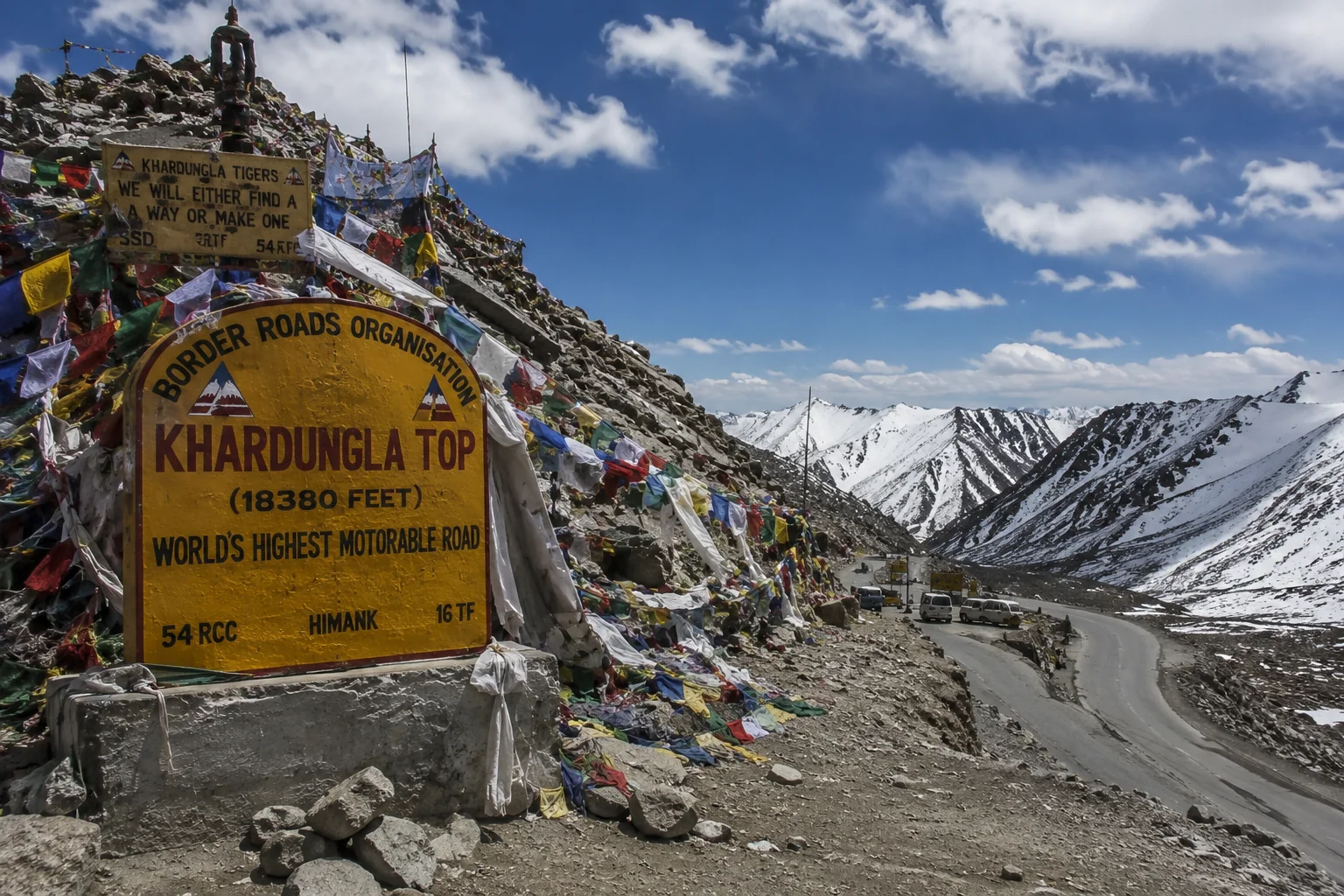
The pass north of Leh at 5,359 metres, long advertised as the highest motorable road in the world, a claim now disputed by several other passes. It remains extraordinarily high and the gateway to Nubra.
There is a café and a small army post at the top. Nobody should linger.
Khardung La permits: an Inner Line Permit is required and is issued in Leh, usually through your operator. Do not spend more than 20–30 minutes at the top; the altitude is serious and the toilets are not. Closed occasionally by snow, even in summer.
6.Nubra Valley
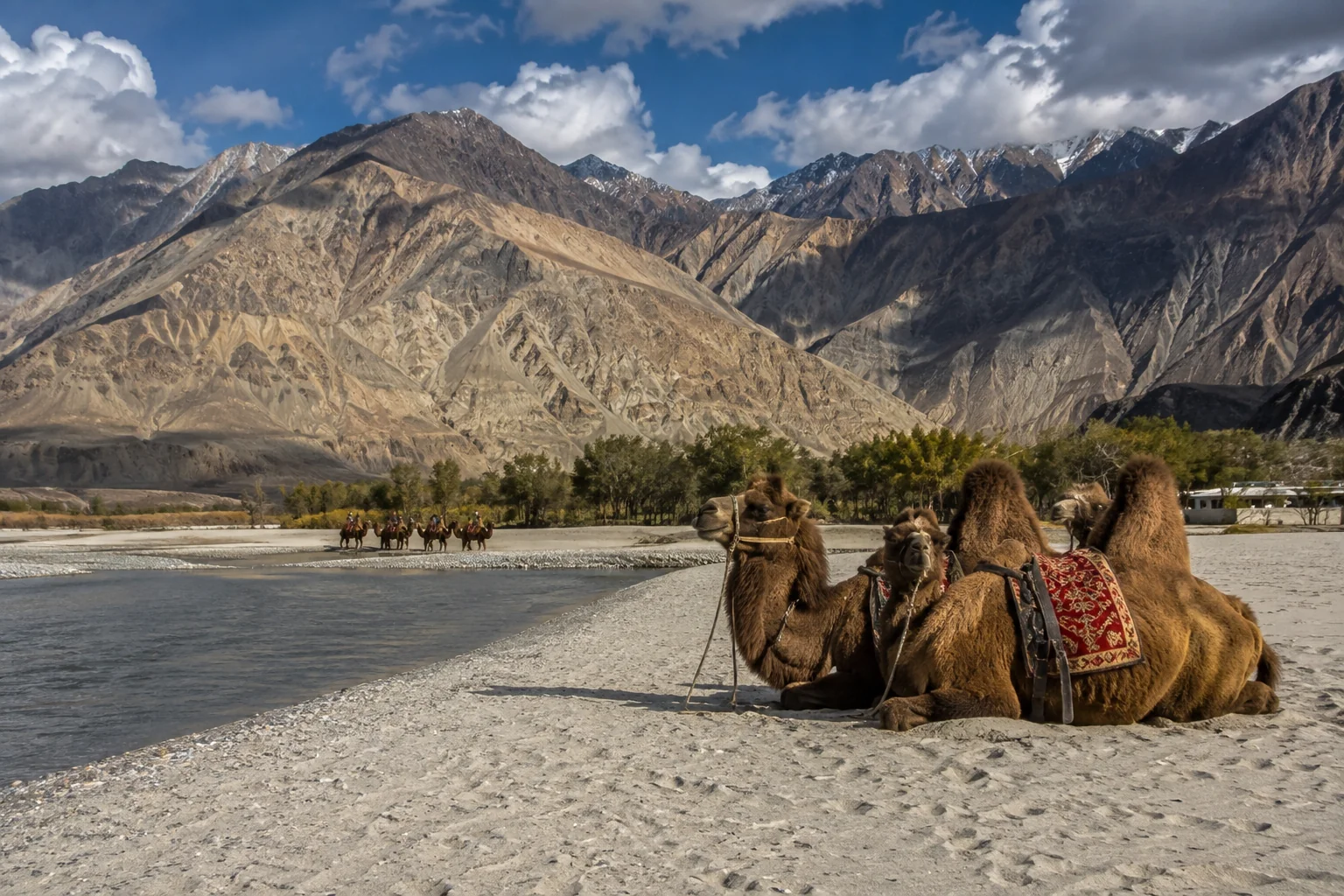
Over Khardung La and down into a broad valley where the Shyok and Nubra rivers meet, at a comparatively gentle 3,000 metres. Sand dunes at Hunder, double-humped Bactrian camels left over from Silk Route caravans, and green oases against bare rock.
Descending from the pass into Nubra is the best hour of driving in Ladakh.
Sleep lower: Nubra at 3,000m is lower than Leh, which makes it a good second night at altitude. Camel rides at Hunder run in the late afternoon; mornings are windy.
7.Diskit Monastery
The oldest and largest monastery in Nubra, founded in the 14th century, with a 32-metre Maitreya Buddha standing on the ridge below it facing towards Pakistan.
The statue was consecrated by the Dalai Lama in 2010 and is visible from most of the valley floor.
Where: 118 km from Leh via Khardung La, about 5 hours. Usually done on the way in or out of Hunder.
8.Turtuk
A Balti village on the Shyok, 205 km from Leh and only opened to visitors in 2010. It was part of Pakistan until 1971 and the culture, language and food are all Balti rather than Ladakhi.
Apricot orchards, stone irrigation channels, and the last village before the Line of Control.
Access: permit required, and the road follows the Shyok, which can wash out sections in summer melt. Add a night in Turtuk rather than attempting it as a day trip from Hunder.
9.Pangong Tso
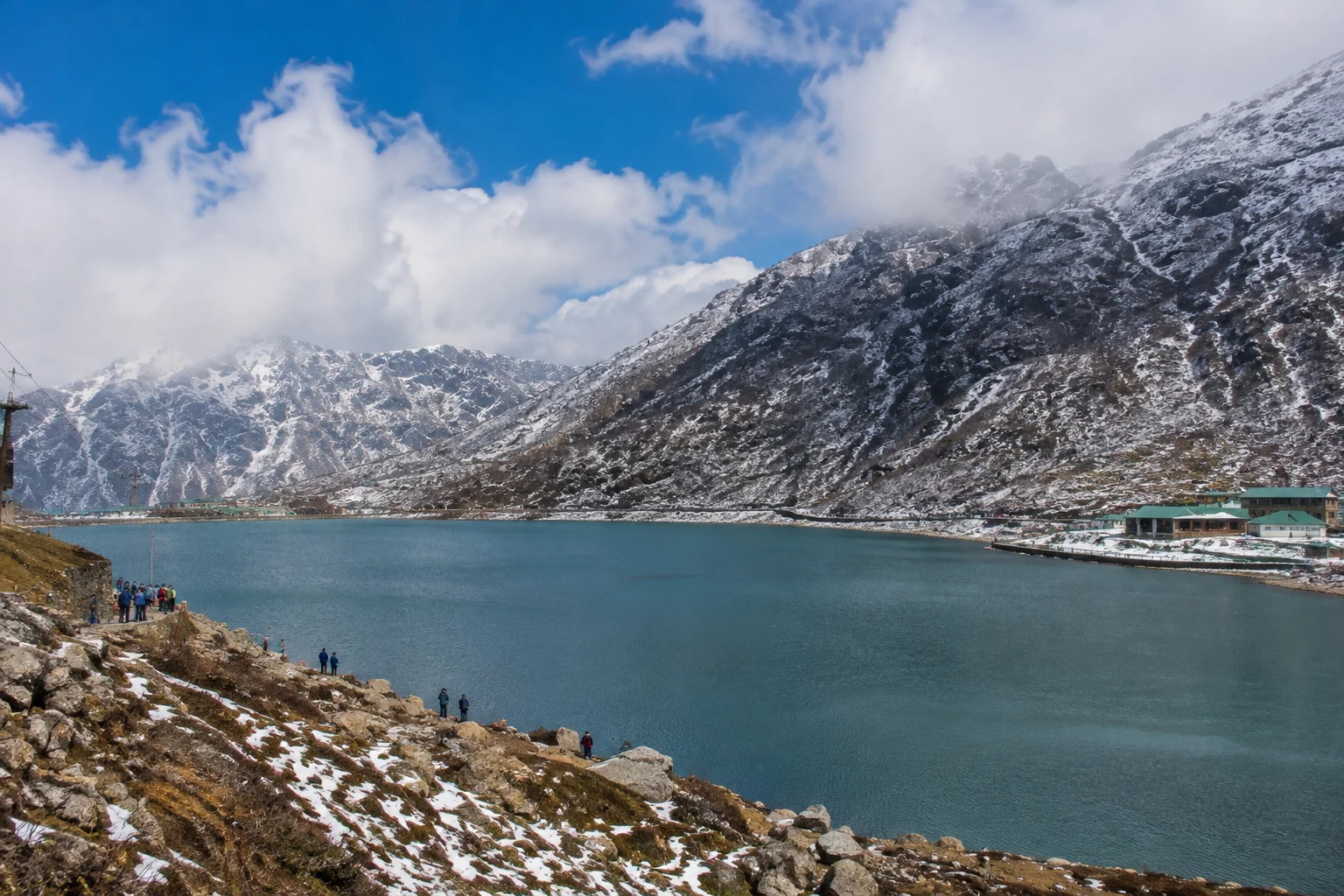
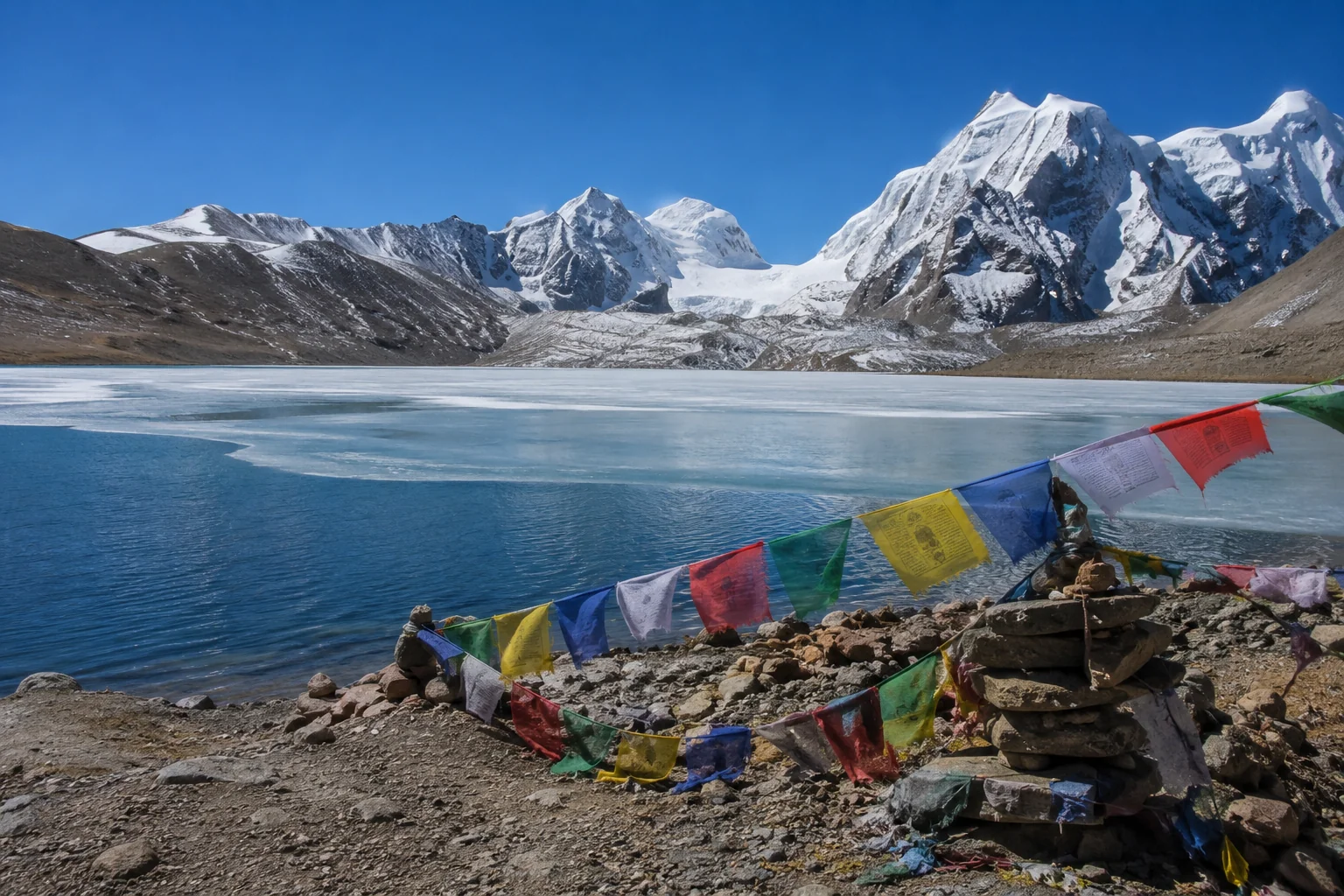
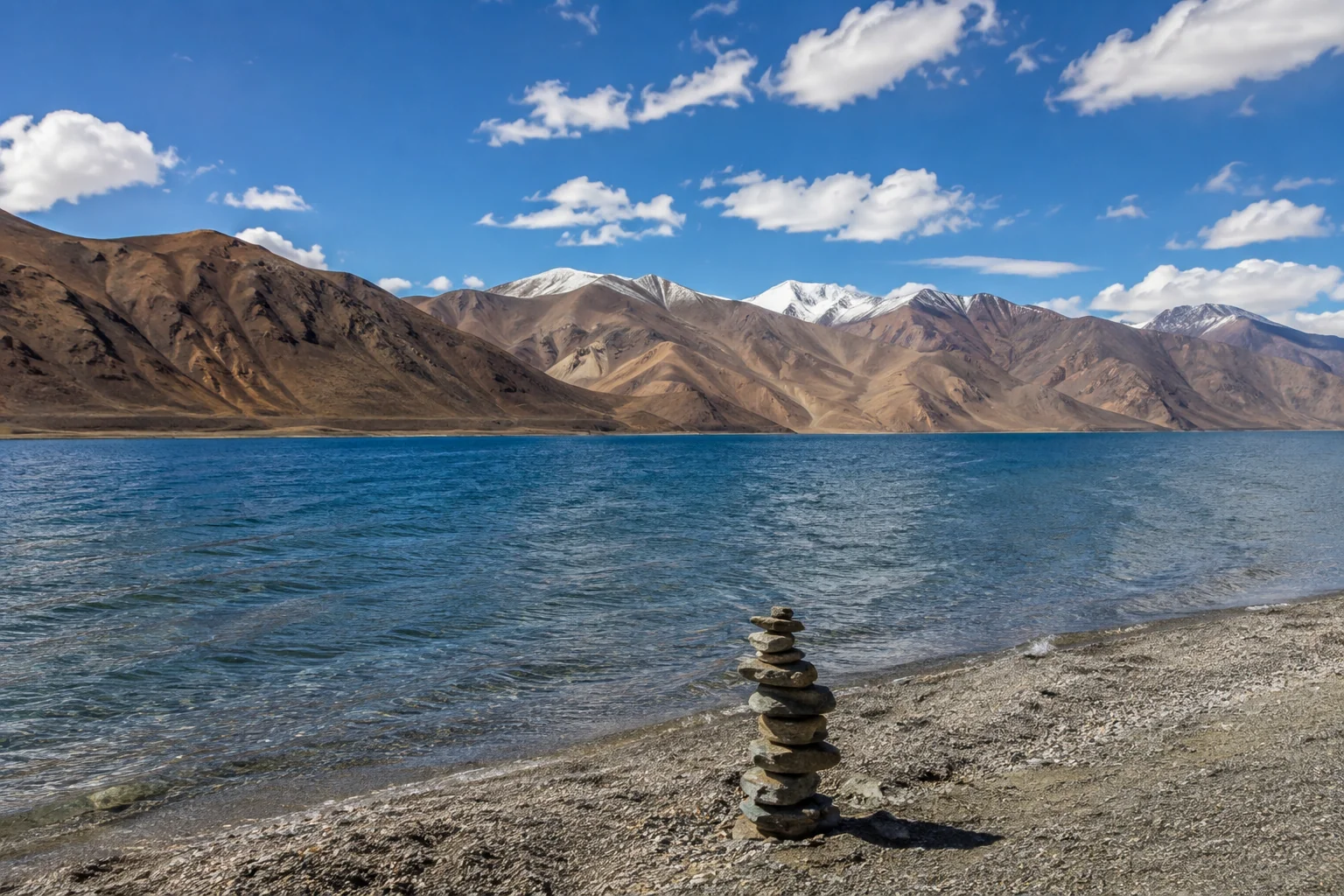
A 134 km lake at 4,350 metres, two-thirds of it in Chinese-controlled Tibet, and the colour changes through the day from near-black to a blue that looks digitally altered.
It is a long, rough drive over Chang La at 5,360 metres. Most people stay a night at Spangmik in a camp or homestay.
Pangong Lake best time to visit: May to September for open roads; the lake freezes solid from December to March. Nights at 4,350m are cold year-round. Permits required, and the road crosses Chang La, so do this after Nubra rather than before.
10.Tso Moriri
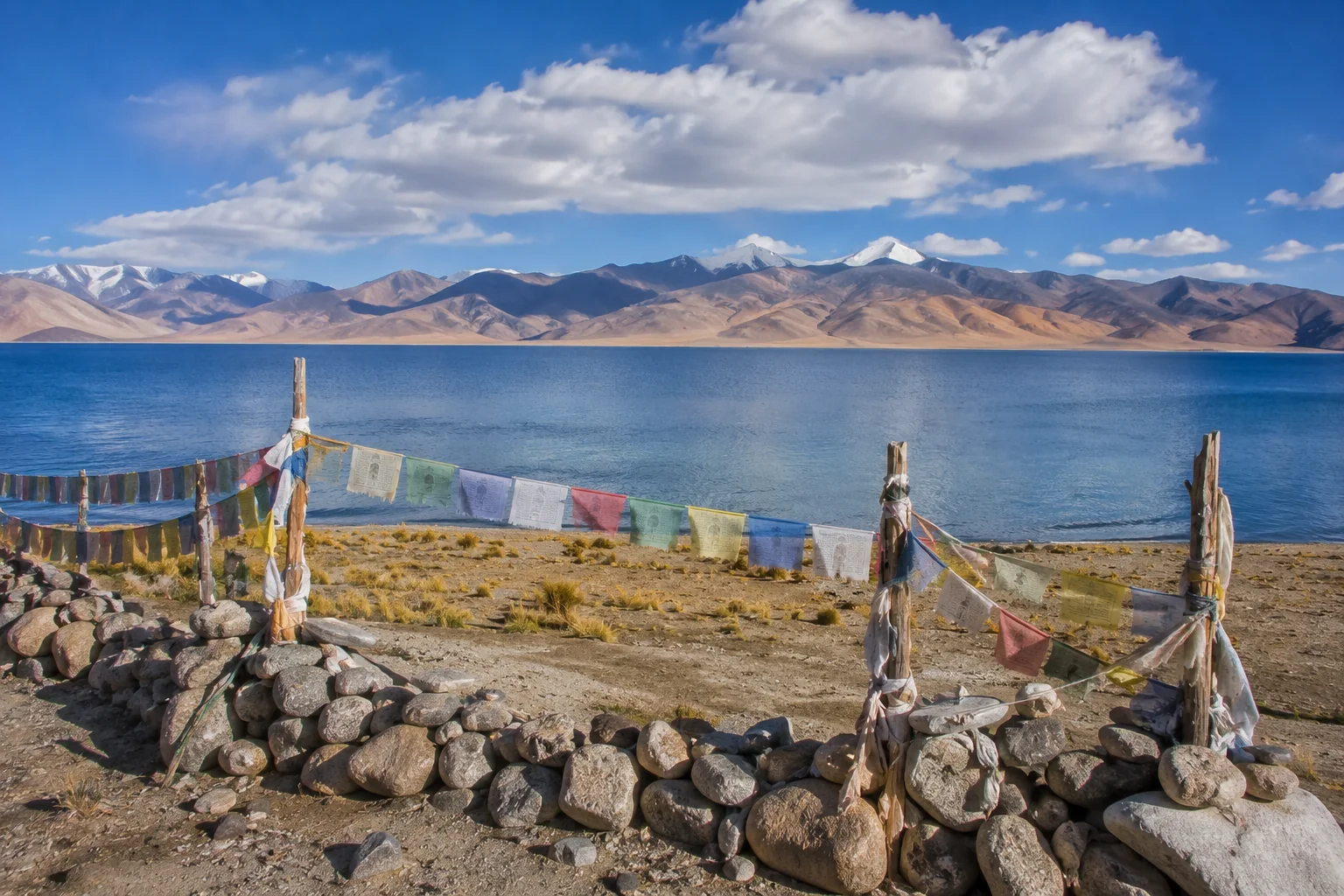
A higher, quieter lake at 4,522 metres in the Changthang plateau, with far fewer visitors than Pangong and a Ramsar wetland designation. Kiang, the Tibetan wild ass, graze the plain around it.
Korzok village on the shore is one of the highest permanently inhabited settlements anywhere.
Harder than Pangong: 4,522m with minimal facilities and unreliable power. Permits required. Best combined with Tso Kar on a longer Changthang loop rather than as a quick detour.
11.Magnetic Hill and the Sangam
Magnetic Hill is an optical illusion where the slope of the land makes a stationary vehicle appear to roll uphill. It is a five-minute stop and everyone does it.
Rather better is the Sangam a little further on, where the green Indus meets the muddy Zanskar and the two run side by side without mixing for a stretch.
On the way: both sit on the Leh–Kargil road within 35 km of Leh, along with Gurudwara Pathar Sahib and the Hall of Fame museum. One easy half-day.
12.Lamayuru
The oldest monastery in Ladakh, on the Kargil road, surrounded by eroded sedimentary formations that get called moonland and genuinely look like it.
It sits at 3,510 metres and makes the obvious halt on the drive between Leh and Kargil.
Route: 125 km from Leh, about 4 hours, crossing Fotu La at 4,108m. Essential if you are driving through to Srinagar rather than flying.
13.Zanskar and the Chadar trek
A remote valley south of Kargil, cut off by snow for months. In deep winter the frozen Zanskar river becomes a walking route, the Chadar trek, which is how the valley's people have travelled out for generations.
Warming winters have made the ice less reliable, and the trek is now regulated.
Chadar trek: mid-January to mid-February only, subject to ice conditions. Medical clearance and registration with the Ladakh administration are mandatory. Temperatures reach minus 30°C at night. Not a beginner's trek in any sense.
14.Srinagar and Dal Lake
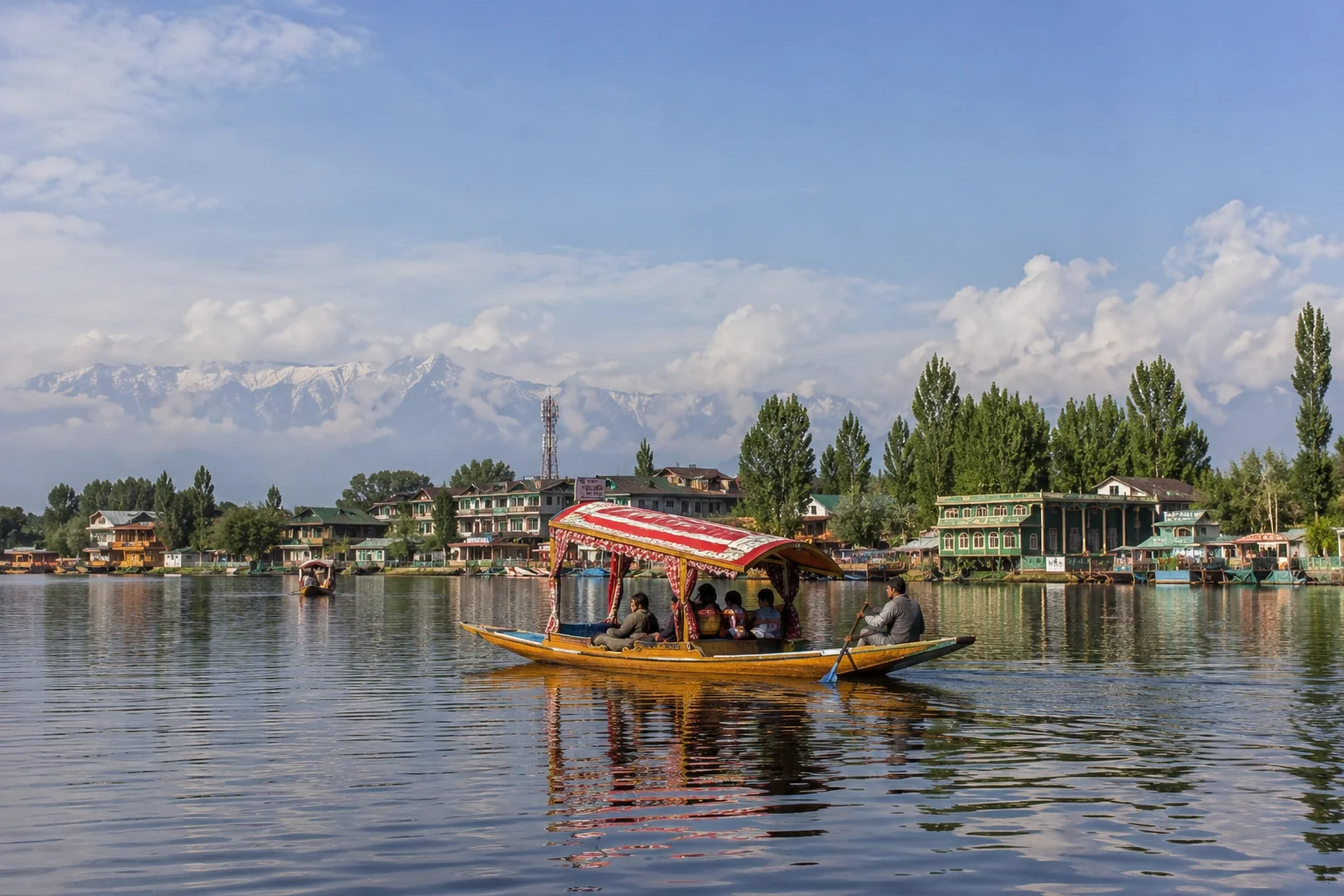
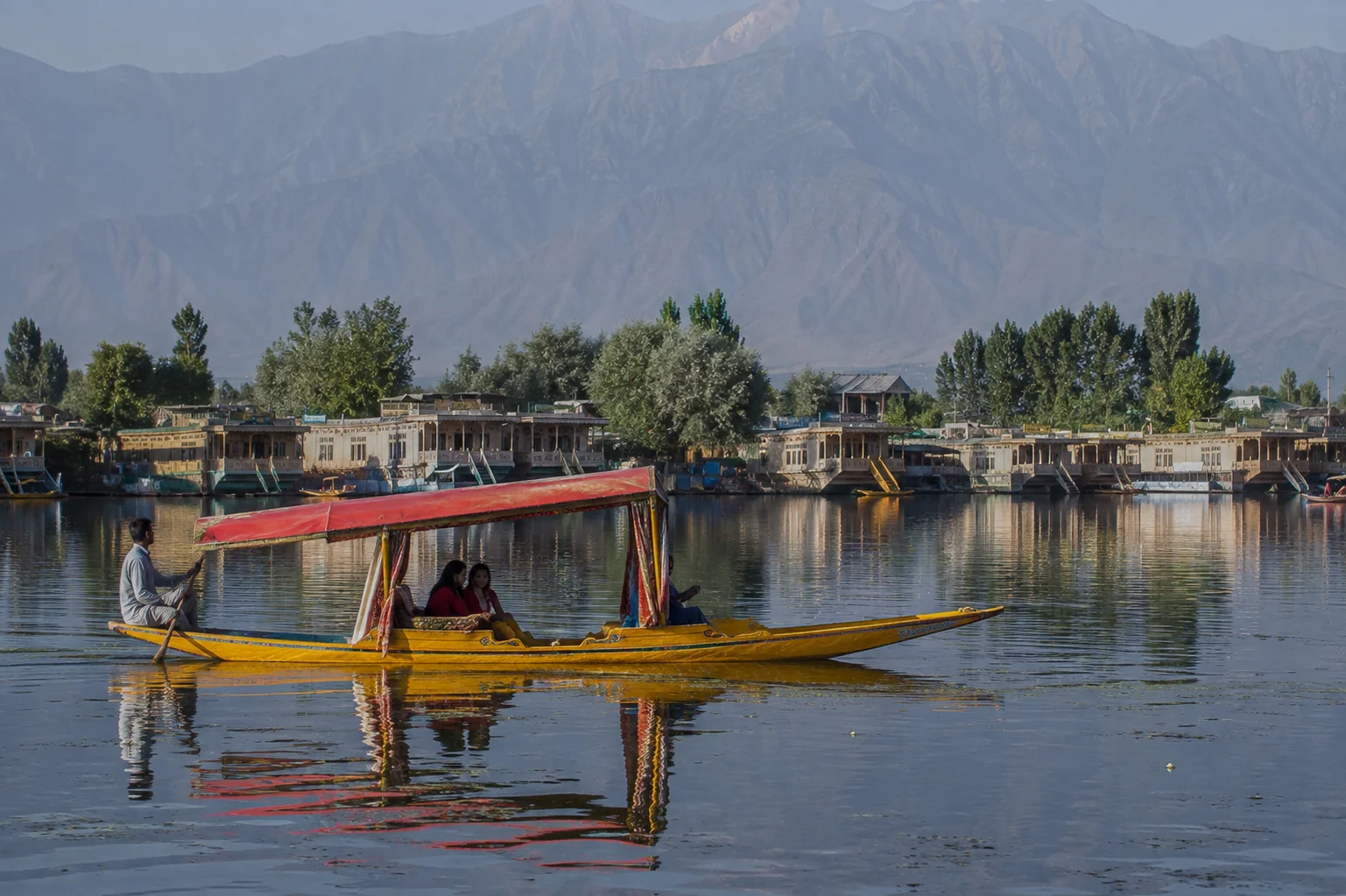
The Kashmiri capital at 1,585 metres, built around a lake that has been a working waterway for centuries. Houseboats along the shore date from the colonial period, when Kashmir forbade land purchase by outsiders and the British built on water instead.
A shikara at dawn, before the vendors are out, is the version of Dal Lake worth having.
Go at dawn: the floating vegetable market on the lake trades from around 5am and is finished by 7. Houseboat quality varies enormously; the category matters more here than at any hotel.
15.The Mughal Gardens
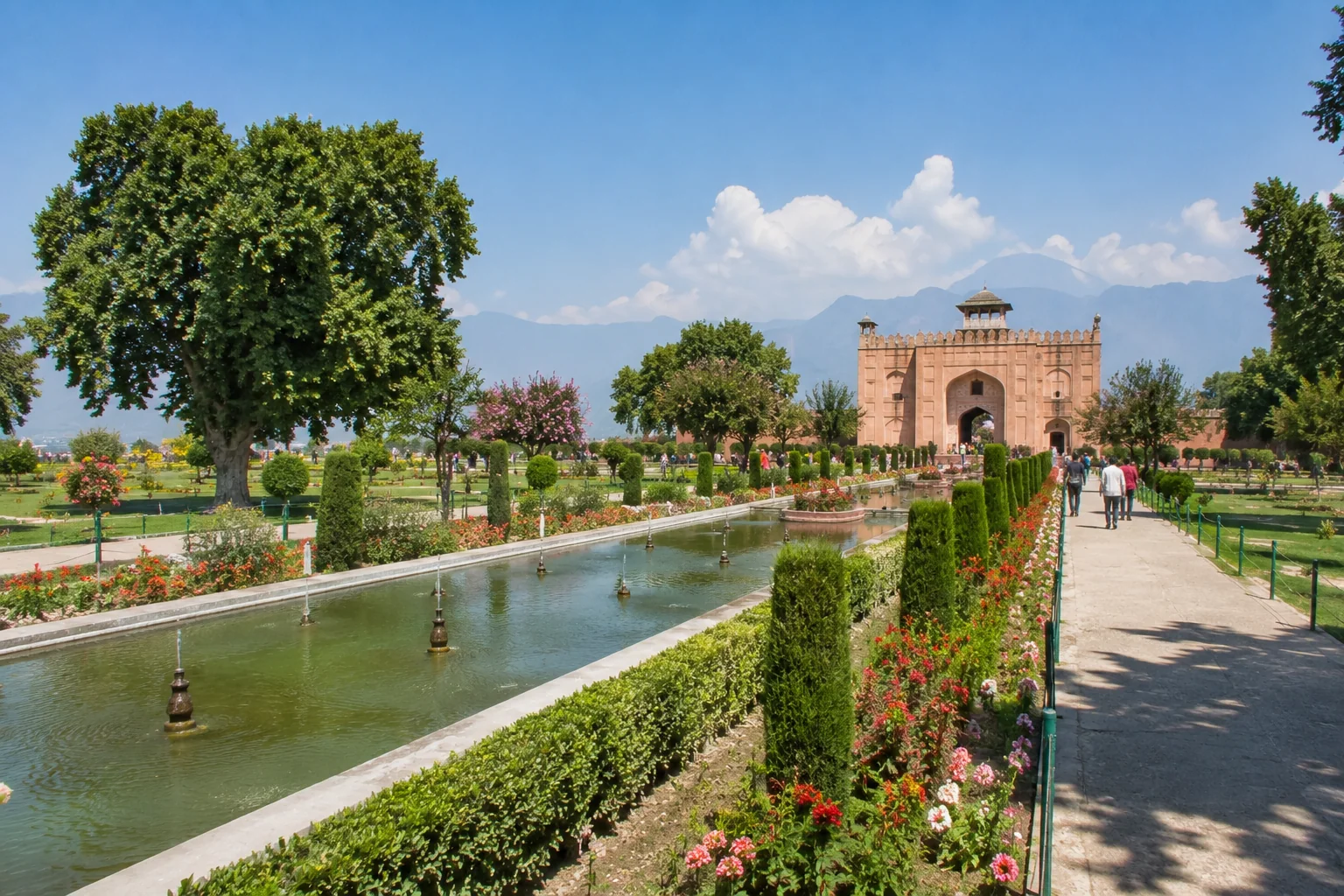
Shalimar Bagh, Nishat Bagh and Chashme Shahi, terraced above the lake in the 17th century by Jahangir and Shah Jahan, built around water channels running down the slope.
Nishat has the best view across Dal to the Pir Panjal. April and May, with the tulips and the chinar in new leaf, is when they earn the reputation.
Tulip season: the Indira Gandhi Memorial Tulip Garden opens for roughly three weeks from late March or early April. Dates shift with the winter and are announced only a week or two ahead.
16.Gulmarg
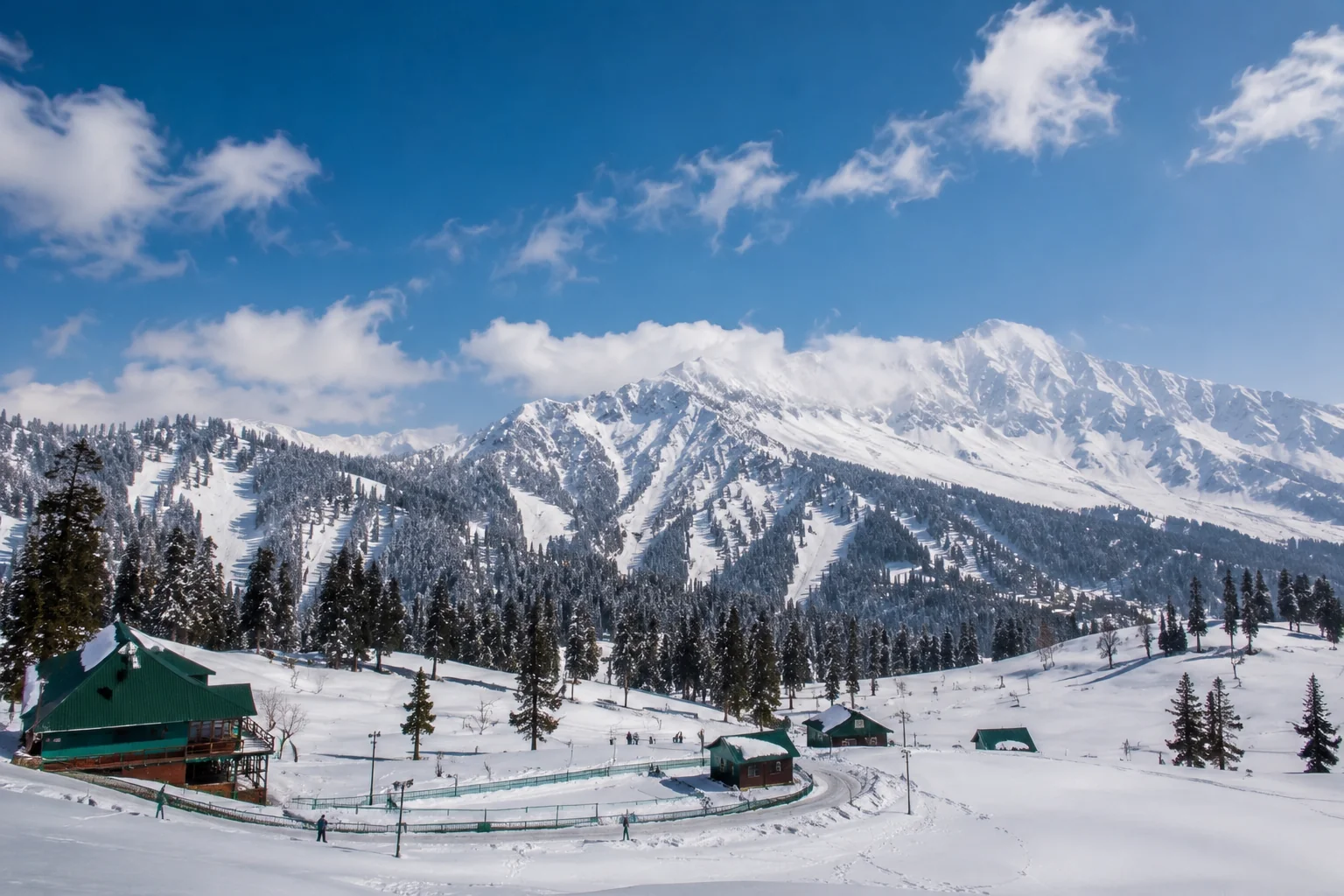
A meadow at 2,650 metres that becomes the best-known ski resort in India each winter. The Gulmarg Gondola runs to 3,979 metres at Apharwat, one of the highest cable cars in the world.
In summer the same meadow is a golf course and a base for short walks to Khilanmarg.
Gondola: two phases, and the second to Apharwat is weather-dependent and often shut in high wind. Tickets sell out in peak season; book online in advance rather than queueing.
17.Pahalgam
A valley town at 2,200 metres where the Lidder river comes down from the Kolahoi glacier. Betaab Valley, Aru and Chandanwari are the three side valleys everyone visits, each reached by local taxi from the town.
It is also the starting point for the Amarnath Yatra, which fills the town completely for several weeks each summer.
Local taxi union: private vehicles cannot enter the side valleys at Pahalgam; you must switch to a union taxi at the stand. Rates are fixed and posted. Budget for it rather than arguing about it.
18.Sonamarg
The meadow of gold at 2,730 metres, on the road towards Ladakh, and the closest point to the Thajiwas glacier. Ponies and sledges run the last stretch to the ice.
It is the last Kashmiri stop before Zoji La, so it doubles as the natural overnight if you are driving through to Kargil and Leh.
Zoji La: the pass beyond Sonamarg closes with snow from roughly December to April, cutting the road link to Ladakh. Sonamarg itself is largely shut in deep winter.
19.Doodhpathri and Yusmarg
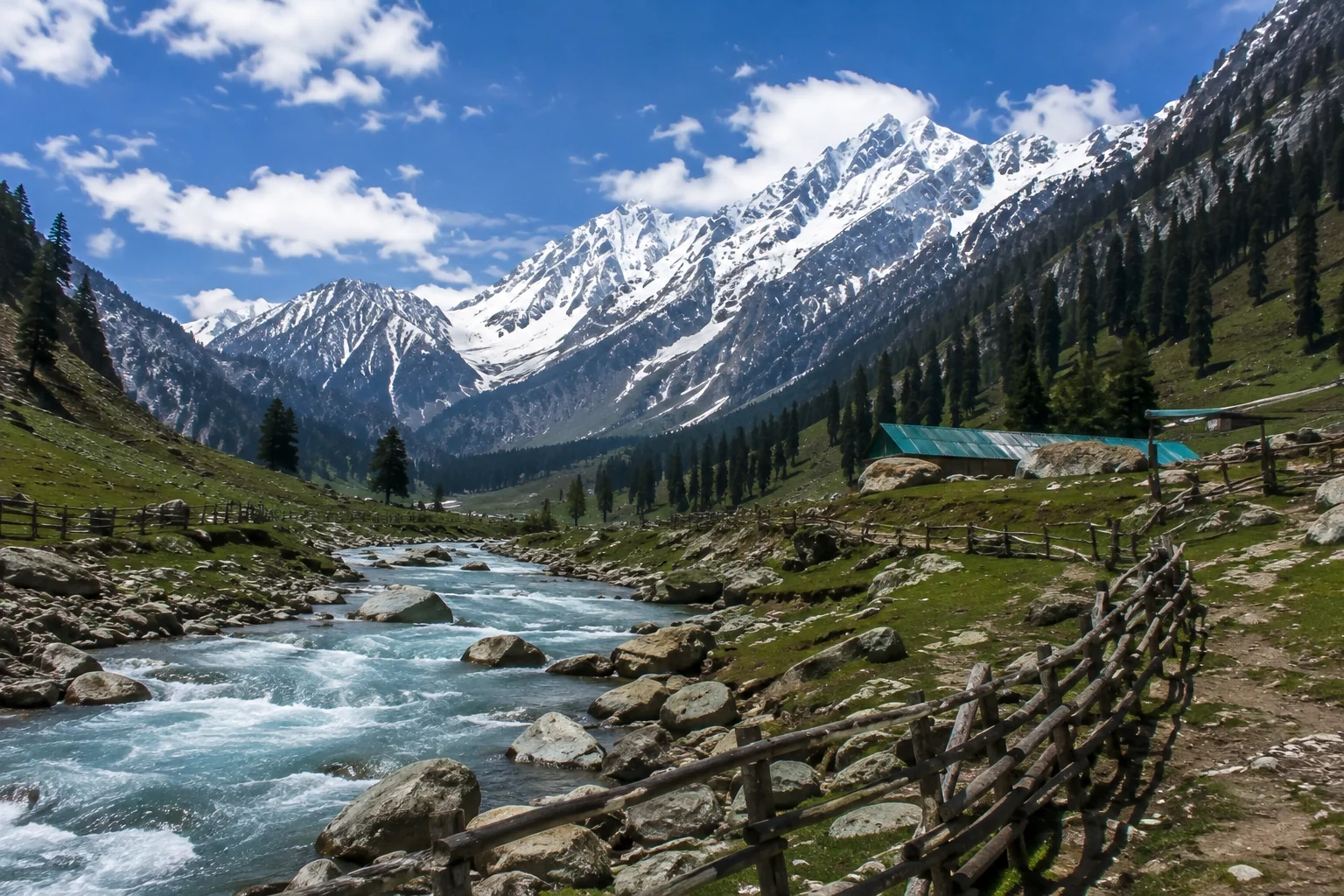
Two meadows southwest of Srinagar that receive a fraction of Gulmarg's visitors. Doodhpathri, the valley of milk, is named for the white water running over its rock beds.
Both are day trips from Srinagar and both are what people imagine Kashmir looks like before they arrive and find Gulmarg's car parks.
Day trips: Doodhpathri is about 42 km from Srinagar, Yusmarg about 47 km. Neither has significant accommodation, so plan to return the same day.
20.Dachigam National Park
Twenty-two kilometres from Srinagar, and the last refuge of the hangul, the Kashmir stag, of which only a few hundred survive.
The lower park is accessible year-round; the upper reaches need permission and are where the deer move in summer.
Permits: entry is controlled by the J&K Wildlife Protection Department and must be arranged in advance. Best sightings are September to December, when the hangul descend to the lower park for the rut.
Best time to visit Ladakh and Kashmir
Kashmir and Ladakh have almost opposite seasons. Kashmir works nearly year-round; Ladakh has a window, and outside it the roads simply are not there.
| Months | What it is like | Verdict |
|---|---|---|
| April – May | Kashmir at its best: tulips, blossom, green meadows. Ladakh roads still opening; Zoji La may be shut. | Best for Kashmir |
| June – September | The Ladakh season. All passes open, Pangong and Nubra accessible. Kashmir warm and busy. | Best for Ladakh |
| October – November | Chinar turning in Kashmir, clear and cold in Ladakh, high roads beginning to close. | Good, narrowing |
| December – March | Gulmarg skiing, Srinagar snowbound and beautiful. Ladakh reachable only by air; Pangong frozen; Chadar trek season. | Kashmir yes, Ladakh limited |
How to get to Ladakh and Kashmir
Two airports, one road between them, and that road is shut for a third of the year.
By air. Leh and Srinagar both have airports with direct flights from Delhi. Flying into Leh drops you at 3,500 metres in an hour and a half, which is exactly why the two-night acclimatisation rule matters.
By road. Srinagar to Leh runs 420 km over Zoji La and Fotu La, taking two days with a night at Kargil, and is open roughly May to November. The Manali–Leh road crosses even higher passes and opens later, usually June to October.
The sensible order. Srinagar first at 1,585 metres, then drive up through Kargil to Leh. You acclimatise as you climb instead of arriving at altitude cold.
Ladakh and Kashmir travel questions, answered
Official sources
Permit rules, fees and seasonal closures change. These are the government pages we check against, and the ones to confirm your own dates with before you travel.
- District Administration Leh, Union Territory of Ladakh — Inner Line Permit rules, protected area lists and road status notices
- J&K Tourism Development Corporation — Gulmarg gondola, accommodation and tulip garden opening dates
- Ministry of Tourism, Government of India — general destination information and registered operator listings