Discover Jaldapara National Park
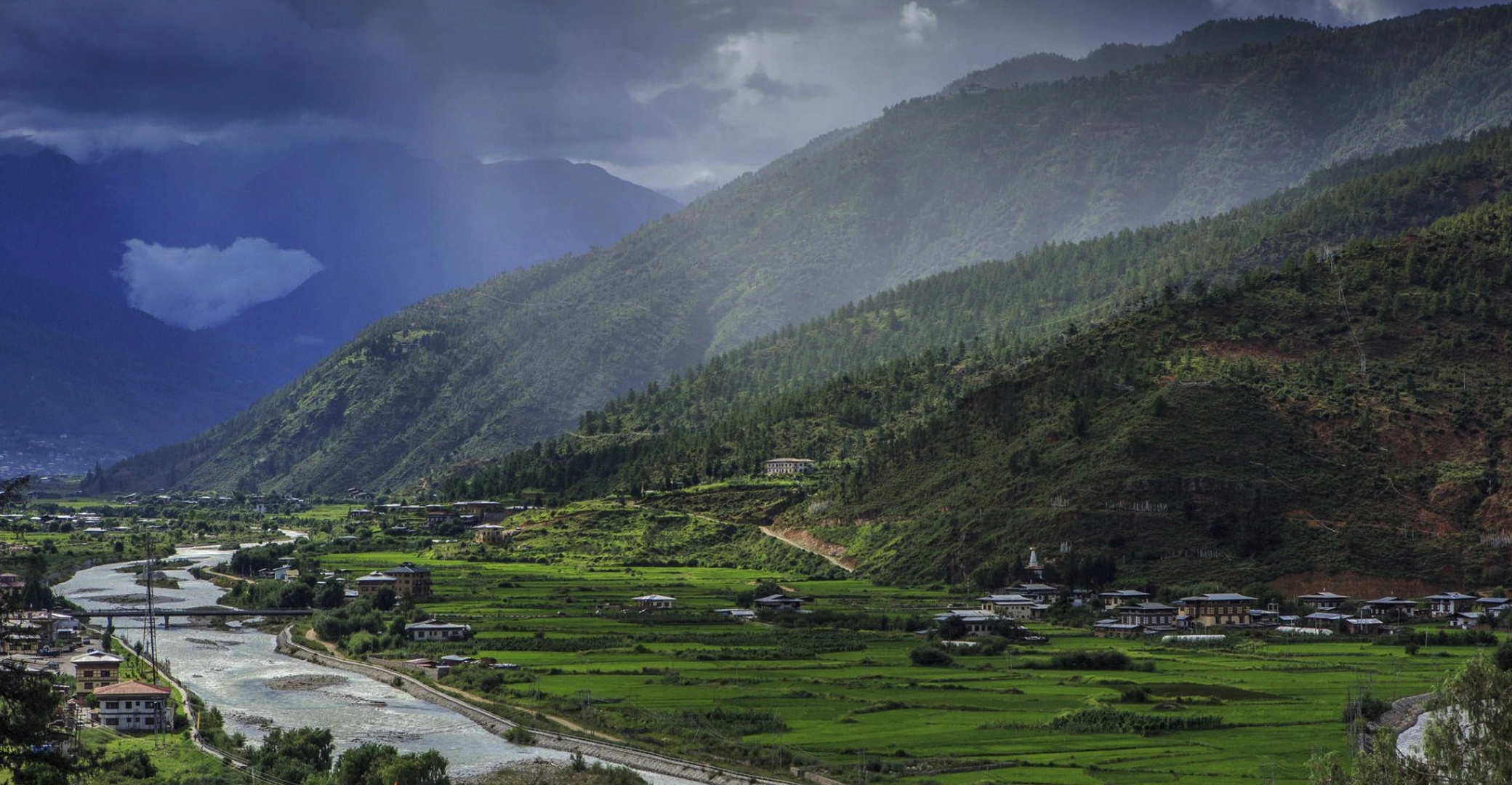
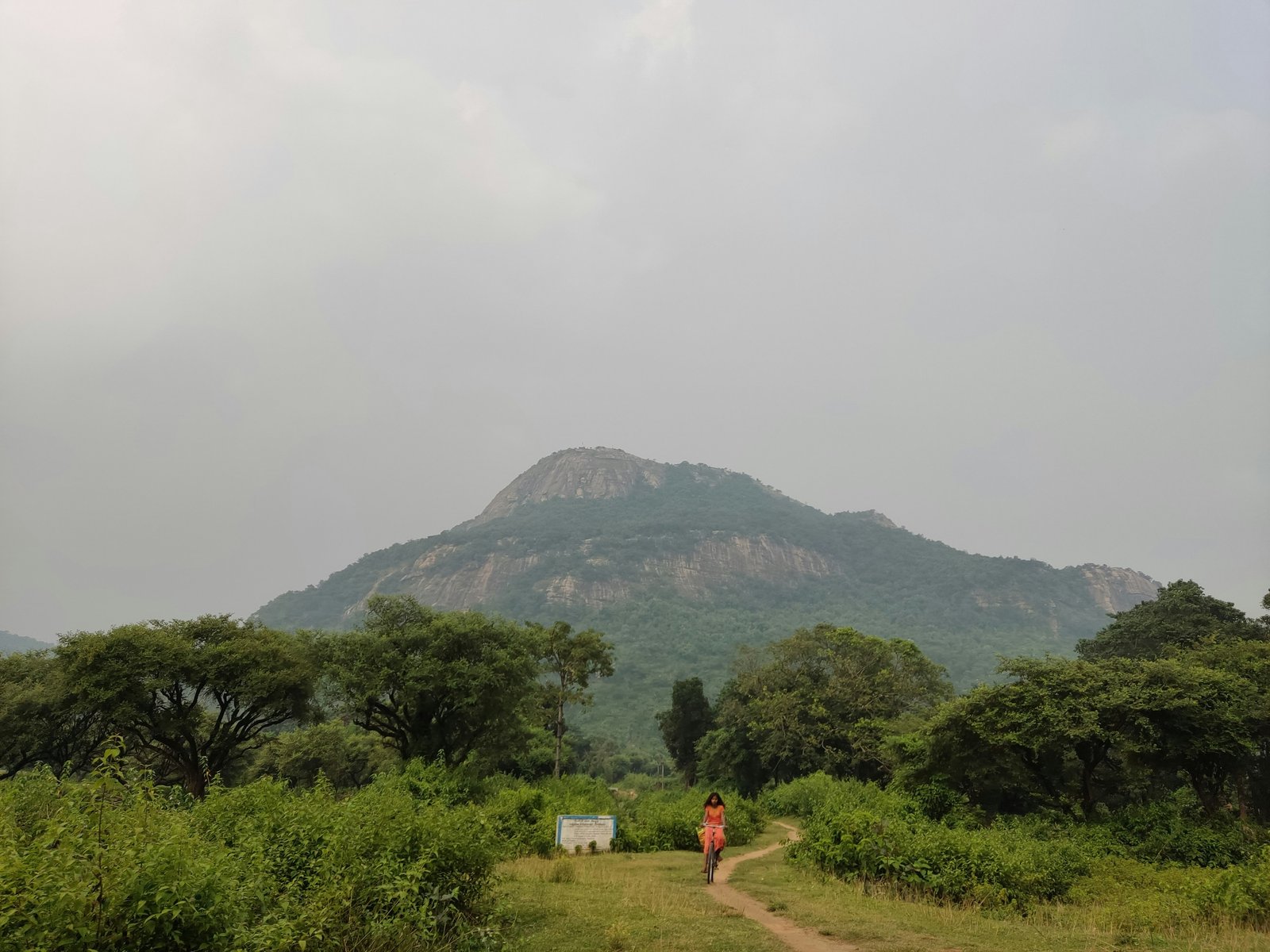
Nestled at the foothills of the Eastern Himalayas in West Bengal’s Alipurduar district, Jaldapara National Park is a breathtaking expanse of riverine forests and vast grasslands. Established as a sanctuary in 1941, the park now spans 216.51 sq. km along the banks of the Torsa River.
Jaldapara is renowned for its incredible biodiversity. Its landscape is a rich mosaic of tall elephant grasses, perennial streams, and sandy riverbanks. This unique ecosystem serves as a vital refuge for a wide variety of wildlife, including:
- Mammals: The famous One-horned Rhinoceros, and rare species like the Hispid Hare and Hog-badger.
- Avifauna: A paradise for birdwatchers with numerous forest and riverine species.
- Flora: A diverse mix of deciduous forests and lush grasslands.
How to Reach
Jaldapara is well-connected by air, rail, and road, making it accessible from all major Indian cities.
- Accommodation & Stay
Visitors have several comfortable options for staying close to the wilderness:
- Forest Bungalows: Located approximately 2.5 km from the main entrance, these offer an authentic jungle experience.
- Hotels & Holiday Homes: Numerous private hotels are situated just outside the sanctuary boundaries in Madarihat, providing easy access to safaris and park activities.
- Proximity: Most accommodations are strategically placed so guests can enjoy the sights and sounds of the jungle right from their doorstep.
Unknown Facts One must Know while Travelling at Jaldapara National Park
- Entry Fees: As per historical records (2007–08), entry fees were ₹25 for Indian and Nepali nationals, ₹50 for light vehicles, ₹200 for heavy vehicles, ₹5 for still cameras, and ₹250 for video cameras.
- Elephant Safari Experience: Thrilling early morning safaris are organized from Hollong, offering the best chance to spot one-horned rhinos, Asiatic elephants, Gaur, and deer in the vast grasslands.
- Elephant Safari Pricing: As of January 2014, the fee for an elephant safari was set at ₹600 per person.
- Alternative Safari Points: If tickets are unavailable at Hollong, tourists can now book elephant safaris through the WBFDC Barodabari Malangi Lodge.
- Jeep Safaris: Jeep safaris are a major attraction and can be hired from Madarihat, the Jaldapara Tourist Lodge, or the Kodalbasti point near the Chilapata range.
- Jeep Safari Pricing: Private jeep safaris (e.g., Amar Nath Das) cost approximately ₹1,510 for a group of up to six people.
- Wildlife Diversity: The park is a premier destination for observing one-horned rhinoceroses, elephants, Gaurs, various deer species, and a wide variety of birds.
- Fire Safety: To prevent forest fires, visitors are strictly prohibited from lighting fires or discarding matches and cigarettes.
- Littering: Help keep the forest clean by not disposing of plastics, paper, or cellophane within the park boundaries.
- Prohibited Items: Carrying firearms or explosives is strictly illegal, and pets are not allowed inside the sanctuary.
- Conduct & Sobriety: Tourists are expected to remain sober; the consumption of alcohol within the sanctuary is prohibited.
- Authorized Routes: Visitors must stay on designated roads and paths at all times while inside the forest.
- Animal Welfare: Do not tease or disturb wild animals; observe nature quietly and from a respectful distance.
- Picnics: Picnicking is only allowed in specifically designated areas; unauthorized spots are strictly off-limits.
- Driving Regulations: Vehicles must be driven slowly within the park, with a maximum permissible speed of 20 km/h.
- Environmental Protection: Hunting, fishing, and the collection or destruction of any forest produce or wildlife are strictly prohibited.
- Totopara Village: Located on the banks of the Torsa River near the Bhutan border, this village is the unique home of the primitive Toto tribe.
- Buxa Duar Fort: Situated at 867m in the Sinchula Range, this historic fort once guarded the pass into Bhutan and served as a detention camp for freedom fighters during British rule.
- Jayanti: A scenic spot on the banks of the Jayanti River, famous for its beautiful views of the Bhutan hills and popular as a designated picnic area.